
Discover the unparalleled quality and exceptional customer satisfaction that sets We Clean Homes apart on its journey to becoming the premier home cleaning service in the UK. Request a quote today and experience the difference Michael Shaw, the visionary founder and managing director, is making in redefining industry standards.
How Often Should You Sweep and Mop?
Michael Shaw • March 21, 2023
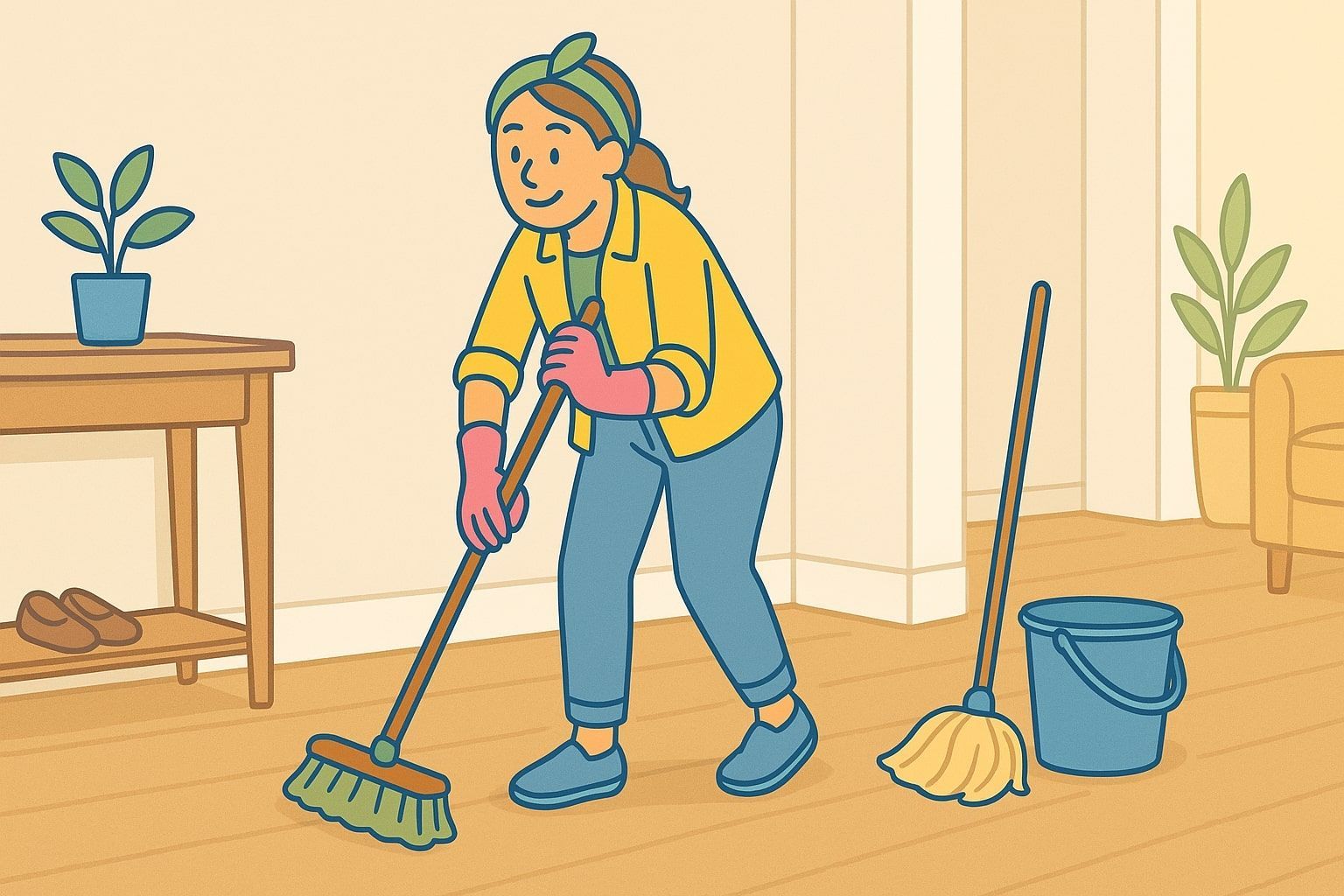
Maintaining clean floors is one of the simplest ways to keep your home feeling healthy, welcoming, and organised. A tidy floor instantly lifts the look of a room, reduces allergens, and prevents the slow build-up of grime that becomes harder to remove over time. Many households focus on tidy surfaces and bathrooms first, although consistent floor care quietly does the heavy lifting. Regular sweeping and mopping protect your flooring, extend its lifespan, and support a calmer home environment.
Homeowners often ask how often they should tend to their floors, how frequently they should mop, and how to create a routine that feels realistic rather than overwhelming. The truth is that the ideal schedule varies. It depends on flooring type, lifestyle, household habits, and personal priorities. Understanding these factors makes it easier to create a practical, structured approach to floor care that fits into your weekly routine.
This guide breaks everything down clearly so you can develop a simple method that works for your home, with checklists, step-by-step advice, and practical tips.
Key Factors That Influence How Often You Should Sweep and Mop
Cleaning frequency is never the same for every home. Several variables influence how quickly dirt accumulates. Considering these early helps you decide what your own schedule should look like.
1. Type of Flooring
Each surface behaves differently:
- Hardwood collects dust quickly and benefits from gentle, regular sweeping.
- Tiles cope better with moisture but reveal grime in grout lines sooner.
- Laminate needs careful cleaning to avoid water damage.
- Vinyl tends to be low-maintenance, although marks show easily.
- Carpeted areas trap debris, which then transfers onto nearby hard floors.
Understanding how your flooring behaves ensures you match your routine to the material. This links closely to how often general cleaning is recommended across a typical home, since floors often dictate the overall rhythm.
2. Household Size and Foot Traffic
A studio flat lived in by one person will not gather as much daily dirt as a family home with children. More people mean:
- More movement
- More crumbs
- More mud and outdoor debris
- More spills and accidents
High-traffic rooms such as kitchens, hallways, and living rooms always need more frequent attention.
3. Pets
Pets multiply cleaning needs almost instantly. Muddy paws, hair, dander, and little accidents all make sweeping and mopping more frequent. Even well-trained animals bring in outdoor debris that spreads quickly.
4. Lifestyle and Habits
Small habits influence cleaning needs more than people realise:
- Do you allow shoes indoors?
- Do you cook often?
- Do you eat snacks outside the kitchen?
- Do you open windows frequently, allowing outdoor dust to flow in?
These simple lifestyle choices can shape your routine dramatically.
How Often Should You Sweep?
Sweeping forms the backbone of floor care. It reduces scratches, stops dirt from settling, and keeps surfaces hygienic.
General Guidelines
Most households benefit from sweeping at least once a week. Homes with children, pets, or busy lifestyles often need to sweep several times weekly. High-traffic areas sometimes need daily attention, especially during winter when rain and mud are common.
Indicators That You Need to Sweep More Often
Consider sweeping more frequently if:
- You see dust collecting around skirting boards
- Your floors feel gritty underfoot
- You notice pet hair building up
- Dirt accumulates quickly in corners or under furniture
- Outdoor debris gathers at entryways
Simple consistency prevents dust and grit from scratching delicate surfaces such as hardwood.
Checklist: Daily and Weekly Sweeping Routine
Daily (if needed):
- Quick sweep of entryways
- Tidy up visible crumbs in the kitchen
- Remove pet hair from favourite lounging spots
Weekly:
- Thorough sweep of all hard floors
- Move rugs, small furniture, and bins
- Sweep under tables and sofas
- Collect all debris before mopping
How Often Should You Mop?
Mopping provides deeper cleaning that removes sticky marks, spills, and ingrained dirt. It improves hygiene and keeps floors fresh.
Recommended Mopping Frequency
Although preferences differ, a useful guide is:
- Hardwood: Every two to four weeks
- Laminate: Every two to three weeks
- Tile and vinyl: Every one to two weeks
- High-traffic rooms: Weekly
- Pet-friendly homes: Weekly or more
Mopping schedules often depend on the time required for whole-house cleaning. Large homes naturally need more planning, while smaller spaces can manage shorter, more frequent mops without much strain.
When You Should Mop More Often
Increase your mopping routine if:
- Food or drink spills occur frequently
- Sticky residues appear in the kitchen
- Grout lines start to darken
- Floors lose their shine
- You feel dust or residue on bare feet
Checklist: Preparing and Carrying Out a Mop
Before you start:
- Sweep or vacuum thoroughly
- Move light furniture and rugs
- Prepare the correct cleaner for your floor type
- Use clean mop heads
During the mop:
- Start in a far corner and work toward the exit
- Use smooth, overlapping strokes
- Rinse mop heads regularly
- Change water when it becomes cloudy
Aftercare:
- Allow floors to dry fully
- Open windows to help ventilation
- Replace furniture once surfaces are dry
Helpful Tips for Keeping Floors Cleaner for Longer
Staying ahead of dirt reduces how often you need to clean. These simple approaches make a real difference over time.
1. Use Quality Doormats
Place mats both outside and inside entrances. This captures dirt before it spreads through your home.
2. Encourage No-Shoe House Rules
Shoes track in mud, germs, and tiny stones that mark floors. A simple shoe rack near the door helps keep this consistent.
3. Vacuum Hard Floors Regularly
Many vacuums include hard-floor attachments designed to lift dust without scratching. Vacuuming can reduce the time needed for domestic cleans by tackling deeper residue that sweeping may miss.
4. Protect High-Wear Areas
Use runners in hallways, washable mats in kitchens, and furniture pads under heavy items. These reduce wear and prevent marks.
5. Address Spills Immediately
Quick action prevents stains and reduces the need for heavy-duty scrubbing later.
6. Keep Cleaning Supplies Accessible
Storing a broom, dustpan, or handheld vacuum in easy-reach areas encourages spontaneous tidying, which keeps bigger cleaning sessions shorter.
Example Weekly Floor-Care Schedule
Here is a simple structure many households find manageable:
Monday:
- Quick sweep of kitchen and hallway
Wednesday:
- Full sweep of all hard floors
Friday:
- Mop kitchen and bathroom
- Spot mop any visible marks elsewhere
Weekend:
- Optional deeper mop or targeted clean
- Refresh doormats
- Vacuum rugs
This keeps your home fresh without demanding long cleaning sessions.
Final Thoughts
Clean floors influence your home far more than most people expect. Freshly swept and mopped surfaces make your living space feel calmer, more organised, and more hygienic. There is no single perfect routine that suits every household, although evaluating your flooring type, foot traffic, pets, and daily habits gives you a strong starting point.
A consistent approach to sweeping prevents dirt from settling, while thoughtful mopping keeps grime and stains under control. Simple habits, like using doormats and dealing with spills promptly, help maintain cleanliness with minimal effort. Once you find a practical rhythm that fits your lifestyle, floor care becomes a straightforward part of maintaining a comfortable, healthy home.
Author

Learn which tasks cleaners don’t typically do, why these limits exist, and how clear expectations help create a smoother, more stress-free cleaning experience.
Discover the key differences between end of tenancy cleaning and deep cleaning. Learn what each includes, when to book them, and how to choose the right service.
Unsure between a spring clean or a deep clean? This guide explains what each service includes, when they’re needed, and how to pick the best option for your home.
Discover what a professional deep clean includes with this UK-focused checklist. Room-by-room tasks, optional extras, and tips to prepare your home.
A simple UK guide explaining what a one-off clean includes, how it differs from regular cleaning, and when to book one for a quick home refresh.
Discover what a standard clean includes with this clear room-by-room guide. Learn typical tasks, what’s not included, and how standard cleaning works in UK homes.