
Discover the unparalleled quality and exceptional customer satisfaction that sets We Clean Homes apart on its journey to becoming the premier home cleaning service in the UK. Request a quote today and experience the difference Michael Shaw, the visionary founder and managing director, is making in redefining industry standards.
How Long Does It Really Take to Clean a House? Homeowner vs Professional Timing Explained
Michael Shaw • March 7, 2023
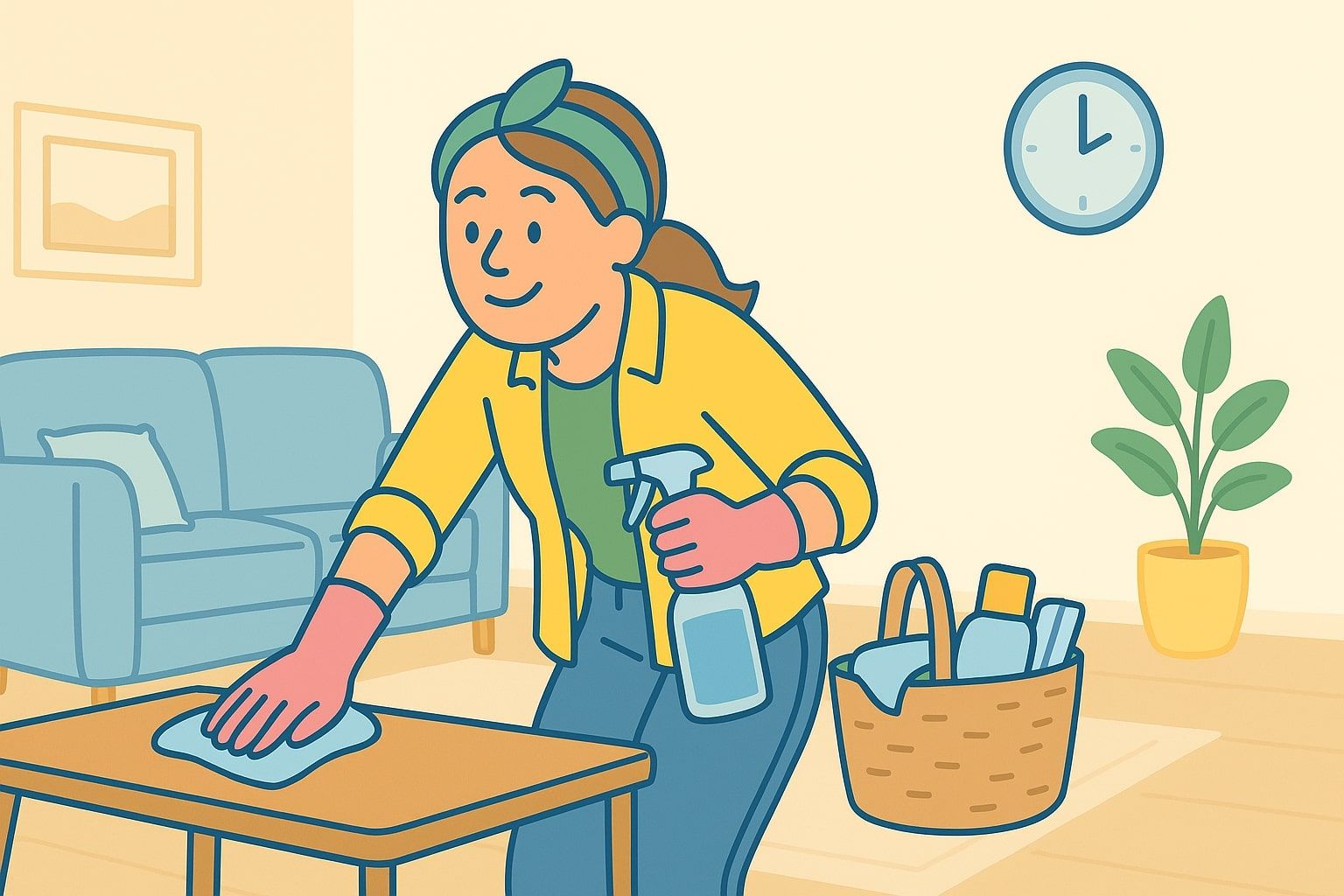
Cleaning a home is something nearly everyone values, yet the amount of time it should take varies enormously depending on who is doing the work and how the home is maintained between sessions. Many homeowners spend far longer than necessary, often because they approach cleaning reactively rather than with a routine. Professional cleaners, by contrast, work methodically, use refined techniques, and complete tasks with greater speed and consistency.
Understanding how long cleaning truly takes—both for the average homeowner and for a trained professional—helps you set realistic expectations, plan your week, and avoid the cycle of stress, rushed tidying, and constant catch-up.
This guide breaks down the key elements that shape cleaning times, shows how professionals approach the same tasks differently, and provides structured checklists and practical tips to help streamline your own routine.
Why Homeowners Take Longer Than Professional Cleaners
Before getting into timing, it helps to understand why the gap exists.
A typical homeowner may:
- Clean around clutter rather than move it first
- Get distracted mid-task
- Lack commercial-grade tools or products
- Clean reactively instead of maintaining a schedule
- Approach tasks in an inefficient order
A professional cleaner typically:
- Works in a set sequence to avoid backtracking
- Brings efficient, purpose-built tools
- Uses products that speed up stain and limescale removal
- Cleans full homes daily, developing muscle memory
- Avoids distractions and sticks to a routine with timed segments
As a result, what might take a homeowner two to three hours could take a cleaner 60–90 minutes.
Understanding these differences gives useful context as we explore the main factors influencing total cleaning time.
Key Factors That Influence Cleaning Time
Every home is different—and two properties of identical size can still take dramatically different amounts of time to clean. These are the major variables.
1. Size of the Home
The total square footage of a property plays a major role. A studio flat without much furniture might take a homeowner just over an hour to clean thoroughly, whereas a three-bed semi-detached property could require several hours.
Professionals, however, follow a predictable rhythm and can often complete larger homes more quickly than homeowners complete smaller ones.
If you want a fuller breakdown of domestic cleaning times, looking at averages and room-by-room estimates can provide a helpful benchmark for comparison.
2. Number and Type of Rooms
Square footage alone doesn’t tell the full story. A three-bed home with two bathrooms and a large kitchen will take longer than a bigger property with only one bathroom and a small cooking area.
Rooms that take longest for homeowners:
- Kitchens (appliances, grease, food spills, cupboards)
- Bathrooms (limescale, watermarks, sanitising tasks)
- High-traffic hallways
Rooms professionals complete quickly:
- Bedrooms (routine pattern: bed → surfaces → floors)
- Lounges (declutter → dust → wipe → vacuum)
Bathrooms and kitchens almost always dominate the workload, especially if they haven’t been maintained regularly.
3. Current Cleanliness Level
Homes cleaned regularly are dramatically faster to maintain. Homeowners often underestimate the time saved by consistency. Light, frequent upkeep prevents stubborn grime, limescale, and dust from accumulating.
Professionals often say that the first clean (after a long gap) takes the longest, but subsequent visits get quicker as the home returns to a manageable baseline.
Common factors that increase cleaning time for homeowners:
- Limescale on taps and shower screens
- Grease build-up around hobs
- Dust on skirting boards and plug sockets
- Clutter on surfaces
- Sticky floors or ageing stains
4. Number of People and Pets
A household of one adult produces far less work than a busy family home with children and pets. Spills, laundry piles, fingerprints, debris, food crumbs and pet hair all add to the workload.
A professional cleaner can move efficiently regardless of household size, but a homeowner who also manages family life may find the job stretched across the entire day.
5. Cleaning Frequency and Routine
How often you clean dramatically affects total cleaning time. Weekly cleans are far quicker than deep, infrequent cleans. Many people are surprised to learn that increasing frequency actually reduces the overall hours spent each month.
This ties closely to the impact of weekly vs. fortnightly schedules, which can shape how much build-up you’re dealing with and how fast each session feels.
Floor care also influences how long the whole job takes. When sweeping and mopping are neglected, dirt becomes compacted and harder to remove. Many households prefer following guidance on floor-care timing as part of a full clean to keep things manageable.
How Professionals Estimate Cleaning Time (And How You Can Too)
Professionals rarely guess—they work from room-by-room estimates and know roughly how long each home will take. Homeowners can use the same method for far more accurate planning.
Step 1: List Rooms and Main Tasks
A structured list helps prevent missed jobs and gives clarity over the full workload. For example:
Living Room
- Declutter surfaces
- Dust shelves, furniture, skirting
- Wipe coffee table and TV stand
- Clean mirrors or glass
- Vacuum or mop
Kitchen
- Wipe all counters and splashbacks
- Clean hob, microwave, appliances
- Sanitise sink area and taps
- Tidy surfaces and discard old food
- Sweep and mop floors
Bathroom
- Clean toilet, basin, bath or shower
- Remove limescale from taps and screens
- Wipe tiles
- Clean mirrors
- Rinse and tidy toiletries
Bedrooms
- Make beds
- Tidy clothing and surfaces
- Dust furniture
- Vacuum or mop floors
Estimate your normal time for each, then double-check by timing yourself as you clean one week. Homeowners often discover that their estimates are far lower than reality.
Professionals tend to have a more accurate sense of timing, as repetition gives consistency.
Step 2: Total Everything Together
Once you’ve estimated each room, combine them for the full picture. For many homeowners, this total can be surprising—often significantly longer than expected. This helps you:
- Decide whether to split tasks across days
- Create realistic weekend or weekday cleaning routines
- Know how long you truly need to set aside
Professionals usually clean in consolidated blocks, completing the home in one session, which saves time lost between stop-start interruptions.
Step 3: Consider Your Personal Style
Your pace, attention to detail, and equipment all influence your timing. Homeowners often work more slowly because they aim for perfection, or because they juggle cleaning with childcare, cooking, or errands.
Professionals balance speed with effectiveness and follow a set pattern learned through experience.
How Long Cleaning Usually Takes (Homeowner vs Professional)
Below are general UK time ranges based on typical homes:
1–2 Bedroom Flat
- Homeowner: 1.5–3 hours
- Professional: 1–1.5 hours
3 Bedroom House
- Homeowner: 3–5 hours
- Professional: 2–3 hours
4 Bedroom House
- Homeowner: 4–6+ hours
- Professional: 2.5–4 hours
The variation depends heavily on clutter, pets, bathrooms, and how frequently the home is maintained.
Time-Saving Tips to Clean Faster at Home
Even without professional experience, you can significantly reduce cleaning time by adopting a few strategic habits.
Quick Wins for Speed
- Use a timer to prevent drifting into other tasks
- Clean top to bottom so you’re not re-doing areas
- Keep a cleaning caddy with all products together
- Use microfibre cloths for faster wiping and fewer streaks
- Let products soak while you clean something else
- Declutter regularly to reduce tidying time
Weekly Mini-Tasks That Reduce Heavy Lifting
- Wipe bathroom basin after use
- Rinse shower screens daily
- Give the hob a quick wipe after cooking
- Do small laundry loads before piles grow
- Sweep high-traffic areas every few days
- Run a cloth along frequently used surface edges
These simple habits shave hours off deeper cleans later.
Final Thoughts
The time it takes to clean a house depends on the home itself, the number of occupants, the frequency of cleaning, and whether the job is done by a homeowner or a professional with refined methods.
Professionals complete tasks faster due to experience, structure, and efficient techniques. Homeowners can shorten their own routines by planning room-by-room, sticking to a consistent schedule, and tackling small daily touch-ups.
Understanding how long cleaning truly takes—paired with a structured approach—helps turn home care from an overwhelming, never-ending task into a predictable and manageable routine.
Author

Learn which tasks cleaners don’t typically do, why these limits exist, and how clear expectations help create a smoother, more stress-free cleaning experience.
Discover the key differences between end of tenancy cleaning and deep cleaning. Learn what each includes, when to book them, and how to choose the right service.
Unsure between a spring clean or a deep clean? This guide explains what each service includes, when they’re needed, and how to pick the best option for your home.
Discover what a professional deep clean includes with this UK-focused checklist. Room-by-room tasks, optional extras, and tips to prepare your home.
A simple UK guide explaining what a one-off clean includes, how it differs from regular cleaning, and when to book one for a quick home refresh.
Discover what a standard clean includes with this clear room-by-room guide. Learn typical tasks, what’s not included, and how standard cleaning works in UK homes.