
Discover the unparalleled quality and exceptional customer satisfaction that sets We Clean Homes apart on its journey to becoming the premier home cleaning service in the UK. Request a quote today and experience the difference Michael Shaw, the visionary founder and managing director, is making in redefining industry standards.
How Long Does Domestic Cleaning Usually Take?
Michael Shaw • June 3, 2023
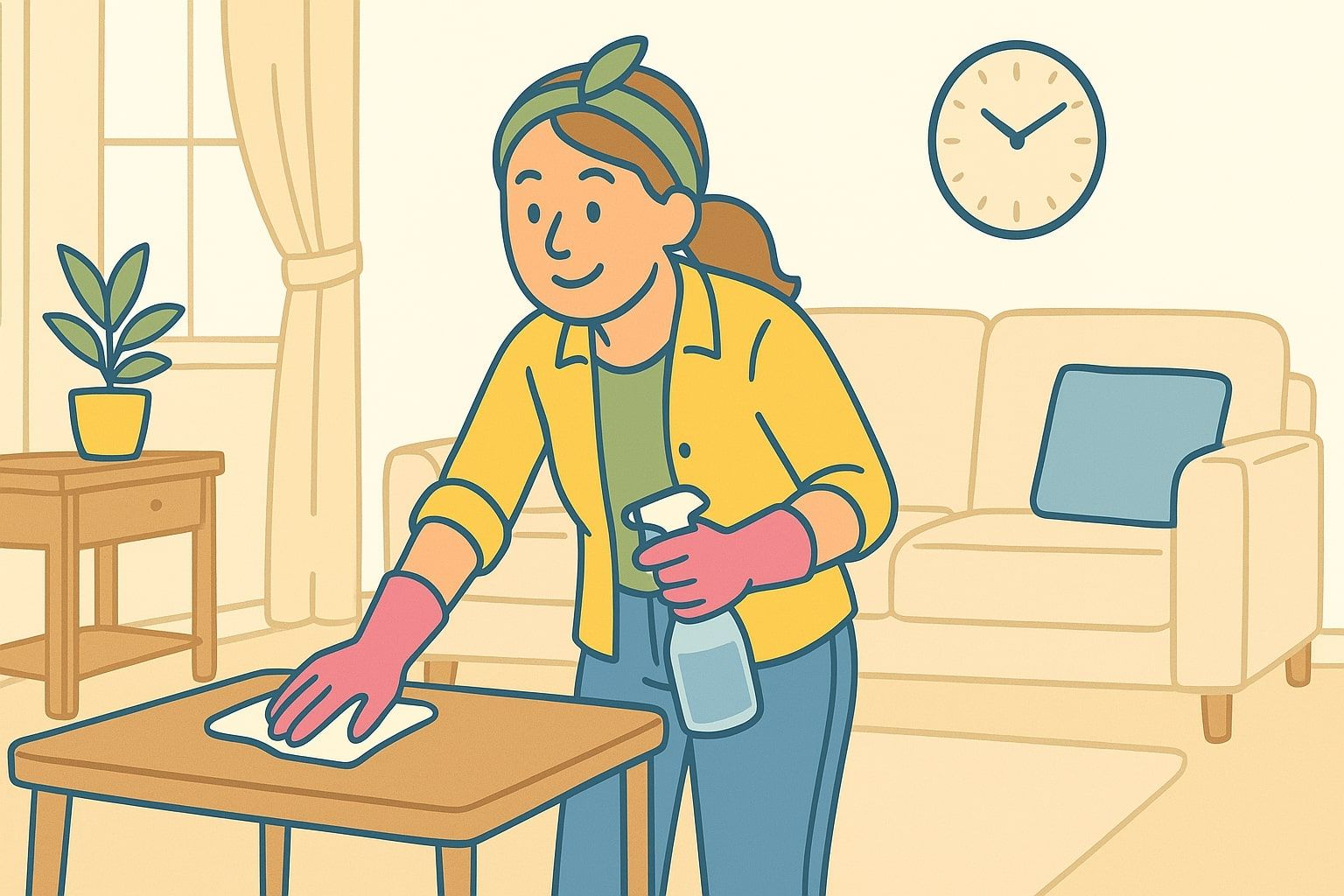
Keeping a home clean is one of the simplest ways to maintain a calmer, healthier environment, yet many people remain unsure about how long it should actually take to complete a typical domestic cleaning session. Because every household is unique, cleaning times vary widely, but several reliable factors can help you understand what to expect. With a clearer view, it becomes far easier to plan your routine, balance your schedule, and decide when professional help may make sense.
This guide explains the main influences behind domestic cleaning duration, offers realistic timings for each room, and provides ways to tailor a cleaning schedule to your lifestyle. You’ll also find practical tips for speeding up regular tasks and helpful comparisons between everyday domestic cleans and the time needed for full house cleaning, which many people use as a benchmark when assessing their own routine.
What Shapes Domestic Cleaning Time?
A number of household characteristics influence how long a standard clean will take. Understanding these helps you estimate your own timings more accurately.
1. Property Size
The size of your home is the most obvious factor. Larger properties have:
- More floor space
- Additional furniture and décor
- Increased surfaces to dust and wipe
- More bathrooms and higher-use areas
A small one-bedroom flat may be completed quickly, while a three- or four-bedroom family home naturally requires more time and energy.
2. Layout and Accessibility
The layout of the property also plays a major role. Open-plan homes tend to be easier and quicker to clean because there are fewer doorways and tight corners. Homes with:
- Narrow hallways
- Multiple small rooms
- Extensions
- Split levels
…usually require more movement, more repositioning of tools, and more attention to detail.
3. General Cleanliness and Maintenance
Homes that receive regular upkeep take less time to maintain. When dust, grime, or limescale has a chance to build up, cleaning sessions run longer because extra scrubbing and product contact time is needed. A kitchen that’s tidied daily may take under an hour; one with dried spills and heavy grease can take far longer.
4. Clutter Levels
Even minimal clutter affects cleaning time because objects must be moved before the surfaces beneath can be properly cleaned. Common clutter-generating factors include:
- Children’s toys
- Clothing piles
- Paperwork
- Pet accessories
- Excess décor
Decluttering—even briefly—before cleaning can shave a significant amount of time off each session.
5. Cleaning Regularity
Cleaning frequency dramatically affects session length. A home that receives a light once-over each week will take far less time than one cleaned only once per month. This is why many households consider how frequency influences cleaning duration, especially when deciding whether weekly or fortnightly professional support might help.
Average Cleaning Times for Each Area of the Home
Although real timings vary, the following estimates offer a reliable starting point for most UK households.
Living Rooms and Shared Spaces
30–60 minutes
This includes:
- Vacuuming carpets and rugs
- Dusting furniture, shelves, and decorative items
- Wiping surfaces
- Cleaning mirrors
- Tidying cushions, throws, or entertainment units
Spaces with extensive décor or multiple shelving units tend to fall at the higher end of the range.
Kitchens
45–75 minutes
Kitchens are naturally time-consuming because they accumulate grease, food residue, and frequent touch-points. A typical kitchen clean includes:
- Wiping counters and tiles
- Cleaning the hob
- Polishing taps and sink areas
- Wiping cupboard doors
- Emptying bins
- Cleaning small appliances externally
- Mopping the floor
Homes where cooking is frequent or where surfaces aren’t wiped down daily may require additional time.
Bathrooms
20–40 minutes per bathroom
Bathroom cleaning usually focuses on:
- Scrubbing sinks, baths, and showers
- Cleaning toilets
- Polishing chrome
- Treating limescale
- Wiping product build-up
- Mopping floors
Bathrooms with heavy limescale or mould will naturally take more time and effort.
Bedrooms
20–45 minutes
Timings depend heavily on clutter levels. A tidy bedroom might only need:
- Light dusting
- Wiping bedside tables
- Cleaning mirrors
- Vacuuming
- Changing bedding if required
Bedrooms with makeup areas, children’s toys, or heavy storage will take longer.
What Can Be Achieved in Short Cleaning Sessions?
Many people schedule cleaners for fixed blocks, commonly two hours. A two-hour visit is typically enough for:
- A general tidy
- A quick kitchen refresh
- Routine bathroom cleaning
- Light vacuuming throughout
- Wiping main surfaces
It is not usually enough for deep cleaning tasks such as oven cleaning, internal cupboards, or scrubbing heavy build-up. However, for tidy homes, these short sessions work well as maintenance between more thorough cleans.
How Domestic Cleaning Compares to Full-House Cleaning
Domestic cleaning focuses on routine upkeep to prevent dirt from building up. Full-house cleaning, on the other hand, involves deep cleaning tasks that are not typically included in weekly maintenance. These may include:
- Moving furniture
- Cleaning inside cabinets
- Degreasing ovens
- Washing doors and skirting
- High-level dusting
- Detailed descaling
Because these tasks are more intensive, deep cleans take considerably longer and often involve specialist products or equipment. They are ideal for seasonal resets, pre- or post-tenancy cleaning, or refreshing a home after illness, renovation, or long periods without maintenance.
Many households find it helpful to compare weekly vs. fortnightly timing efficiency when deciding how often to book routine appointments and how frequently deeper sessions are necessary.
Time-Saving Cleaning Strategies for Busy Households
A few simple habits can dramatically reduce cleaning time and make regular sessions much more efficient.
Quick Daily Habits
- Wipe the bathroom sink after use
- Rinse or squeegee the shower screen
- Load dishes promptly
- Put clutter back in its place
- Shake out entrance mats
- Empty small bins regularly
These actions prevent grime from building up, which means deep cleaning tasks take far less time.
Work Systematically
Develop a consistent method:
- Start at the entrance of a room
- Work clockwise or left to right
- Clean top surfaces first
- Finish with floors
This ensures you don’t re-clean surfaces or miss important areas.
Use the Right Tools
High-quality tools make a noticeable difference:
- Microfibre cloths for streak-free wiping
- Extendable dusters for high reach
- Multipurpose sprays to reduce product switching
- Powerful vacuums to speed up floorwork
Professionals work quickly because they rely on efficient systems and effective tools.
Creating a Cleaning Schedule That Fits Your Lifestyle
Your ideal schedule depends on your household needs, available time, and personal preferences. Here are some common approaches:
Daily Light Maintenance
Best for busy households or families with young children. Keeps clutter and mess from building up.
Weekly Full Refresh
Ideal for people who like structure. A weekly cycle prevents dirt from accumulating and spreads tasks evenly throughout the month.
Fortnightly Cleaning with Mini Top-Ups
This is popular among shift workers, commuters, and households with moderate clutter. Light midweek tasks keep the home manageable.
Seasonal Deep Cleans
Deep cleaning every few months prevents long-term build-up and restores the home to a fresh baseline.
When choosing the right rhythm, consider how much time you realistically have, how quickly your home becomes messy, and whether professional help would support your schedule.
Final Thoughts
Domestic cleaning times vary significantly from home to home, but understanding the factors that influence them helps you make better decisions about your routine. Property size, layout, clutter, daily habits, and cleaning frequency all play a part in shaping how long a typical session will take.
By breaking cleaning into structured tasks, using efficient tools, and adopting small daily habits, you can dramatically reduce the time you spend maintaining your home. A thoughtful schedule also helps prevent overwhelm and keeps cleaning manageable—whether you prefer weekly upkeep, occasional deep cleans, or a mix of both.
If cleaning has started to feel stressful or time-consuming, adjusting your approach, reorganising your routine, or considering occasional professional help can make a noticeable difference to the comfort and calmness of your living space.
Author

Learn which tasks cleaners don’t typically do, why these limits exist, and how clear expectations help create a smoother, more stress-free cleaning experience.
Discover the key differences between end of tenancy cleaning and deep cleaning. Learn what each includes, when to book them, and how to choose the right service.
Unsure between a spring clean or a deep clean? This guide explains what each service includes, when they’re needed, and how to pick the best option for your home.
Discover what a professional deep clean includes with this UK-focused checklist. Room-by-room tasks, optional extras, and tips to prepare your home.
A simple UK guide explaining what a one-off clean includes, how it differs from regular cleaning, and when to book one for a quick home refresh.
Discover what a standard clean includes with this clear room-by-room guide. Learn typical tasks, what’s not included, and how standard cleaning works in UK homes.