Discover the unparalleled quality and exceptional customer satisfaction that sets We Clean Homes apart on its journey to becoming the premier home cleaning service in the UK. Request a quote today and experience the difference Michael Shaw, the visionary founder and managing director, is making in redefining industry standards.
How Often Should I Have My House Cleaned?
Michael Shaw • July 19, 2022
Keeping a home clean is one of the best ways to reduce stress, maintain hygiene, and create a comfortable space to live in. The challenge for most households is not the cleaning itself. The real difficulty is knowing how often each area needs attention and finding a routine that fits around busy schedules. There is no perfect formula that works for every home, although reliable patterns do emerge once you understand the key factors that influence cleaning frequency.
This guide breaks down how frequently the average household should clean, how different lifestyles change the schedule, and what tasks truly need regular attention. It also explains how to approach weekly vs fortnightly schedules so you can choose the right rhythm, while also helping you understand how often floors should be cleaned and the typical time needed for a full-home clean when you want a deeper reset.
Factors That Determine How Often a Home Needs to Be Cleaned
Every household is different, although several elements strongly influence how frequently cleaning should be done.
1. Number of occupants
The more people living in a home, the faster dirt, dust, and clutter accumulate.
2. Pets
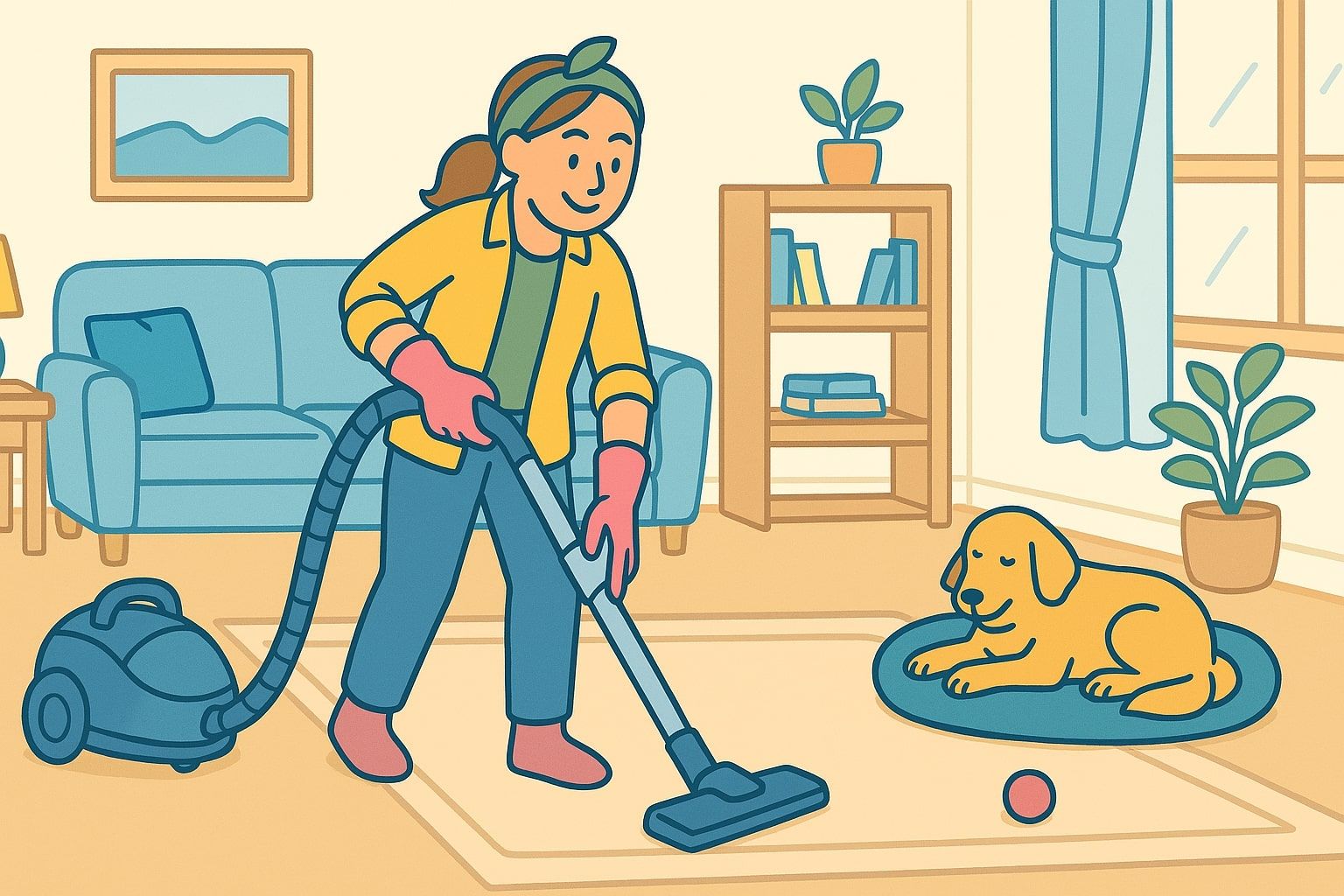
Pets add fur, odours, paw prints, and occasional mess. Homes with pets almost always require more frequent vacuuming and floor care.
3. Lifestyle
Shift workers, large families, remote workers, and busy professionals all create different usage patterns throughout the home.
4. Size and layout
Larger homes typically need more cleaning time, and small homes with heavy storage can become cluttered quickly.
5. Allergies or health concerns
Homes with allergy sufferers often require more frequent dusting, filter cleaning, and vacuuming.
6. Flooring type
Hard floors need different upkeep than carpets, which relates directly to the frequency for sweeping and mopping.
How Often Should the Average Person Clean Their Home?
Most households benefit from cleaning key areas once per week, although the ideal routine differs depending on lifestyle.
Weekly tasks usually include:
- Vacuuming and sweeping
- Mopping high-traffic floors
- Cleaning bathrooms
- Wiping kitchen surfaces and appliances
- Dusting furniture
- Emptying household bins
Many people find that weekly tasks prevent build-up and make deeper cleans easier.
Some households can clean every two weeks if:
- They live alone
- They keep surfaces relatively clear
- They have no pets
- They spend little time at home
For many busy households, comparing weekly vs fortnightly schedules helps determine which option delivers enough cleanliness without being overwhelming.
How Often Should You Clean If You Have Pets or Kids?
Homes with pets or children nearly always require more work. This does not mean daily full-house cleaning. It simply means certain tasks should be done more frequently to stay on top of mess.
Pet-friendly cleaning frequency:
- Vacuum high-traffic areas every 2–3 days
- Mop floors weekly to manage odours and fur
- Wash pet bedding every 1–2 weeks
- Wipe muddy paw prints immediately
These steps align closely with recommended frequency for sweeping and mopping, which becomes more important when pets bring debris into the home.
Kid-friendly cleaning frequency:
- Daily tidy in living areas
- Weekly dusting and vacuuming
- Spot-clean fingerprints on doors and walls as needed
- Clean bathrooms more frequently due to higher usage
Parents often find a weekly professional clean paired with light daily tidying reduces stress significantly.
Benefits of Maintaining a Regular Cleaning Schedule
Cleaning is not only about appearance. A well-kept home delivers practical benefits that support better everyday living.
Health benefits:
- Reduces allergens such as dust mites
- Prevents mould and mildew
- Lowers risk of bacteria in bathrooms and kitchens
Emotional benefits:
- Reduces visual stress and mental load
- Makes the home feel calmer and more inviting
- Encourages better daily habits
Practical benefits:
- Protects furniture and flooring
- Keeps appliances running more efficiently
- Prevents damage caused by dirt build-up
A tidy home also supports better productivity. People relax more easily and focus better when the home feels organised.
How Often Floors Should Be Cleaned
Floors often carry the highest amount of debris, especially in households with children or pets. Understanding how often floors should be cleaned ensures they stay hygienic without requiring constant maintenance.
Recommended frequency for sweeping and mopping:
- Sweep or vacuum high-traffic rooms every 2–3 days
- Mop hard floors weekly
- Deep-clean carpets every 6–12 months
- Spot-clean spills immediately to avoid stains
Carpets hold dust and allergens, while hard floors collect visible debris, making consistent care essential.
Creating a Cleaning Routine That Works
Finding the right balance is easier when you break cleaning into manageable tasks. Many people find success using rotational cleaning blocks.
Daily 10-minute reset
- Clear countertops
- Empty or load dishwasher
- Quick tidy of living areas
Weekly tasks
- Vacuum and mop
- Bathroom clean
- Kitchen wipe-down
- Dusting throughout the home
Fortnightly tasks
- Clean inside microwave
- Polish taps and fixtures
- Wipe skirting boards
Monthly tasks
- Declutter one drawer or cupboard
- Clean window ledges
- Launder cushion covers
Seasonal tasks
- Deep-clean carpets
- Wash curtains
- Declutter wardrobes
Many households choose their schedule after picking a cleaning routine that suits their energy levels, time availability, and lifestyle.
Should You Clean Yourself or Hire a Professional?
Both options work well, and the right choice depends on your routine, energy levels, and priorities.
Doing it yourself works well when:
- You enjoy cleaning
- You have time available
- Your home stays reasonably tidy without assistance
Hiring a professional works well when:
- You have a busy lifestyle
- You want consistent results
- You need support due to mobility or health issues
- You prefer to focus your free time elsewhere
Professionals also work faster because they follow a proven process. If you plan larger cleaning sessions, knowing the time needed for a full-home clean makes it easier to schedule and budget. Researching how long house cleaning takes is particularly helpful when deciding between a weekly or fortnightly visit.
How to Save Money While Keeping Your Home Clean
If you want a clean home without overspending, a few strategic choices can make a noticeable difference.
Money-saving cleaning tips:
- Use a structured cleaning schedule to prevent large build-up
- Clean high-traffic rooms more frequently and low-traffic rooms less often
- Use cost-effective products like vinegar and bicarbonate of soda
- Keep a small kit of essentials in each major area
- Prevent clutter, as clutter increases cleaning time
Routine cleaning reduces the need for costly deep cleans and helps maintain a fresher, more manageable home.
Finding a Reliable Cleaner
A professional cleaner can give you back hours of free time every week. To find someone trustworthy, use a simple checklist.
Checklist for hiring a cleaner:
- Ask friends, neighbours, or colleagues for recommendations
- Check online reviews and ratings
- Confirm they are insured
- Ask what is included in their standard clean
- Discuss expectations and preferred cleaning products
- Agree on frequency and tasks before booking
A professional should help you maintain a routine that works for your schedule, whether you prefer weekly maintenance or lighter fortnightly schedules.
Final Thoughts
There is no single rule that dictates exactly how often every home should be cleaned. The right schedule depends on your lifestyle, family size, pets, work routine, and personal preferences. What matters most is consistency. A regular cleaning pattern prevents overwhelm, makes every session easier, and keeps your home comfortable.
Exploring weekly vs fortnightly schedules helps many households find their ideal rhythm. Understanding the frequency for sweeping and mopping ensures floors stay safe and hygienic. And knowing the time needed for a full-home clean helps you plan deeper resets throughout the year.
A clean home supports better health, a calmer mind, and a more organised life. With a routine that matches your lifestyle, cleaning becomes manageable rather than stressful.
Author

Learn which tasks cleaners don’t typically do, why these limits exist, and how clear expectations help create a smoother, more stress-free cleaning experience.
Discover the key differences between end of tenancy cleaning and deep cleaning. Learn what each includes, when to book them, and how to choose the right service.
Unsure between a spring clean or a deep clean? This guide explains what each service includes, when they’re needed, and how to pick the best option for your home.
Discover what a professional deep clean includes with this UK-focused checklist. Room-by-room tasks, optional extras, and tips to prepare your home.
A simple UK guide explaining what a one-off clean includes, how it differs from regular cleaning, and when to book one for a quick home refresh.
Discover what a standard clean includes with this clear room-by-room guide. Learn typical tasks, what’s not included, and how standard cleaning works in UK homes.