Discover the unparalleled quality and exceptional customer satisfaction that sets We Clean Homes apart on its journey to becoming the premier home cleaning service in the UK. Request a quote today and experience the difference Michael Shaw, the visionary founder and managing director, is making in redefining industry standards.
End of Tenancy Cleaning vs Deep Cleaning: Key Differences Explained
Michael Shaw • December 3, 2025
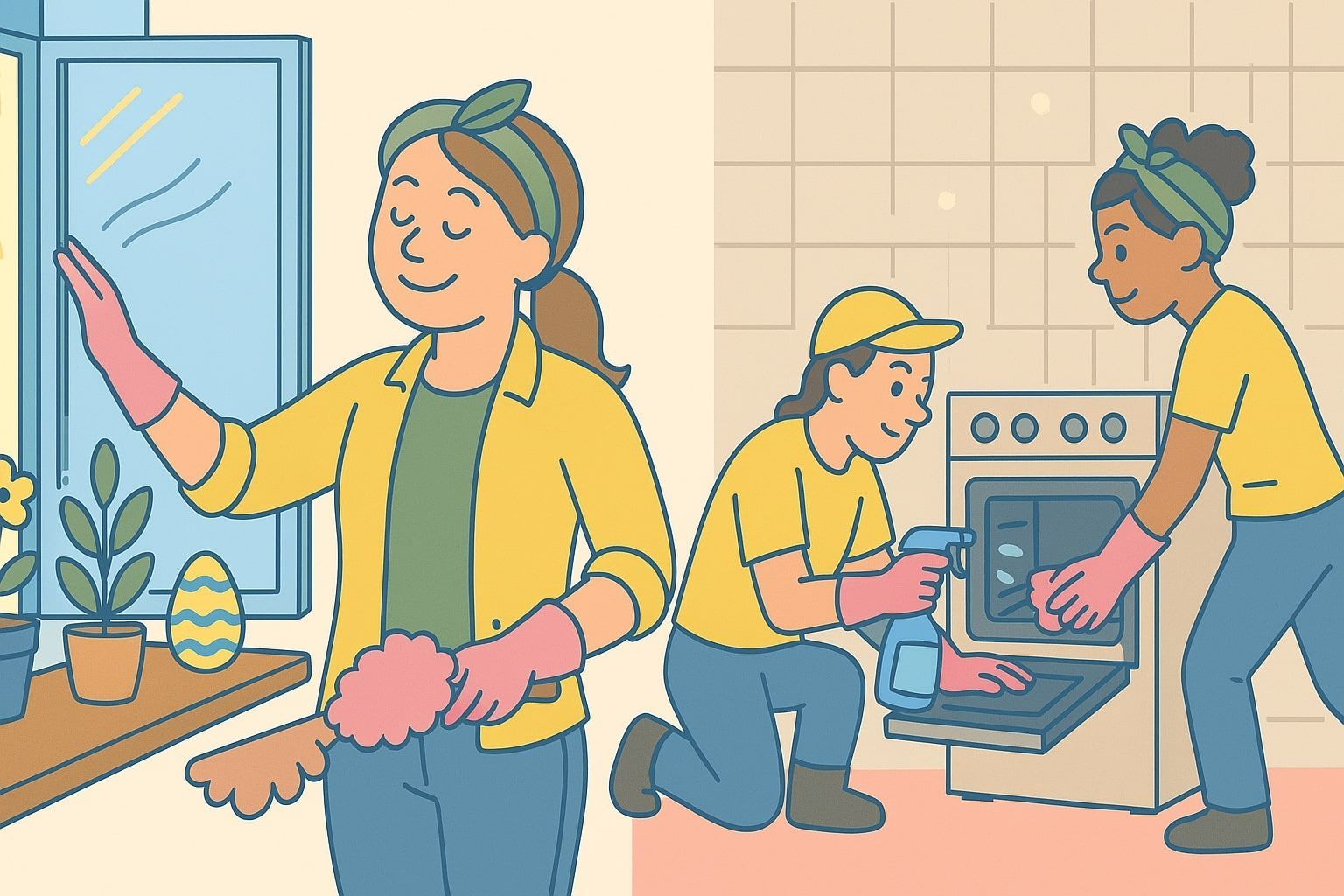
When it’s time to tackle a major clean, most people find themselves choosing between an end of tenancy clean and a deep clean. The two service types often get confused, and while both are far more thorough than a standard weekly tidy, they serve very different purposes. Knowing which one you need will save you time, stress, and money — especially if you’re a tenant preparing for inspection or a homeowner trying to restore a property to a hygienic, refreshed condition.
This guide breaks down the key differences, what each service includes, how long they take, and when to book each one. By the end, you’ll understand exactly which cleaning option is right for your situation.
What Is End of Tenancy Cleaning?
End of tenancy cleaning is a top-to-bottom, move-out clean carried out when tenants vacate a property. It is typically more comprehensive than any other cleaning service because the aim is straightforward: leave the home in a condition that meets the expectations of landlords, letting agents, and inventory clerks.
Why It’s Required
Most tenancy agreements include a clause stating that the property must be returned in a “professionally clean” condition. While this doesn’t always legally require professional cleaners, the standard expected at check-out often makes it difficult for tenants to achieve the same result without specialist tools and time.
What It Typically Includes
A proper end of tenancy clean covers every inch of the property — even the areas people rarely access while living there. Common tasks include:
- Full kitchen clean, including inside and behind appliances
- Professional-level oven clean
- Bathroom descaling and sanitisation
- Internal windows, frames, sills, and tracks
- Light switches, sockets, and fittings
- Dusting of skirting boards, doors, frames, and high-reach areas
- Interior of cupboards, drawers, and wardrobes
- Vacuuming and mopping throughout
- Optional extras: carpet cleaning, upholstery cleaning, and mattress sanitisation
It is also the only cleaning service where the focus is on meeting check-out standards, not personal preference.
What Is Deep Cleaning?
Deep cleaning is a thorough, intensive clean designed for properties that are still occupied. It focuses on built-up grime, neglected areas, and problem spots that regular cleaning doesn’t address.
Purpose of a Deep Clean
While a regular clean maintains the home day-to-day, a deep clean tackles the jobs that accumulate over time. Many homeowners book it once or twice a year as a reset, or before special occasions.
Anyone unsure how it compares to routine housekeeping can also learn more by exploring the difference between regular cleaning and deep cleaning, which helps put this service into context.
Typical Tasks Included in a Deep Clean
Deep cleaning varies depending on the home, but usually covers:
- Scrubbing grout and removing limescale
- Cleaning behind accessible furniture and appliances
- Degreasing kitchen surfaces and cooker hoods
- Wiping skirting boards, switches, and door frames
- Dusting high corners, cobwebs, and vents
- Spot-cleaning walls and doors
- Cleaning bins, seals, and overlooked fixtures
- Mould and mildew treatment (light cases)
Because deep cleaning is adaptable, it can target the areas that need attention most.
For a more detailed overview of what professionals typically tackle, many people find it helpful to explore a deep cleaning checklist for UK homes.
The Key Differences Between End of Tenancy Cleaning and Deep Cleaning
Although both services deliver a more intensive result than standard cleaning, their goals and scope are very different.
1. The Cleaning Standard
End of tenancy cleaning must meet the standard expected by landlords or letting agents. It’s judged at check-out and can determine whether a tenant receives their deposit back.
Deep cleaning is guided by the homeowner’s preferences rather than a formal inspection. The goal is to improve the cleanliness and hygiene of a lived-in environment, not prepare it for handover.
2. Whether the Property Is Occupied
End of tenancy cleans are usually carried out in an empty or nearly empty property, allowing cleaners to access spaces normally blocked by furniture or belongings.
Deep cleans take place in occupied homes, meaning cleaners work around furniture, personal items, and day-to-day clutter.
3. Scope and Areas Covered
End of tenancy cleaning is whole-home focused — every room, fixture, and surface must be cleaned regardless of its condition.
Deep cleaning is more selective and customisable. Homeowners may request focus on:
- Problem rooms (kitchen, bathroom)
- High-traffic areas
- Grime-prone surfaces
- Appliances or tasks neglected for a while
4. Time and Cost
Because end of tenancy cleaning is more comprehensive and often requires specialist treatments such as oven and carpet cleaning, it normally takes longer and costs more.
Deep cleaning prices vary widely depending on the size of the home and what level of detail is required. It rarely takes as long as a full end of tenancy clean.
5. Additional Services
End of tenancy cleans commonly involve:
- Professional oven cleaning
- Full appliance cleaning throughout
- Carpet cleaning or steam cleaning
- Internal window cleaning
Deep cleaning may include some of these tasks, but usually only as optional add-ons.
Which Service Do You Need?
If you’re unsure which option fits your situation, use the guide below.
Choose End of Tenancy Cleaning If:
- You’re moving out of a rental property
- Your tenancy agreement mentions “professional cleaning”
- You want to avoid deposit disputes
- You need a full, landlord-ready handover clean
Choose Deep Cleaning If:
- You still live in the property
- You need a seasonal or annual refresh
- Certain rooms or areas have built-up grime
- You want to reset the hygiene level of your home
How Professionals Approach Each Service
Cleaning teams take different approaches depending on the service.
End of Tenancy Checklist Approach
Professionals use a strict, room-by-room checklist aligned with common inventory standards, ensuring no detail is missed. This is especially important for:
This is paragraph text. Click it or hit the Manage Text button to change the font, color, size, format, and more. To set up site-wide paragraph and title styles, go to Site Theme.
- Inside cupboard carcasses
- Behind appliances
- Inside ovens
- Tracks of windows and patio doors
Deep Cleaning Custom Approach
Deep cleans are more flexible. Cleaners may prioritise:
- Grimy grout
- Limescale
- High-dust areas
- Surface build-up
- Kitchen grease
The goal is to leave the home noticeably fresher and more hygienic while focusing on the homeowner's concerns.
Common Misconceptions
“A deep clean is basically the same as an end of tenancy clean.”
Actually, the standards are entirely different. Deep cleaning brings a lived-in home up to a better condition, while end of tenancy cleaning is about preparing a property for inspection.
“I can skip an end of tenancy clean if the home looks fine.”
Even if the home appears clean, inventory clerks check details many tenants overlook — inside appliances, behind radiators, and limescale in bathrooms.
“A regular clean can achieve the same result.”
Routine cleaning keeps things tidy but isn’t designed for the level of detail required at check-out or for tackling long-neglected areas.
Useful Tips Before Cleaners Arrive
Regardless of the type of clean you choose, a little preparation will make the job smoother.
For End of Tenancy Cleaning
- Remove all personal belongings
- Empty cupboards and drawers
- Defrost the freezer if applicable
- Ensure utilities are still connected
- Provide access to all rooms
For Deep Cleaning
- Declutter surfaces as much as possible
- Point out heavy-use areas
- Move light furniture if you want behind it cleaned
- Secure pets and inform cleaners of any access issues
When a Deep Clean Might Not Be Enough
Some homeowners are uncertain whether they need a deep clean or something more. Comparing spring cleaning vs deep cleaning can help you understand where these services overlap and when an even more intensive seasonal clean might be appropriate.
Conclusion
End of tenancy cleaning and deep cleaning both offer thorough, transformative results, but the purpose behind each service is very different. One prepares a property for inspection and new tenants, while the other restores a lived-in home to a fresher, more hygienic state.
Choosing the correct service ensures you get the best outcome — whether that’s securing your deposit, preparing a rental for new occupants, or giving your home the refresh it needs.
Author

Learn which tasks cleaners don’t typically do, why these limits exist, and how clear expectations help create a smoother, more stress-free cleaning experience.
Unsure between a spring clean or a deep clean? This guide explains what each service includes, when they’re needed, and how to pick the best option for your home.
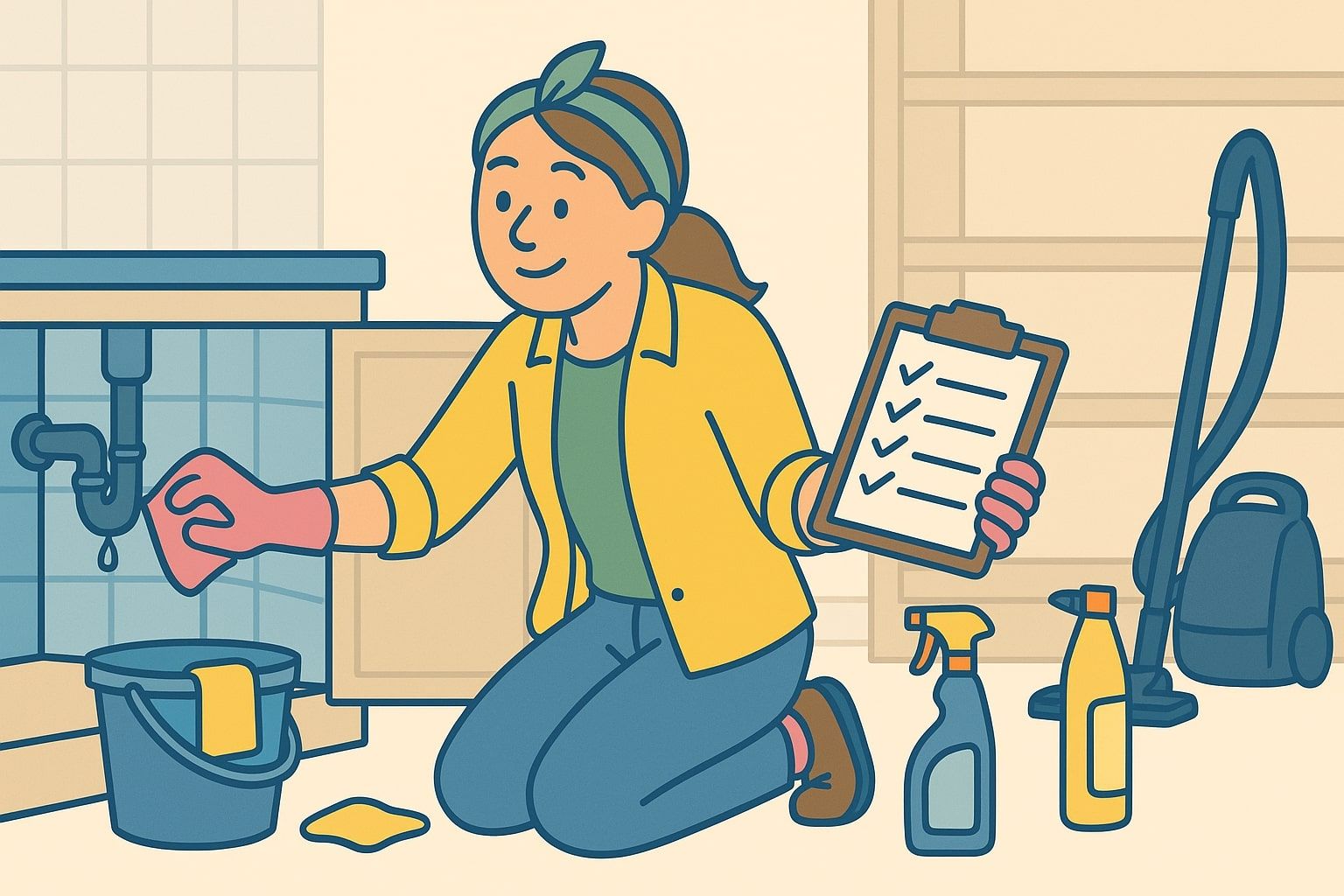
Discover what a professional deep clean includes with this UK-focused checklist. Room-by-room tasks, optional extras, and tips to prepare your home.
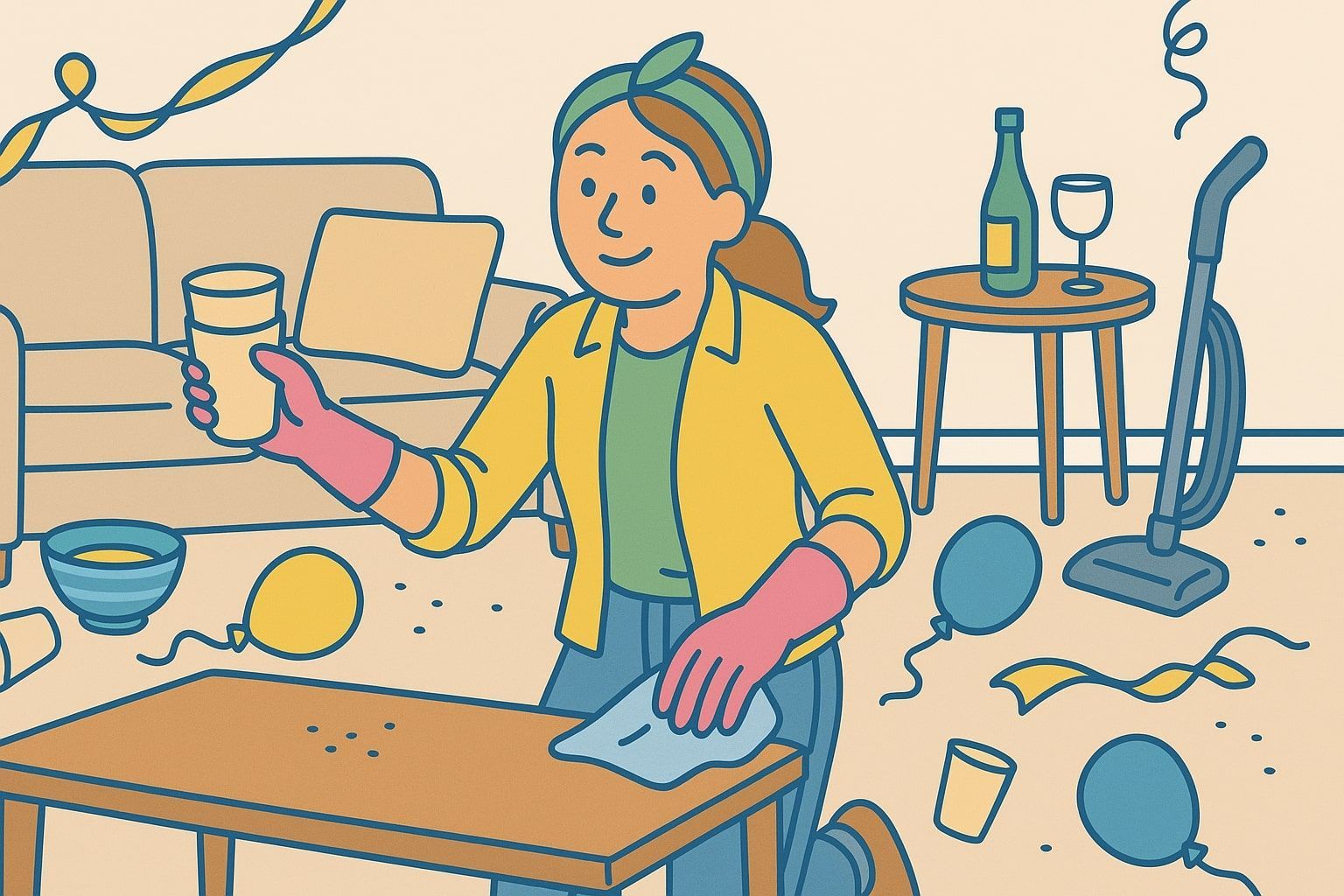
A simple UK guide explaining what a one-off clean includes, how it differs from regular cleaning, and when to book one for a quick home refresh.
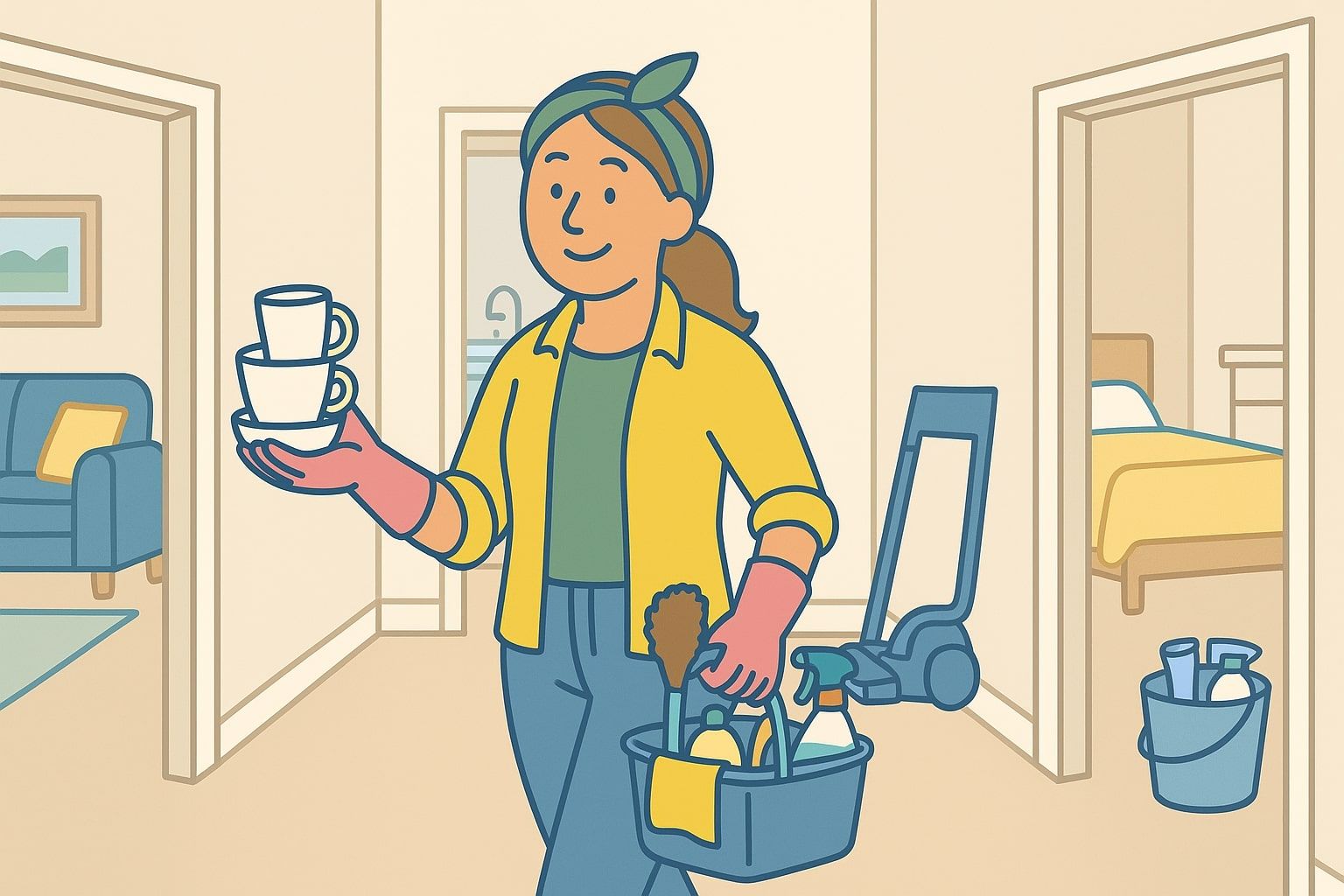
Discover what a standard clean includes with this clear room-by-room guide. Learn typical tasks, what’s not included, and how standard cleaning works in UK homes.
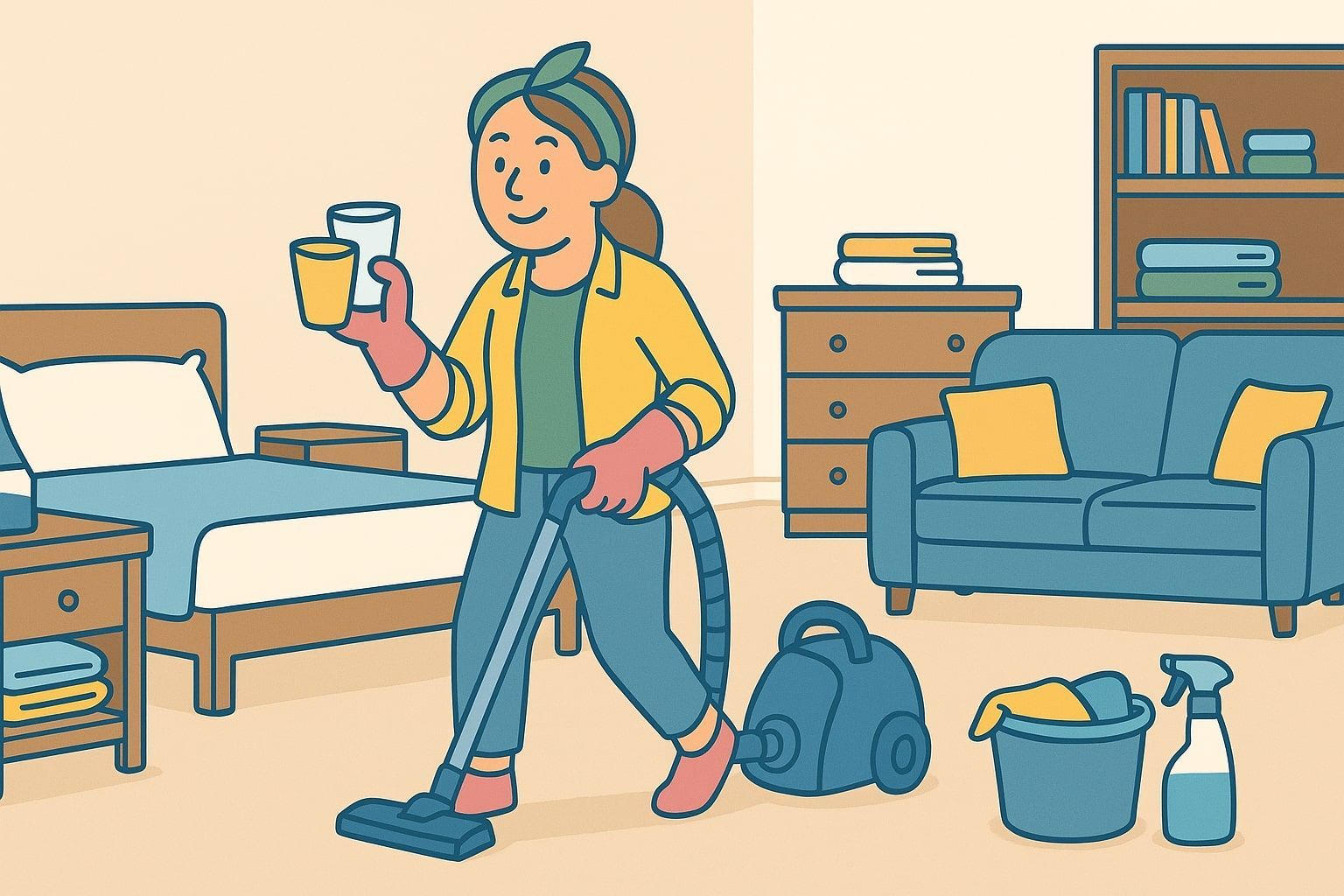
Discover the key differences between domestic cleaning and housekeeping, including duties and support levels, to help you choose the right service for your home.