Discover the unparalleled quality and exceptional customer satisfaction that sets We Clean Homes apart on its journey to becoming the premier home cleaning service in the UK. Request a quote today and experience the difference Michael Shaw, the visionary founder and managing director, is making in redefining industry standards.
What Does a Cleaner Not Do? Setting Realistic Expectations
Michael Shaw • December 6, 2025
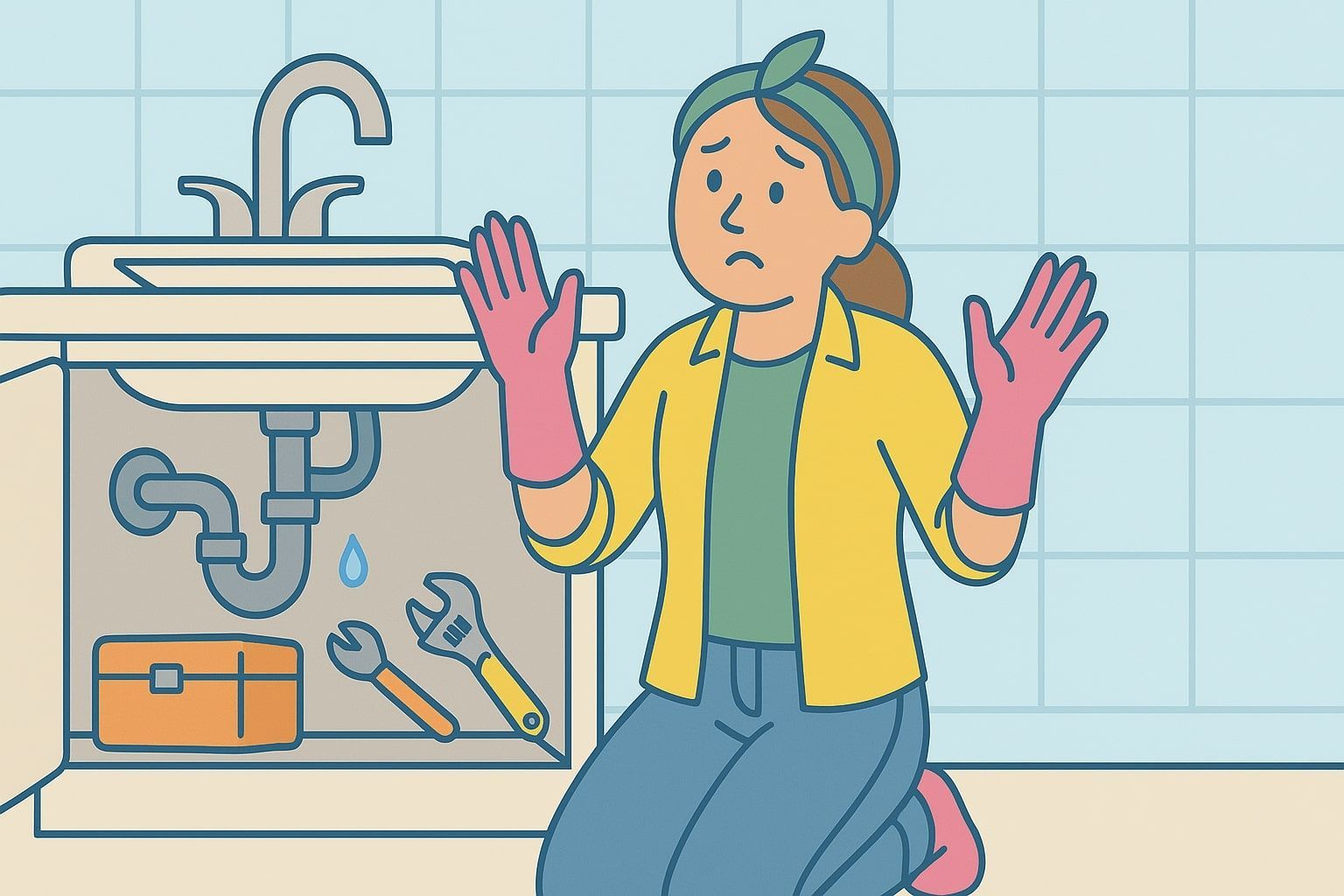
Hiring a cleaner can make home life easier, calmer and more manageable, but many homeowners aren’t always sure what a cleaner doesn’t do. Setting realistic expectations from the start is one of the easiest ways to build a positive, long-term relationship with your cleaner. This guide breaks down the tasks cleaners generally avoid, the reasons behind those boundaries, and how you can ensure you’re booking the right service for your needs.
Understanding where a cleaner’s role starts and ends is essential. Many frustrations happen not because a cleaner is unwilling, but because a task requires specialist equipment, falls outside insurance cover, or simply isn’t part of the agreed service. Clear boundaries protect both you and the cleaner—and ultimately lead to better results.
Why Some Tasks Fall Outside a Cleaner’s Role
Home cleaning varies depending on the type of service booked, the time allocated, and what the customer and cleaner agree in advance. For example, there is a clear difference between regular vs deep cleaning, which affects what can realistically be achieved during a visit. A regular, weekly clean is designed to maintain a home; deep cleaning focuses on more labour-intensive tasks.
Cleaners set boundaries for several key reasons:
- Health and safety: Some tasks pose risks of injury or harm.
- Insurance limitations: Cleaners are often not covered for specialist or hazardous work.
- Time constraints: A routine 2-hour weekly clean simply can’t include every task.
- Specialist skills: Certain jobs require training or equipment that domestic cleaners don’t carry.
- Professional ethics: Cleaners avoid activities outside their role, such as childcare or DIY.
With that in mind, here are the tasks most cleaners do not typically carry out.
1. Heavy Lifting and Moving Furniture
Most cleaners won’t move large or heavy items such as:
- Sofas
- Wardrobes
- Large armchairs
- Appliances like washing machines or fridges
This is not a sign of unwillingness—it’s purely a safety and liability issue. Moving heavy furniture can cause back injuries, damage flooring, or break the item itself. Unless your cleaner specifically offers this as an insured service, it’s best to ensure areas are accessible before they arrive.
2. Working at Height or Unsafe Positions
Cleaners are not expected to stand on ladders, climb onto worktops, or clean exterior windows that require height access. This includes:
- Cleaning high skylights
- Reaching above stairwells
- Exterior windows on upper floors
- Clearing gutters
Working at height is a specialist job with its own equipment and safety protocols. Domestic cleaners stick to accessible, ground-level tasks.
3. Deep Stain Removal, Carpet Restoration, and Specialist Treatments
Many homeowners assume their cleaner can tackle issues like:
- Deep carpet stains
- Heavy limescale that needs chemical soaking
- Mould treatment
- Upholstery extraction
- Smoke or odour removal
These are not part of general cleaning work and often require industrial machines or certified chemicals. If you need thorough restoration, it’s best to book a professional carpet cleaner or a specialist in stain or mould treatment.
4. Exterior Cleaning Jobs
A typical cleaner will not handle outdoor tasks, including:
- Patio or driveway jet-washing
- Gutter clearing
- Conservatory roof cleaning
- Garden tidying
- Removing moss or algae
Exterior cleaning is usually performed by separate services with outdoor equipment.
5. End-of-Tenancy or After-Builders Tasks (Unless Booked Separately)
Standard cleaners tend to focus on routine, maintenance-level cleaning. They generally do not provide:
- Oven disassembly
- Professional carpet shampooing
- Paint or plaster dust removal
- Detailed descaling of all tiles and taps
- Heavy-duty kitchen degreasing
- Ceiling and wall scrubbing
- Window frame and track cleaning throughout the home
These tasks take several hours and often require a team. Booking a dedicated end-of-tenancy or after-builders clean is usually the most effective option.
6. Handling Hazardous or Unsanitary Materials
Cleaners are not licensed to deal with hazardous or unsafe waste, including:
- Bodily fluids
- Excessive pet mess
- Sharps
- Chemical spills
- Infestations
- Rot, mould, or biohazards
These require specialist biohazard cleaning services equipped with the correct PPE and disinfectants.
7. Decluttering, Organising, and Personal Sorting
A cleaner’s role is to clean—not organise personal belongings. They typically avoid:
- Sorting piles of paperwork
- Tidying overflowing cupboards
- Organising wardrobes
- Deciding what to keep, throw away, or donate
- Rearranging rooms
This is partly to avoid moving or misplacing personal items, but mainly because decluttering is a separate service requiring time and consultation. Light tidying is usually fine, but large-scale organisation should be agreed in advance or handled by a dedicated organiser.
8. Childcare, Pet Care, and Personal Assistance
Cleaners are not nannies, carers, or personal assistants. Most will not:
- Watch children while parents run errands
- Walk dogs
- Feed or medicate pets
- Manage appointments
- Handle finances or sensitive personal tasks
Their role is focused solely on home cleaning.
9. Gardening, Repairs, or DIY
Homeowners sometimes ask cleaners to:
- Fix appliances
- Change lightbulbs in difficult-to-reach places
- Assemble furniture
- Repair cracks, holes or paintwork
- Trim hedges or mow lawns
These tasks generally fall outside a cleaner’s remit and require specialist tradespeople.
“Grey Area” Tasks Some Cleaners May Do (If Agreed in Advance)
Every cleaner is different, and many are happy to take on additional tasks if they fit within the time booked. However, these should always be discussed beforehand.
Tasks you might be able to request include:
- Laundry
- Ironing
- Interior window cleaning
- Light fridge cleaning
- Light oven cleaning (non-disassembly)
- Changing bedding
- Organising small areas (e.g., a dressing table)
Because expectations vary so much, agreeing tasks clearly before the first clean is essential. This helps avoid misunderstandings and ensures enough time is allocated.
Setting Clear Expectations From the Start
One of the easiest ways to avoid confusion is understanding what a domestic cleaner actually does during a routine visit. When homeowners expect tasks that fall outside the cleaner’s role, frustration can build on both sides. Having a shared understanding keeps things smooth and straightforward.
To stay aligned with your cleaner, consider discussing:
- The number of hours booked vs the list of tasks
- The rooms they will focus on each visit
- Any areas that need specific attention
- Whether extra tasks require more time or an additional appointment
Remember: a cleaner can only complete what fits realistically into the time they’re given.
Knowing What’s Included in a Routine Clean
Many people also find it useful to understand what’s included in a standard clean, as this helps them judge what can be completed within a normal weekly or fortnightly visit. Standard cleaning focuses on maintaining cleanliness rather than carrying out deep or specialist work.
A typical standard clean includes:
- Dusting accessible surfaces
- Hoovering and mopping floors
- Wiping kitchen counters
- Cleaning bathroom fixtures
- Emptying bins
- General tidying
- Light touch-ups
This keeps the home manageable and hygienic without going into the intensive detail of a deep clean.
How to Make Sure You and Your Cleaner Are Aligned
Here’s a simple checklist to help set expectations:
Before the first clean:
- Discuss the tasks you’d like completed
- Confirm what is and isn’t included
- Agree how much time is needed
- Ensure the cleaner can access all areas safely
Ongoing:
- Provide feedback regularly
- Allow extra time for occasional bigger tasks
- Keep clutter manageable so cleaning can be efficient
- Adapt the task list as your needs change
Open communication always leads to better results and a smoother working relationship.
When You Need More Than a Standard Clean
If your home needs more intensive work, you may need a different service, such as:
- Deep cleaning
- End-of-tenancy cleaning
- After-builders cleaning
- Carpet or upholstery cleaning
- Organising/decluttering services
- Specialist stain removal
Booking the right type of service ensures the job is done thoroughly and safely.
Conclusion
Understanding what a cleaner does—and doesn’t—do is essential for keeping expectations realistic. Cleaners are there to maintain and improve the cleanliness of your home, but they’re not trained or equipped for tasks involving heavy lifting, hazardous materials, outdoor work, or specialist restoration.
When both sides know what to expect, the experience is smoother, the results are better, and the overall relationship stays positive. Clear communication and the right type of cleaning service will always lead to a happier home.
Author

Discover the key differences between end of tenancy cleaning and deep cleaning. Learn what each includes, when to book them, and how to choose the right service.
Unsure between a spring clean or a deep clean? This guide explains what each service includes, when they’re needed, and how to pick the best option for your home.
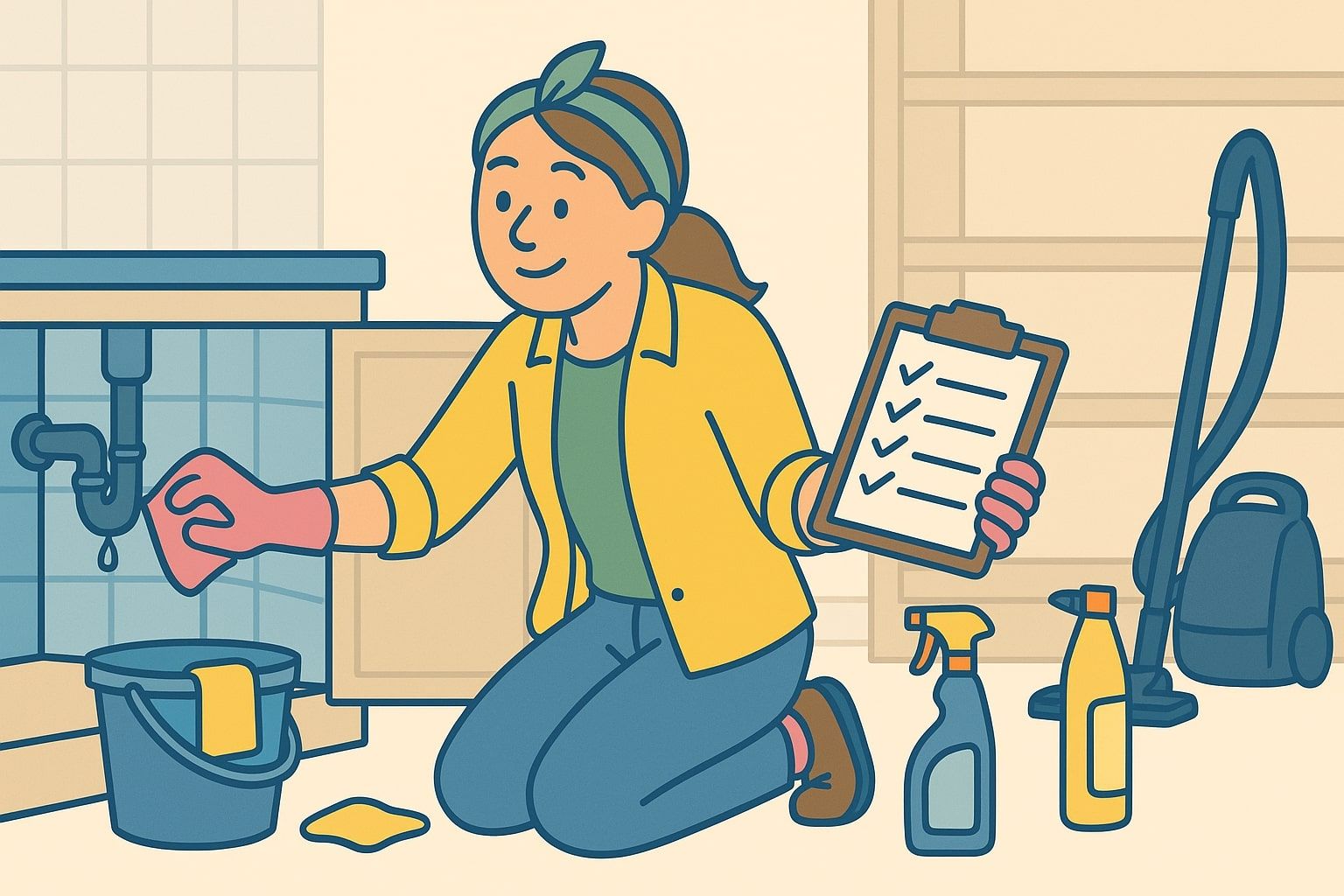
Discover what a professional deep clean includes with this UK-focused checklist. Room-by-room tasks, optional extras, and tips to prepare your home.
A simple UK guide explaining what a one-off clean includes, how it differs from regular cleaning, and when to book one for a quick home refresh.
Discover what a standard clean includes with this clear room-by-room guide. Learn typical tasks, what’s not included, and how standard cleaning works in UK homes.
Discover the key differences between domestic cleaning and housekeeping, including duties and support levels, to help you choose the right service for your home.