Discover the unparalleled quality and exceptional customer satisfaction that sets We Clean Homes apart on its journey to becoming the premier home cleaning service in the UK. Request a quote today and experience the difference Michael Shaw, the visionary founder and managing director, is making in redefining industry standards.
How Much Do House Cleaners Cost in the UK in 2026?
Michael Shaw • July 18, 2022
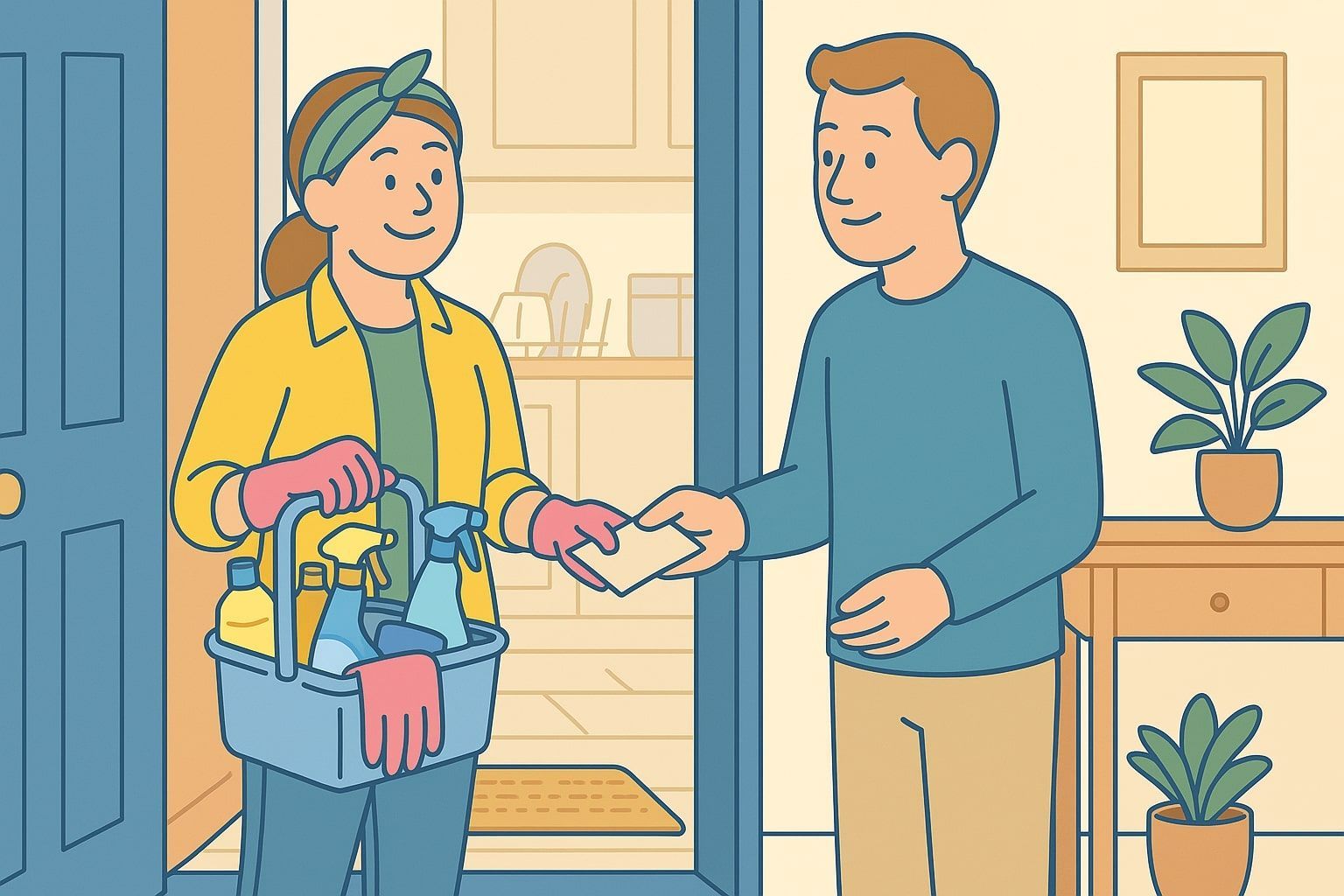
Hiring a house cleaner has become a normal part of life for many households across the United Kingdom. Demand has continued to grow through 2024 and 2025 as people try to balance long work hours, busy family routines, and rising expectations for a tidy and comfortable home. Prices for domestic cleaning have shifted over the past three years due to higher living costs, insurance changes, and increased demand for regular weekly cleans. Homeowners often want to know how long a typical clean takes, as time and cost usually go hand in hand. As we move into 2026, it is helpful for homeowners to understand what cleaners charge, what affects the price, and how to choose a reliable and fairly priced service.
This guide brings the information up to date for 2026 so you can make an informed decision about the type of cleaning support that suits your household.
What services do house cleaning companies offer?
Cleaning services in the UK are flexible. Most cleaners, whether independent or operating through an agency, offer a range of service types that can be tailored to the size of your property and the level of support you need. The most common options include the following.
Regular weekly or fortnightly cleaning
This is the most popular choice among families, professionals, and anyone who wants consistency. If you are unsure how often you should book a cleaner, understanding your household’s needs can help you decide. A regular clean focuses on day to day tasks that keep the home tidy and hygienic. Typical jobs include vacuuming, mopping, wiping surfaces, cleaning bathrooms, disinfecting high touch areas, and general tidying. Regular cleaning is usually the most cost effective service because the work is spread evenly across visits. Many households compare weekly vs fortnightly cleaning options to find a balance between budget and convenience.
One off deep cleaning
A deep clean is more intensive. It covers tasks that build up over time and take longer to complete. Cleaners may move furniture, scrub tile grout, descale taps, clean skirting boards, degrease appliances, and tackle areas that are not covered in a standard clean. Homeowners often request deep cleans when moving house, after building work, before hosting guests, or when the home needs a fresh start.
Spring and seasonal cleaning
This sits between regular and deep cleaning. It is usually a once or twice a year job that focuses on decluttering, reorganising, and refreshing rooms that do not get much attention during routine cleaning.
Specialist or additional services
Many cleaners offer extra services for an added fee. These include:
- Laundry and ironing
- Oven cleaning
- Interior window cleaning
- Carpet and upholstery cleaning
- Fridge and freezer cleaning
- Cupboard and drawer organisation
- Airbnb or holiday let changeovers
Not every cleaner offers all of these services, so it is worth asking early if you require anything specific.
How much does a cleaner cost in the UK in 2026?
House cleaning prices vary across the country. Location, experience, property size, and the type of service all influence the cost. Prices increased steadily from 2022 to 2025 because of fuel costs, insurance premiums, and general inflation. These pressures continue to shape pricing patterns as we enter 2026.
Average hourly rates for regular domestic cleaning
Most households heading into 2026 can expect to pay:
- £14 to £22 per hour for an independent cleaner
- £18 to £28 per hour when booked through an agency or cleaning company
London, the South East, and large cities tend to sit at the higher end of these ranges. Northern regions, Wales, and parts of Scotland often fall in the lower half, although regional differences have narrowed slightly during the past two years.
Prices for one off deep cleaning
Deep cleaning requires more time and effort and is often carried out by two cleaners working together. Typical rates for 2026 are:
- £20 to £30 per hour per cleaner across most of the UK
- £25 to £35 per hour in London and surrounding areas
Some companies set fixed prices for deep cleans based on property size. These usually start at around £120 for small flats and can rise to £300 or more for larger houses.
What affects the price?
Several factors influence what you pay.
- Location. Urban areas have higher wages and higher demand.
- Experience. Long established cleaners or those with specialist skills tend to charge more.
- Home size and layout. Large or cluttered homes require more time.
- Cleaning frequency. Weekly cleaning often works out cheaper than fortnightly or monthly cleaning.
- Condition of the home. Homes that need more intensive work can increase costs.
- Products and equipment. Some cleaners bring everything with them while others expect the homeowner to supply materials.
Prices can also vary based on scheduling needs. Evening and weekend appointments may cost more with some providers.
What is included in the cost of a cleaner?
A standard domestic cleaning rate usually includes the essential tasks needed to keep the home in good shape. These tasks often include:
- Vacuuming carpets
- Sweeping and mopping floors
- Wiping kitchen counters
- Cleaning bathroom surfaces and fittings
- Dusting furniture
- Emptying bins
Tasks that commonly require an extra charge include:
- Oven cleaning
- Inside windows
- Deep carpet cleaning
- Changing bed linen
- Inside cupboards or wardrobes
- Decluttering or organisation
It is important to confirm what is included before booking. Clear expectations prevent misunderstandings and allow you to plan your budget accurately.
What are the benefits of using a house cleaner?
Hiring a cleaner can improve day to day life in many ways.
More free time
Cleaning is one of the most time consuming household jobs. A cleaner frees up evenings and weekends, allowing you to spend time on family, hobbies, or rest.
Lower stress
A tidy home creates a calmer environment. Knowing your cleaner will keep on top of things reduces mental load and helps maintain a comfortable routine.
Improved cleanliness
Professional cleaners maintain consistent standards. They often know effective techniques for tackling limescale, grease, and build-up that many homeowners struggle with.
Support for busy households
Shift workers, parents of young children, carers, and people with demanding jobs often rely on cleaners to stay organised and avoid falling behind.
Benefits of hiring a local cleaner
Local independent cleaners remain very popular across the UK. Choosing someone nearby has several advantages.
Fair and transparent pricing
Local cleaners understand typical rates in the area and often offer competitive prices. Their travel costs are lower, which helps keep prices stable.
Familiarity with local property types
Many towns and cities have common housing styles. Local cleaners usually know the layout, flooring, and typical problem areas found in these properties.
Reduced travel emissions
Shorter journeys mean less environmental impact.
Supporting small businesses
Hiring a local cleaner helps keep money circulating within the community.
How to find a reliable house cleaning service
A good cleaner is reliable, trustworthy, and compatible with your household’s needs. Consider the following points when choosing:
Reliability
Look for cleaners with positive reviews, local recommendations, or a history of consistent work. Reliability includes punctuality, communication, and steady standards.
Compatibility
The cleaner should work well with your schedule and have a style that suits your preferences. Some people prefer a cleaner who works quietly and independently. Others appreciate someone who communicates regularly.
Transparency around pricing
A cleaner should be clear about hourly rates, what is included, and what counts as an additional service. Transparency builds trust.
Insurance
Many professional cleaners carry public liability insurance. This provides reassurance in the event of accidental damage.
Value for money
It is important to balance price with professionalism. A slightly more expensive cleaner who does consistent, high quality work often provides better value in the long run.
Will cleaning prices change during 2026?
Prices at the start of 2026 are likely to follow the same pattern seen in late 2025. Fuel costs, supply prices, and labour availability will continue to influence the market. Most households can expect stable rates unless there are significant economic changes. Regular updates to your search can help you track any local shifts.
Final thoughts
The cost of a house cleaner in the UK in 2026 depends on where you live, the size of your home, and the type of service you choose. Independent cleaners typically charge between £14 and £22 per hour for regular work, while cleaning companies usually charge between £18 and £28. Deep cleaning is more intensive and often costs between £20 and £30 per hour per cleaner.
Cleaning services are no longer viewed as a luxury. For many households, they are a practical way to save time, reduce stress, and maintain a comfortable home. With clear communication and a bit of research, you can find a cleaner who is reliable, trustworthy, and a good fit for your home as you move through 2026.
Author

Learn which tasks cleaners don’t typically do, why these limits exist, and how clear expectations help create a smoother, more stress-free cleaning experience.
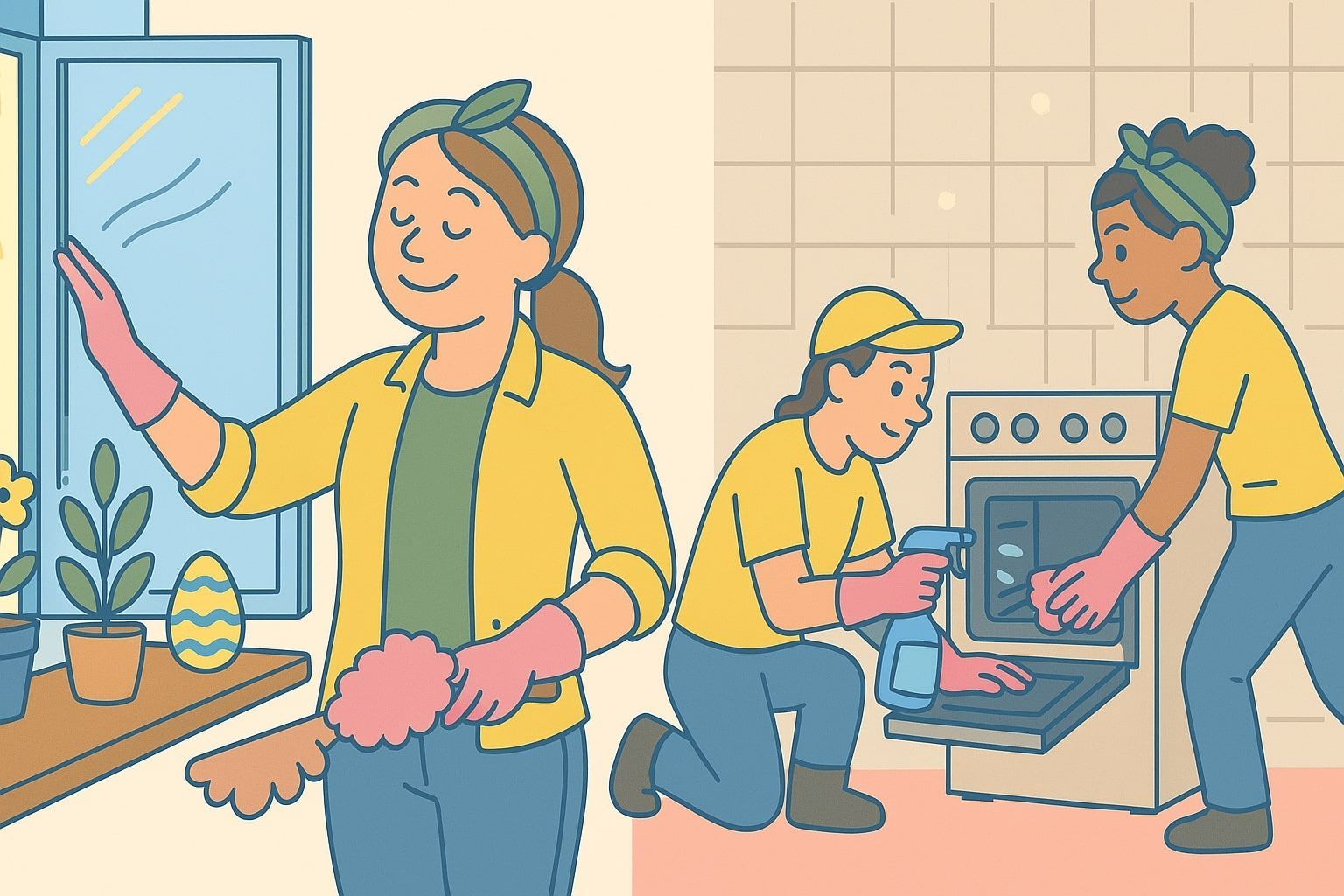
Discover the key differences between end of tenancy cleaning and deep cleaning. Learn what each includes, when to book them, and how to choose the right service.
Unsure between a spring clean or a deep clean? This guide explains what each service includes, when they’re needed, and how to pick the best option for your home.
Discover what a professional deep clean includes with this UK-focused checklist. Room-by-room tasks, optional extras, and tips to prepare your home.
A simple UK guide explaining what a one-off clean includes, how it differs from regular cleaning, and when to book one for a quick home refresh.
Discover what a standard clean includes with this clear room-by-room guide. Learn typical tasks, what’s not included, and how standard cleaning works in UK homes.