Discover the unparalleled quality and exceptional customer satisfaction that sets We Clean Homes apart on its journey to becoming the premier home cleaning service in the UK. Request a quote today and experience the difference Michael Shaw, the visionary founder and managing director, is making in redefining industry standards.
What is the Difference Between a House Cleaner and a Cleaner?
Michael Shaw • July 9, 2022
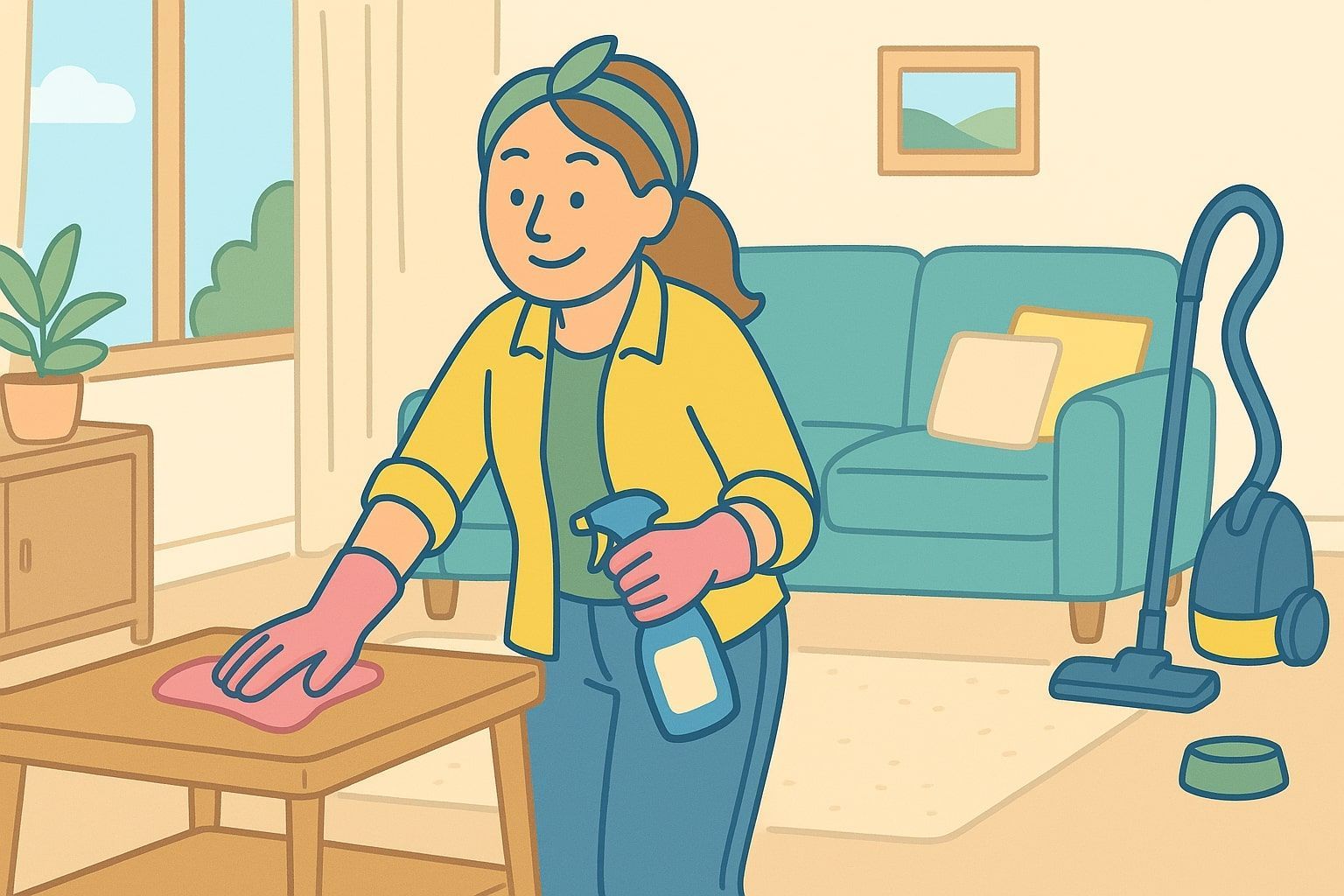
Choosing the right type of cleaning support can feel confusing, especially when similar job titles seem to overlap. In the UK, the terms “house cleaner” and “cleaner” are often used interchangeably, yet the roles can differ in important ways. Understanding these differences helps households budget correctly, set reasonable expectations, and select the right level of help.
This guide breaks down the distinctions, explores the range of tasks each role can cover, and shows you how to decide which option suits your home best. It also helps clarify related topics, including common domestic cleaner duties, what domestic house cleaning involves, and how to consider a regular vs deep cleaning comparison when deciding what you need.
House Cleaner vs Cleaner: The Core Distinction
A simple way to view the difference is this:
- A house cleaner typically supports a home on a recurring basis, handling ongoing domestic tasks and sometimes additional household responsibilities.
- A cleaner usually completes one-off, occasional, or more task-specific cleaning sessions.
Both can be valuable, but they serve different purposes. A busy household that needs consistent upkeep may lean toward a house cleaner, while someone looking to refresh the home before guests arrive might prefer hiring a cleaner for a single visit.
What House Cleaners Usually Do
A house cleaner often works weekly or fortnightly and becomes familiar with the home’s routines and standards. Their work can go far beyond vacuuming and wiping surfaces.
Common tasks handled by house cleaners
- Dusting, vacuuming, mopping
- Bathroom and kitchen cleaning
- Changing bed linen
- Laundry or ironing
- Light organisation
- Weekly upkeep for high-traffic areas
Many house cleaners are also comfortable offering more domestic support, including grocery collection, simple meal prep, or occasional childcare, depending on the arrangement.
This broader remit comes from experience. House cleaners often have more training in general home upkeep and understand how to maintain a household rhythm. That aligns closely with typical domestic cleaner duties that people expect during regular cleaning rounds.
What Cleaners Typically Do
Cleaners are often booked for specific sessions rather than ongoing maintenance. Their work focuses on achieving results quickly within a set time slot.
Examples of what cleaners may handle in short visits
- General tidy and wipe-downs
- Vacuuming and mopping main areas
- Quick kitchen and bathroom refreshes
- Task-focused jobs like fridge cleaning or interior windows
- Support after events or before hosting
Cleaners usually bring their own cleaning products and equipment. Many specialise in particular areas, such as carpets, ovens, or windows. This can make them ideal for homes needing an occasional top-up or support with harder jobs.
A cleaner’s short visit is often shaped by what domestic house cleaning involves across different households, since every home has its own layout, starting condition, and priorities.
Levels of Training and Experience
Training levels can vary across both roles, but there are some typical patterns.
House cleaners usually:
- Have broader experience across general household routines
- Understand long-term cleaning schedules
- Manage their time to keep homes consistently tidy
- Build relationships with families and adapt to expectations
Cleaners typically:
- Focus on efficiency during shorter visits
- Specialise in problem areas such as carpets or limescale removal
- Work across different homes each day
- Bring their own products and tools
This does not mean one option is always better than the other. It simply highlights that a cleaner is often chosen for task-specific work, while a house cleaner is selected for routine consistency.
Comparing the Services They Offer
A house cleaner usually delivers more comprehensive domestic support than a cleaner. This is one of the biggest differences for households deciding which person to hire.
House cleaners may offer:
- Regular cleaning
- Laundry and ironing
- Grocery shopping
- Errand-running
- Household organisation
- Child-friendly support, depending on the arrangement
Cleaners may offer:
- One-off cleaning sessions
- Move-in or move-out cleans
- Pre-event or post-event cleaning
- Oven cleaning
- Carpet or upholstery cleaning
- Deep cleaning sessions
The scope varies, so it helps to ask for a clear task list before booking. Some households also compare this against a regular vs deep cleaning comparison to understand when each service is appropriate.
Costs and Value
It is normal for house cleaners to cost more per hour than cleaners. The price reflects:
- Their broader duty range
- Their ongoing commitment
- Their familiarity with the home
- The extra time saved for the household
What influences cost for both roles?
- Location within the UK
- Frequency of visits
- Tasks included
- Whether supplies are provided
- Size and condition of the property
Some households book a cleaner every few weeks and find it meets their needs, while others prefer the consistency and reliability of a house cleaner who becomes part of the weekly routine.
When to Choose a House Cleaner
A house cleaner is useful for households that value consistency, reliability, and a broader range of domestic support. You might choose a house cleaner if you want:
- Ongoing maintenance without having to ask each week
- Someone who understands your home and routines
- Help with tasks beyond cleaning, such as laundry or errands
- Support that reduces your weekly mental load
- A fresher, more organised home on a regular basis
This is also a good choice for larger households, busy professionals, or anyone needing structured help.
When to Choose a Cleaner
A cleaner is ideal if your home only needs occasional upkeep or if you want specific tasks done well. You might choose a cleaner when you need:
- A quick refresh before guests arrive
- A one-off clean after renovation work
- Support with a deep clean
- Help with niche tasks like ovens or carpets
- Short visits on an ad-hoc basis
This is also a practical option for smaller homes that do not require weekly maintenance.
Checklist: Which One Do You Need?
Use this checklist to narrow down the right choice:
You may want a house cleaner if:
- You prefer regular, scheduled support
- You need help with household tasks beyond cleaning
- Your home benefits from ongoing upkeep
- You want someone familiar with your space and expectations
You may want a cleaner if:
- You only need occasional support
- You want specialised help with certain tasks
- You prefer flexibility over routine
- You want a cost-effective option for irregular cleaning
Final Thoughts
The difference between a house cleaner and a cleaner comes down to frequency, scope, and expectations. Both can play a valuable role in keeping a home comfortable, hygienic, and manageable. The best choice depends on your household rhythm, the type of cleaning you prefer, and how much ongoing support you want.
Take a moment to think about the tasks you need help with, how often they need doing, and how much responsibility you want to hand over. This helps you make a confident, practical decision that supports a cleaner, more balanced home life.
If you want to explore the roles further, looking at domestic cleaner duties, understanding what domestic house cleaning involves, and reviewing a regular vs deep cleaning comparison can help you refine your expectations before booking.
Author

Learn which tasks cleaners don’t typically do, why these limits exist, and how clear expectations help create a smoother, more stress-free cleaning experience.
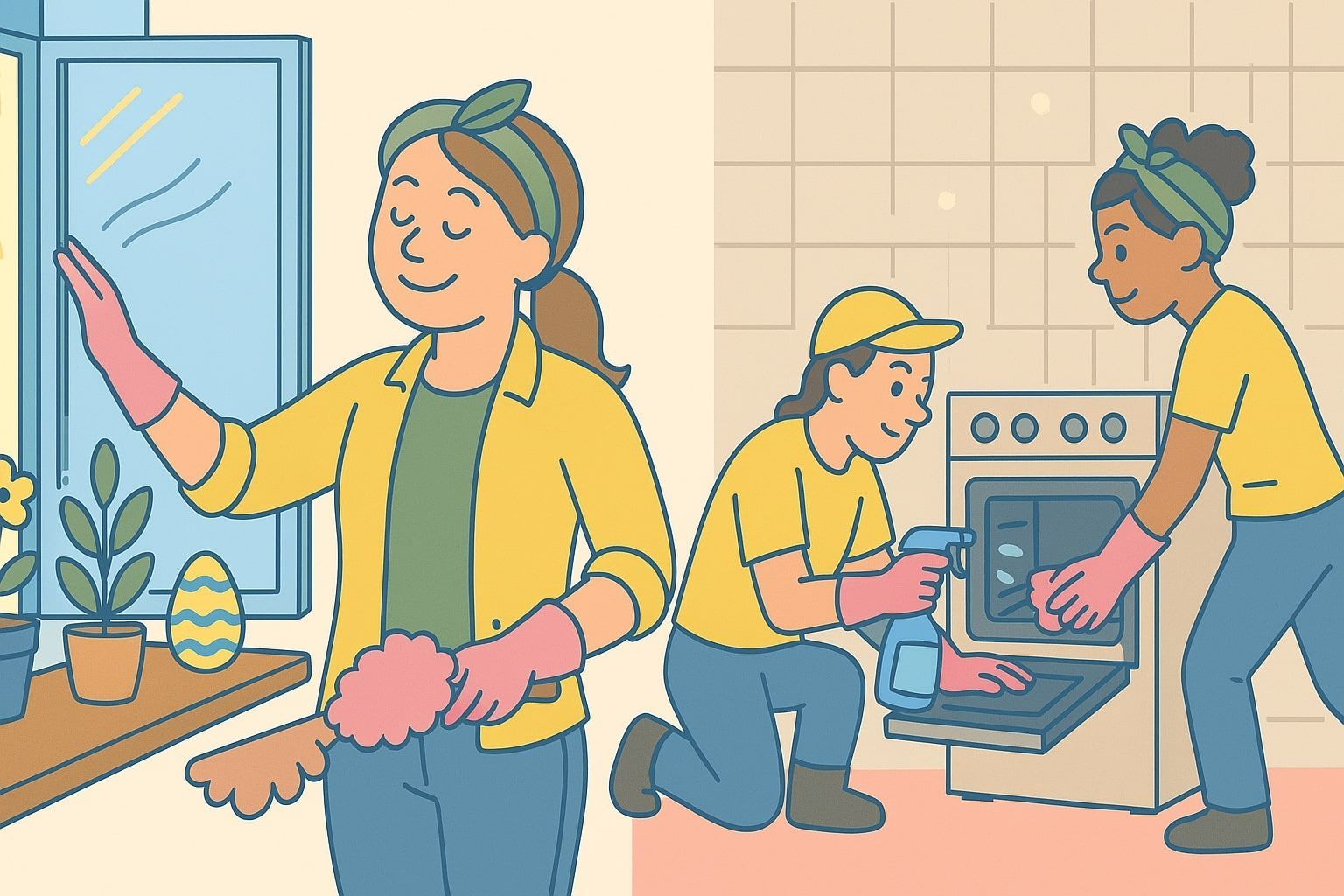
Discover the key differences between end of tenancy cleaning and deep cleaning. Learn what each includes, when to book them, and how to choose the right service.
Unsure between a spring clean or a deep clean? This guide explains what each service includes, when they’re needed, and how to pick the best option for your home.
Discover what a professional deep clean includes with this UK-focused checklist. Room-by-room tasks, optional extras, and tips to prepare your home.
A simple UK guide explaining what a one-off clean includes, how it differs from regular cleaning, and when to book one for a quick home refresh.
Discover what a standard clean includes with this clear room-by-room guide. Learn typical tasks, what’s not included, and how standard cleaning works in UK homes.