
Discover the unparalleled quality and exceptional customer satisfaction that sets We Clean Homes apart on its journey to becoming the premier home cleaning service in the UK. Request a quote today and experience the difference Michael Shaw, the visionary founder and managing director, is making in redefining industry standards.
Hiring a Professional House Cleaner: What to Expect
Michael Shaw • August 28, 2022
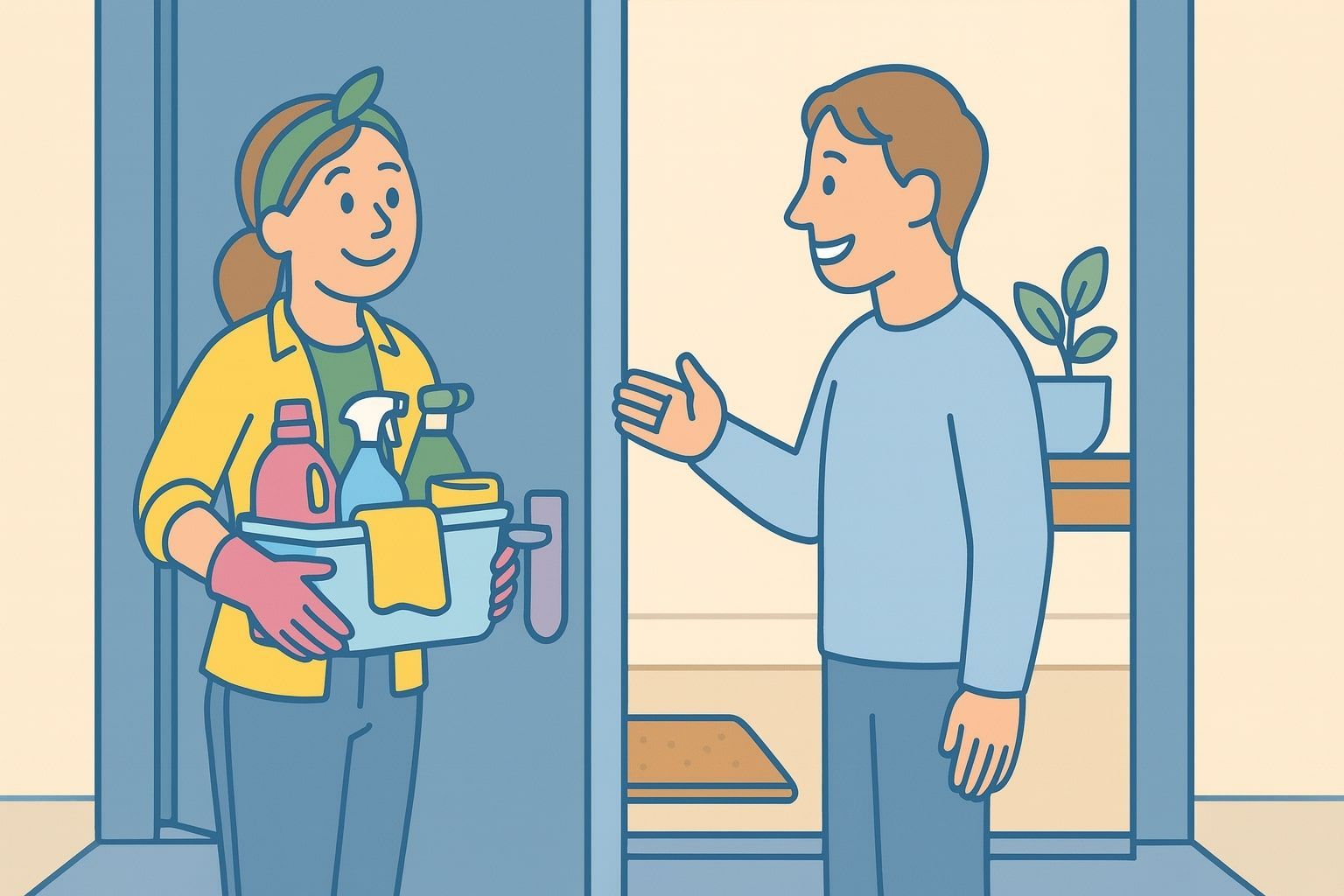
Keeping a home genuinely clean—rather than just tidy—takes time, energy, and consistency. For many households, juggling work, family life, and everyday responsibilities means cleaning often falls to the bottom of the priority list. That’s where hiring a house cleaner becomes an appealing option. Whether you want help weekly, fortnightly, or just occasionally, understanding how the process works can help you make the right choice and feel confident about inviting someone into your home.
This guide walks you through everything from your first meeting with a cleaner to how to prepare your space, how often to schedule visits, costs, and what to do if things don’t quite go as planned.
Why Consider a Professional Cleaner?
Professional cleaners bring experience, efficiency, and a trained eye for detail. They tend to work quickly and methodically, transforming a home in far less time than most people can manage themselves. Typical rates in the UK fall between £15–£20 per hour, depending on the area and workload.
For anyone comparing options, the biggest factors usually include:
- Time saved
- Quality and consistency of cleaning
- Stress reduction and convenience
- Ability to focus on work, family, or rest
If you’re still deciding whether a cleaner is right for you, this guide should help you compare what’s involved so you feel informed and confident.
Your First Meeting With a Cleaner
The first meeting is simply about understanding each other’s expectations. A cleaner’s job is to help, not to judge, and most will be warm, friendly, and easy to speak with. Think of it as an introduction rather than an interview.
What typically happens:
- Home walkthrough: Show the cleaner around so they know the layout, key areas, and any materials or surfaces that require special care.
- Discussion of priorities: Be clear about what matters most to you—whether that’s spotless bathrooms, a deep-cleaned kitchen, or regular dusting.
- Routine and schedule planning: You’ll usually discuss how often you want cleaning and the time slots that work for you.
- Pets: Let the cleaner meet your pets and explain anything they need to know (e.g., “the cat likes to sneak out” or “the dog is nervous around hoovers”).
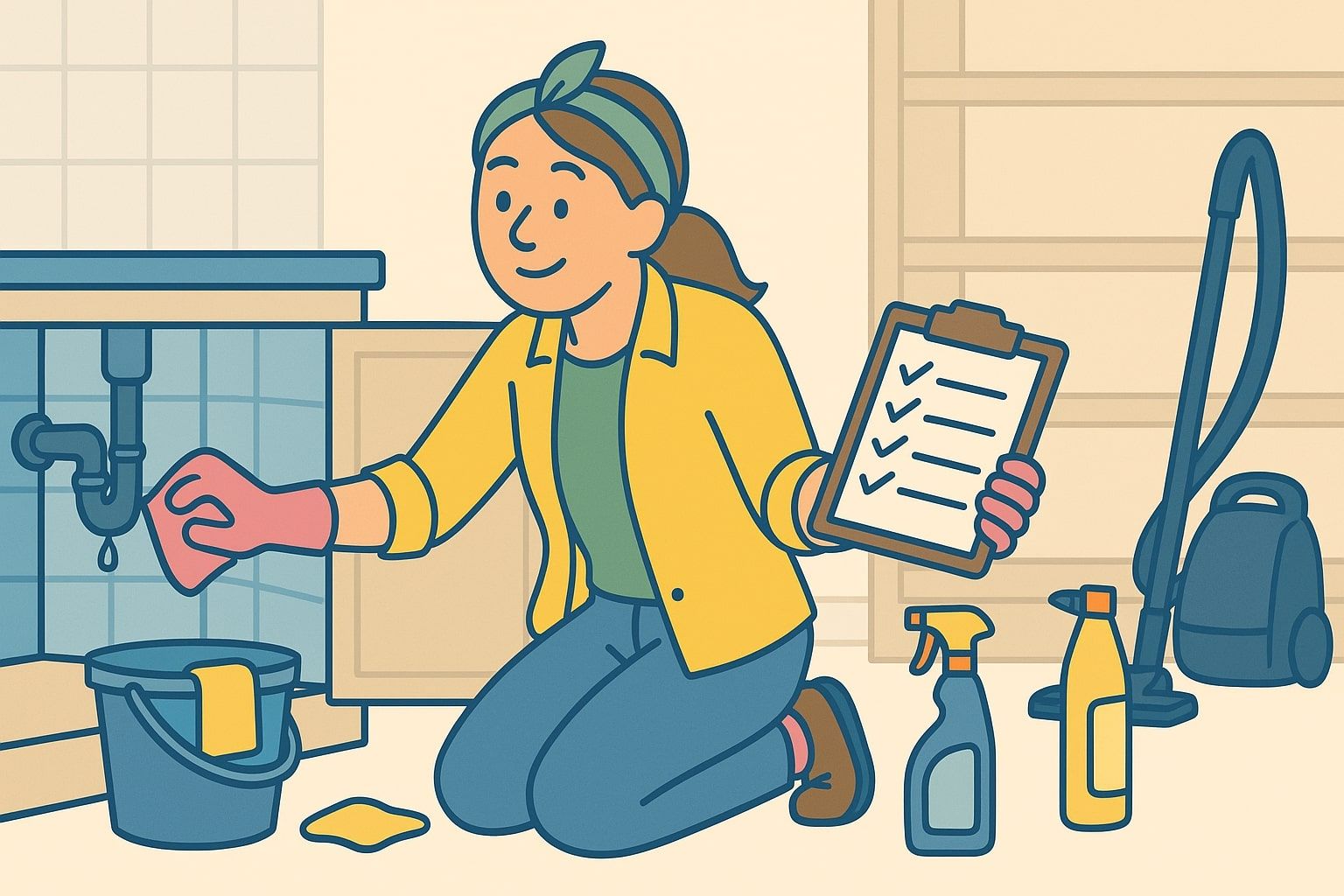
Many people find it helpful to refer back to their first visit checklist so they don’t forget anything important during that initial appointment.
How Often Should a Cleaner Visit?
This is one of the most common questions people have when arranging regular cleaning. There’s no one-size-fits-all answer—it depends on your lifestyle, household size, and budget.
Here’s a quick comparison:
Weekly Cleaning
- Best for busy households, families with children, or homes that get messy quickly
- Keeps your home consistently clean
- Higher monthly cost
Fortnightly Cleaning
- Good balance of cost and cleanliness
- Suitable for most average households
- Some upkeep needed between visits
Monthly Cleaning
- Most cost-effective
- Ideal for people who mostly stay on top of daily messes
- You may need to handle some tasks yourself between visits
A simple way to decide: if dust, pet hair, or kitchen grime builds up quickly, weekly or fortnightly visits will likely feel much more comfortable.
Typical Costs and Why They Vary
Many people assume cleaners are expensive, but when compared to the value of your time—and the results—a professional service can be more reasonable than expected.
Factors influencing cost include:
- Location (city vs rural)
- Frequency of visits
- Size of the property
- Type of cleaning (standard vs deep clean)
Regular cleaning tends to bring the cost down per visit because it prevents heavy build-up. More importantly, hiring someone saves hours each week that you can use for work, family, hobbies, or rest.
What Tasks a Cleaner Usually Handles
Most cleaners follow a standard routine unless you request something specific. Tasks typically include:
General Cleaning
- Dusting surfaces
- Vacuuming carpets and rugs
- Mopping hard floors
- Wiping down skirting boards
Kitchen
- Cleaning worktops
- Wiping cupboard fronts
- Cleaning sinks
- Tidying visible surfaces
Bathroom
- Cleaning toilets, sinks, baths, and showers
- Polishing taps
- Wiping tiles and mirrors
Other Areas
- Emptying bins
- Light tidying (depending on agreement)
Additional tasks—like laundry, ironing, oven cleaning, or inside-fridge cleaning—vary by cleaner, so it’s best to ask beforehand.
Preparing for a Cleaner’s Arrival
Many people wonder how much preparation is needed before a cleaner comes. If you’re unsure, guides on preparing your home before a cleaner arrives can be helpful.
A simple pre-clean checklist:
- Declutter surfaces: Put away clothing, toys, paperwork, and other items so the cleaner can focus on actual cleaning.
- Clear sinks and worktops: This allows for better access and a more thorough clean.
- Make cleaning supplies accessible: Even if the cleaner brings their own products, ensure anything specific for your home is easy to locate.
- Secure pets: Not all pets enjoy the noise of cleaning or the presence of someone new.
Communicating expectations:
Always highlight specific areas you’d like attention given to that day. Communication is key to a positive long-term relationship.
Should You Stay Home or Leave During Cleaning?
People often feel unsure about whether they should remain in the house while the cleaner works. Many find guidance around staying home or going out during cleaning helpful when deciding what feels most comfortable. There’s no right or wrong answer—just choose whatever suits your lifestyle and privacy preferences.
What if You’re Unhappy With the Service?
Sometimes something isn’t quite right—a missed area, a misunderstanding, or a mismatch in expectations. That doesn’t mean the situation can’t be improved.
Try these steps first:
- Have an honest conversation: Cleaners generally appreciate constructive feedback. Be specific about what was missed or what needs adjusting.
- Review your instructions: Sometimes unclear communication leads to mismatched expectations.
- Check access and supplies: Make sure the cleaner has everything needed to do their job well.
- Allow a settling-in period: The first couple of cleans are often about learning your home’s layout and preferences.
If, after trying these steps, things still aren’t working, it’s completely fine to explore other options. The goal is to find someone who fits your home, routine, and expectations.
Final Thoughts
Hiring a house cleaner can make everyday life easier, more organised, and far less stressful. From saving time to improving the overall condition of your home, the benefits often outweigh the costs. With clear communication, realistic expectations, and good preparation, you can create a smooth, reliable cleaning routine that supports your lifestyle.
Whether you need weekly help, fortnightly maintenance, or occasional deep cleaning, the key is understanding what to expect and how to get the most from the experience.
Author

Learn which tasks cleaners don’t typically do, why these limits exist, and how clear expectations help create a smoother, more stress-free cleaning experience.
Discover the key differences between end of tenancy cleaning and deep cleaning. Learn what each includes, when to book them, and how to choose the right service.
Unsure between a spring clean or a deep clean? This guide explains what each service includes, when they’re needed, and how to pick the best option for your home.
Discover what a professional deep clean includes with this UK-focused checklist. Room-by-room tasks, optional extras, and tips to prepare your home.

A simple UK guide explaining what a one-off clean includes, how it differs from regular cleaning, and when to book one for a quick home refresh.
Discover what a standard clean includes with this clear room-by-room guide. Learn typical tasks, what’s not included, and how standard cleaning works in UK homes.