Discover the unparalleled quality and exceptional customer satisfaction that sets We Clean Homes apart on its journey to becoming the premier home cleaning service in the UK. Request a quote today and experience the difference Michael Shaw, the visionary founder and managing director, is making in redefining industry standards.
Should I Clean Before the Cleaner Comes?
Michael Shaw • July 7, 2022
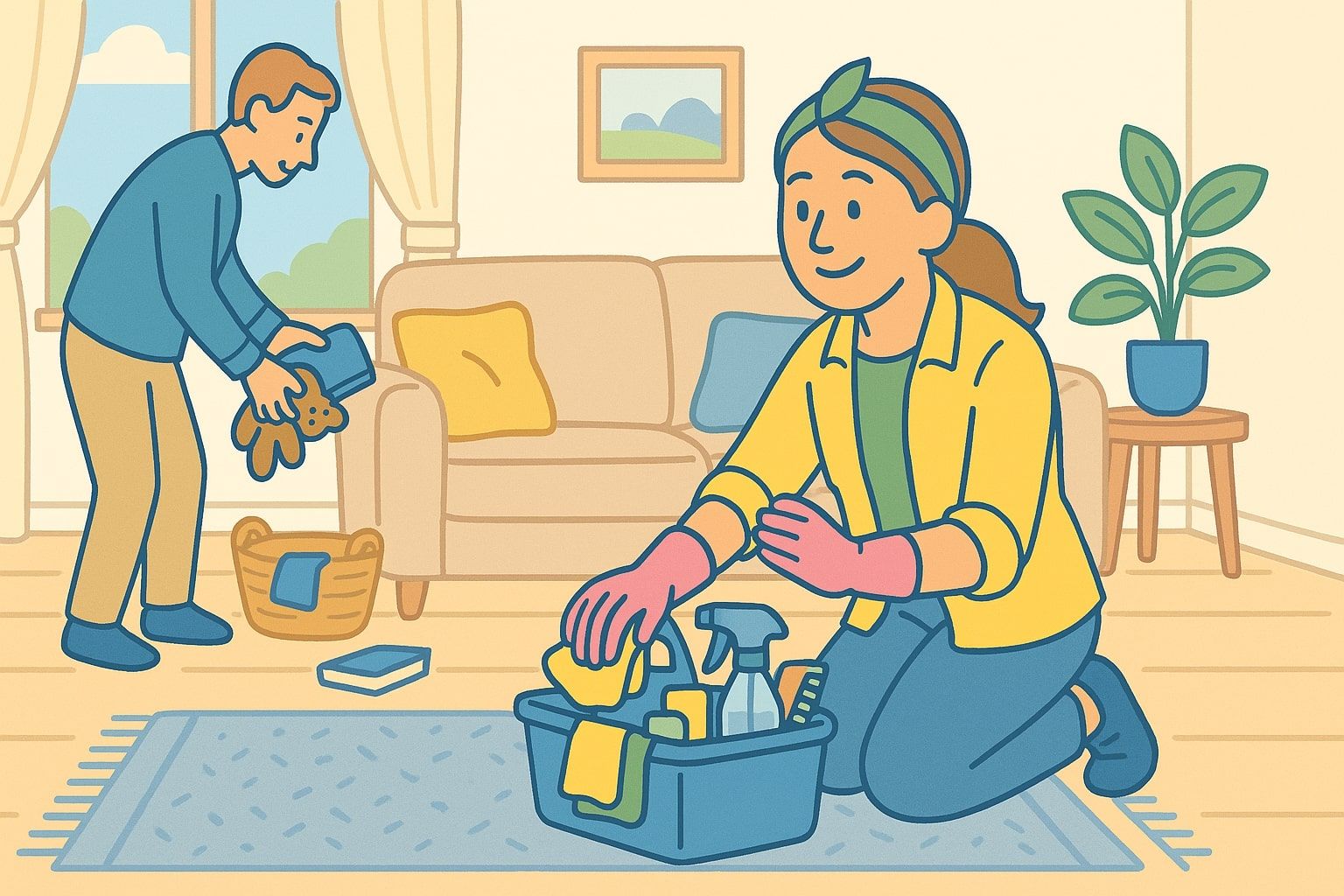
Inviting a professional cleaner into your home should feel like a relief, not extra work. Yet many people wonder whether they ought to tidy up or even pre-clean before the appointment begins. The short answer is simple: you don’t need to clean before the cleaner arrives, and in most cases, doing so won’t improve the results.
Instead, focus on making the visit smooth and clear so your cleaner can work efficiently. Below is a practical, balanced guide to help you understand what’s worth doing beforehand—and what you can skip entirely.
Do You Really Need to Clean First?
The idea of “cleaning for the cleaner” often comes from wanting to be considerate or avoid judgement. But truly, cleaners expect homes to be dirty—that’s the point of hiring one.
Why cleaning beforehand isn’t necessary:
- It doesn’t improve the final result. Your cleaner will go over the same floors, surfaces, and bathrooms regardless of how they look when they arrive.
- You may unintentionally make their job harder. Pre-cleaning can disturb areas they would normally tackle in a structured order, potentially slowing them down.
- You’ll spend unnecessary time and energy. If your cleaner is thorough, anything you do beforehand will likely be redone anyway.
When you have a proper first cleaning visit explanation, you’ll see that cleaners work methodically from room to room, following a clear sequence designed for efficiency. Trying to pre-clean can disrupt that flow more than it helps.
What Cleaners Actually Do
Domestic cleaners work to an agreed task list, which often includes:
- Dusting and wiping surfaces
- Vacuuming carpets and rugs
- Mopping hard floors
- Cleaning bathrooms and toilets
- Wiping kitchen appliances and worktops
- Emptying bins
- Spot-cleaning high-traffic areas
- Polishing taps, sinks, and mirrors
Some may offer extras—such as ironing, laundry, or inside-fridge cleaning—either on request or at an additional cost.
Most cleaners bring their own cleaning supplies and tools, though some prefer to use the customer’s products for hygiene, allergy, or sustainability reasons. This varies, and it’s always worth confirming ahead of time.
What You Should Do Before the Cleaner Arrives
While you don’t need to clean, a bit of light preparation helps your cleaner focus on what you’re paying them to do: cleaning, not organising. Think of it like clearing the stage before a performance.
A quick pre-visit checklist
Tidy, don’t clean:
- Put away clothes, shoes, and toys
- Clear sinks of dishes
- Move paperwork or personal items off surfaces
- Make sure floors are free from clutter
Communicate clearly:
- Highlight any areas that need extra attention (e.g., pet accidents or spills)
- Let them know which rooms to skip
- Mention any fragile décor or items you prefer not to be cleaned
Provide practical access:
- Ensure keys, alarms, and entry instructions are easy to follow
- Secure pets or make arrangements if they’re anxious around visitors
- Check that the hoover, mop, or products (if using yours) are accessible
This preparation doesn’t count as “cleaning”—it’s simply creating a space where your cleaner can work effectively.
Should You Stay Home While the Cleaner Works?
Many people feel unsure about whether to stay in during the visit. It’s entirely personal preference, and your cleaner will adapt either way.
If you’re undecided, you might find it helpful to read guidance on staying home during a clean, which explains the pros and cons of being present versus giving the cleaner space.
For regular appointments, most households eventually settle into a routine, whether that means leaving a key, working from another room, or popping out while the cleaning takes place.
Why Cleaning First Can Actually Make Things Harder
It sounds counterintuitive, but giving the house a “mini clean” before your cleaner arrives can cause difficulties.
Here’s how:
- It disrupts the cleaner’s workflow. Professionals are trained to clean in a specific order, often from high surfaces downwards, then finishing with floors. If you’ve already cleaned some areas, it makes that system less efficient.
- It can hide areas that need attention. A quick wipe-down may make surfaces look fine but doesn’t reveal the deeper grime a cleaner is trained to notice.
- It leads to overlap. You end up cleaning the same areas your cleaner will re-clean—meaning wasted time on both sides.
Your cleaner is there to make your life easier. By stepping back and letting them take the reins, you’re getting the full value of the service.
What Happens If You’re Worried About Mess?
Everyone has a moment of thinking, “My house is too messy—should I clean it first so it isn’t embarrassing?” Rest assured: cleaners see a wide range of homes every day, from spotless to chaotic. A messy house tells them exactly where their skills are needed.
If you want a clear sense of what to expect, especially if this is your first booking, a first cleaning visit explanation often helps you understand the process start to finish. Knowing the order of tasks and how cleaners assess each room can ease any anxiety about judgement.
Save Time and Money by Avoiding Pre-Cleaning
If you’re paying hourly, pre-cleaning can actually cost you money. The more time you spend “straightening up,” the more time the cleaner spends re-doing the same sections systematically.
Here’s what you should save your time for instead:
- Decluttering before the booking (optional but helpful)
- Making a list of priorities
- Relaxing while your cleaner works
- Enjoying your clean home afterwards
Many people overestimate how much prep is needed. You may be surprised at how little you have to do.
What You Can Do to Make Things Easier (Without Cleaning)
This small set of actions supports your cleaner without doubling your workload:
1. Declutter the big stuff
Clearing worktops, floors, and bathroom shelves helps cleaners access surfaces quickly.
2. Provide product preferences
If you prefer eco-friendly sprays or fragrance-free detergents, let your cleaner know.
3. Be consistent
Sharing the same expectations each week helps cleaners learn your routine.
4. Give honest feedback
Professional cleaners appreciate clarity—whether it’s praise or suggestions.
Should You Tip Your Cleaner?
Tipping is always optional in the UK, but many households like to show appreciation for great service, especially during holidays or after a particularly demanding job. If you’re unsure about typical UK norms, reading up on tipping etiquette for cleaners can help you decide what feels right.
Remember, a cleaner won’t expect a tip, and a simple “thank you” or a quick note of appreciation goes a long way.
Final Thoughts: Let the Professionals Handle the Cleaning
Cleaning before your cleaner arrives is unnecessary, counterproductive, and often a waste of your time. A light tidy is helpful, but beyond that, trust your cleaner’s skills and processes.
Focus instead on:
- Clear communication
- Making the home easy to navigate
- Setting expectations for each appointment
- Relaxing while the work gets done
Professional cleaners are there to make daily life easier—so let them do what they do best.
If you follow the simple guidance above, your cleaning sessions will be smoother, more effective, and far less stressful.
Author

Learn which tasks cleaners don’t typically do, why these limits exist, and how clear expectations help create a smoother, more stress-free cleaning experience.
Discover the key differences between end of tenancy cleaning and deep cleaning. Learn what each includes, when to book them, and how to choose the right service.
Unsure between a spring clean or a deep clean? This guide explains what each service includes, when they’re needed, and how to pick the best option for your home.
Discover what a professional deep clean includes with this UK-focused checklist. Room-by-room tasks, optional extras, and tips to prepare your home.
A simple UK guide explaining what a one-off clean includes, how it differs from regular cleaning, and when to book one for a quick home refresh.
Discover what a standard clean includes with this clear room-by-room guide. Learn typical tasks, what’s not included, and how standard cleaning works in UK homes.