Discover the unparalleled quality and exceptional customer satisfaction that sets We Clean Homes apart on its journey to becoming the premier home cleaning service in the UK. Request a quote today and experience the difference Michael Shaw, the visionary founder and managing director, is making in redefining industry standards.
The 5 Dirtiest Areas of Your Home and Why You Should Clean Them
Michael Shaw • October 3, 2022
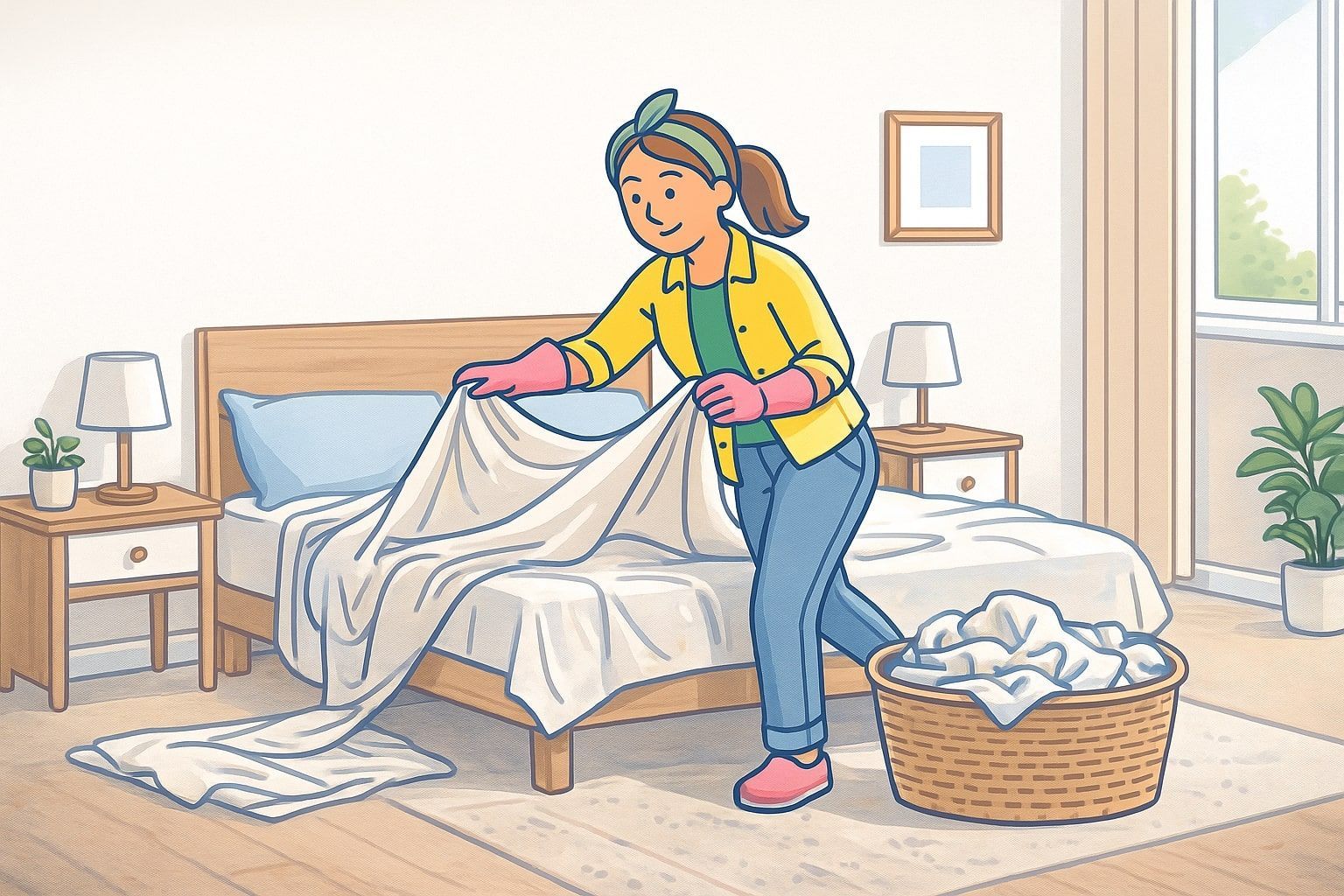
Keeping a home genuinely clean isn’t just about appearance—it’s about creating a healthy, comfortable space where you can fully relax. Even when a property looks tidy, bacteria, allergens, and grime can quietly build up in places you use every day. Some of the worst offenders are areas many people overlook, even during a regular clean.
Understanding where dirt accumulates—and why—helps you maintain a more hygienic home with less effort. Below, you’ll find the five dirtiest areas in most UK homes, alongside practical cleaning methods, weekly habits, and simple hygiene improvements that make a noticeable difference. You’ll also see how these tasks fit easily into wider routines such as following a professional cleaning checklist or learning the basics with a straightforward cleaning guide for beginners.
1. The Kitchen Sink
Although it feels counterintuitive, the kitchen sink is often dirtier than your bin. It collects food residue, grease, bacteria, and moisture—everything needed for fast microbial growth. Each time you rinse raw meat packaging, wash veg, or clean a plate, more bacteria are introduced.
Why It Gets So Dirty
- Constant exposure to moisture
- Food particles trapped in drains and crevices
- Touchpoints such as taps and handles
- Warmth from hot water
How to Clean the Kitchen Sink Properly
A quick rinse with water won’t eliminate germs. For a hygienic sink:
Daily habits
- Rinse the bowl thoroughly after use
- Wipe the surface with disinfectant or washing-up liquid
- Clean taps and handles (high-touch points)
Weekly deep-clean
- Scrub the sink with a non-scratch brush
- Focus on:
- Plugholes and stoppers
- Around the base of taps
- Overflow holes
- Pour boiling water down the drain to help clear lingering food residue
- Finish with a microfibre buff for a streak-free shine
Following advice such as spotless home tips can help reinforce these habits and avoid long-term grime build-up.
2. The Bathroom
Bathrooms provide the perfect conditions for germs—warm, damp, and frequently used. Limescale, soap scum, and surface bacteria accumulate much faster than most people realise.
Common Bacteria Hotspots
- Toilet flush handles
- Tap handles
- Shower screens and curtains
- Toothbrush holders
- Bath mats
Essential Weekly Bathroom Cleaning Tasks
To reduce germ accumulation, aim for a proper clean at least once a week:
- Use a disinfectant cleaner on the toilet, seat hinges, and flush button
- Scrub sinks, taps, and plugholes
- Clean shower trays or baths with limescale remover
- Wash bathmats and towels
- Ventilate the room afterwards to reduce humidity
Bonus tip: Keep the extractor fan on for at least 15 minutes after a bath or shower to slow mould growth.
3. Bed Sheets
Your bed is where you spend up to a third of your life—yet bedding collects sweat, oils, skin cells, and dust mites incredibly quickly. Even if it looks clean, microorganisms thrive in warm fabrics.
What Builds Up in Bedding?
- Bacteria from sweat and body oils
- Dust mites feeding on shed skin
- Fungi (studies have found dozens of species on pillows)
- Allergens, especially in winter when windows stay closed
How Often Should You Wash Bed Sheets?
Most experts recommend once a week, but increase frequency if you:
- Have allergies or asthma
- Sleep hot
- Have pets on your bed
- Suffer from sensitive skin
Wash bedding on a hot wash (60°C) when possible to effectively kill mites and bacteria.
Quick Checklist for Fresher Bedding
- Change pillowcases twice weekly
- Wash duvets and pillows every 3–6 months
- Air your duvet daily by pulling it back for 20 minutes
- Vacuum the mattress surface before changing sheets
4. Carpets
Carpets trap dust, pollen, hair, crumbs, and dirt from outside. Because fibres hold onto debris, carpets can become a significant source of allergens if not maintained properly.
What Hides in Your Carpet?
- Dirt from shoes
- Pet dander and hair
- Mould spores
- Food crumbs
- Dust mites
How to Maintain Cleaner Carpets
Vacuuming is the most effective routine maintenance.
Weekly vacuum checklist
- Vacuum high-traffic areas twice weekly
- Use the crevice tool along edges and skirting boards
- Use the brush/roller attachment for deep agitation
- Empty the vacuum canister before it becomes half full
If you have pets, consider vacuuming every 2–3 days.
Deep Carpet Cleaning
Every 6–12 months:
- Use a carpet shampoo machine or hire a professional
- Move furniture where possible to reach hidden dirt
- Treat stains immediately to avoid permanent marks
This aligns well with approaches recommended in a detailed professional cleaning checklist, ensuring no section of a room is overlooked.
5. Floors (Hardwood, Tiles, Laminate, Vinyl)
Floors are one of the first things to collect dirt but one of the last things many people clean. Dust, crumbs, and soil from shoes spread quickly across surfaces and into corners.
Common Floor Contaminants
- Outdoor dirt brought in on shoes
- Food drops in kitchens
- Bacteria from bathrooms
- Pet footprints
- Dust from general household activity
How to Keep Floors Cleaner
Daily
- Sweep or use a dry mop to remove surface dust and crumbs
Weekly
- Mop hard floors with warm water and an appropriate cleaner
- Avoid harsh chemicals on hardwood
- Clean grout lines if tiled
Deep cleaning
- Steam cleaners work well on sealed floors
- Use mats at entrances to reduce dirt migration
Why These Areas Get So Dirty – Understanding the Science
These five locations share similar conditions:
- Moisture, which helps bacteria and mould thrive
- Touch, meaning frequent contact spreads germs
- Warmth, encouraging microbial growth
- Organic matter, such as food, skin cells, and oils
- High use, meaning repeated exposure to contamination
Understanding this helps shape practical routines that target the real causes of dirt build-up.
Simple Weekly Home Cleaning Routine
If you want a straightforward plan to keep on top of these hotspots, here’s a helpful structure:
Daily
- Wipe the kitchen sink
- Do a quick floor sweep
- Ventilate the bathroom
- Rinse bath/shower surfaces
Weekly
- Clean the toilet, sink, and shower
- Deep clean the kitchen sink
- Vacuum carpets thoroughly
- Change bed sheets
- Mop hard floors
Monthly
- Clean under and behind appliances
- Wash pillows and mattress protectors
- Descale taps and showerheads
If you’re just starting out and need a straightforward place to begin, exploring a cleaning guide for beginners can help you build good habits without overwhelm.
Final Thoughts
A clean home doesn’t require perfection—it simply needs consistent routines that target the right areas. By paying attention to the places most prone to dirt and bacteria, you create a safer, fresher, and more comfortable environment for everyday living.
These five commonly overlooked areas—kitchen sinks, bathrooms, bed sheets, carpets, and floors—have a big impact on hygiene, and a few simple habits can make a noticeable difference almost immediately. With the right structure and practical advice, staying on top of dirt becomes much easier and far less time-consuming.
If you’d like help developing or maintaining a routine, or simply want your home to feel cleaner and healthier, using structured advice such as spotless home tips, following a professional cleaning checklist, or starting with a cleaning guide for beginners can help you maintain a fresher home all year round.
Author

Learn which tasks cleaners don’t typically do, why these limits exist, and how clear expectations help create a smoother, more stress-free cleaning experience.
Discover the key differences between end of tenancy cleaning and deep cleaning. Learn what each includes, when to book them, and how to choose the right service.
Unsure between a spring clean or a deep clean? This guide explains what each service includes, when they’re needed, and how to pick the best option for your home.
Discover what a professional deep clean includes with this UK-focused checklist. Room-by-room tasks, optional extras, and tips to prepare your home.
A simple UK guide explaining what a one-off clean includes, how it differs from regular cleaning, and when to book one for a quick home refresh.
Discover what a standard clean includes with this clear room-by-room guide. Learn typical tasks, what’s not included, and how standard cleaning works in UK homes.