Discover the unparalleled quality and exceptional customer satisfaction that sets We Clean Homes apart on its journey to becoming the premier home cleaning service in the UK. Request a quote today and experience the difference Michael Shaw, the visionary founder and managing director, is making in redefining industry standards.
How to Take the Stress Out of House Cleaning
Michael Shaw • July 26, 2022
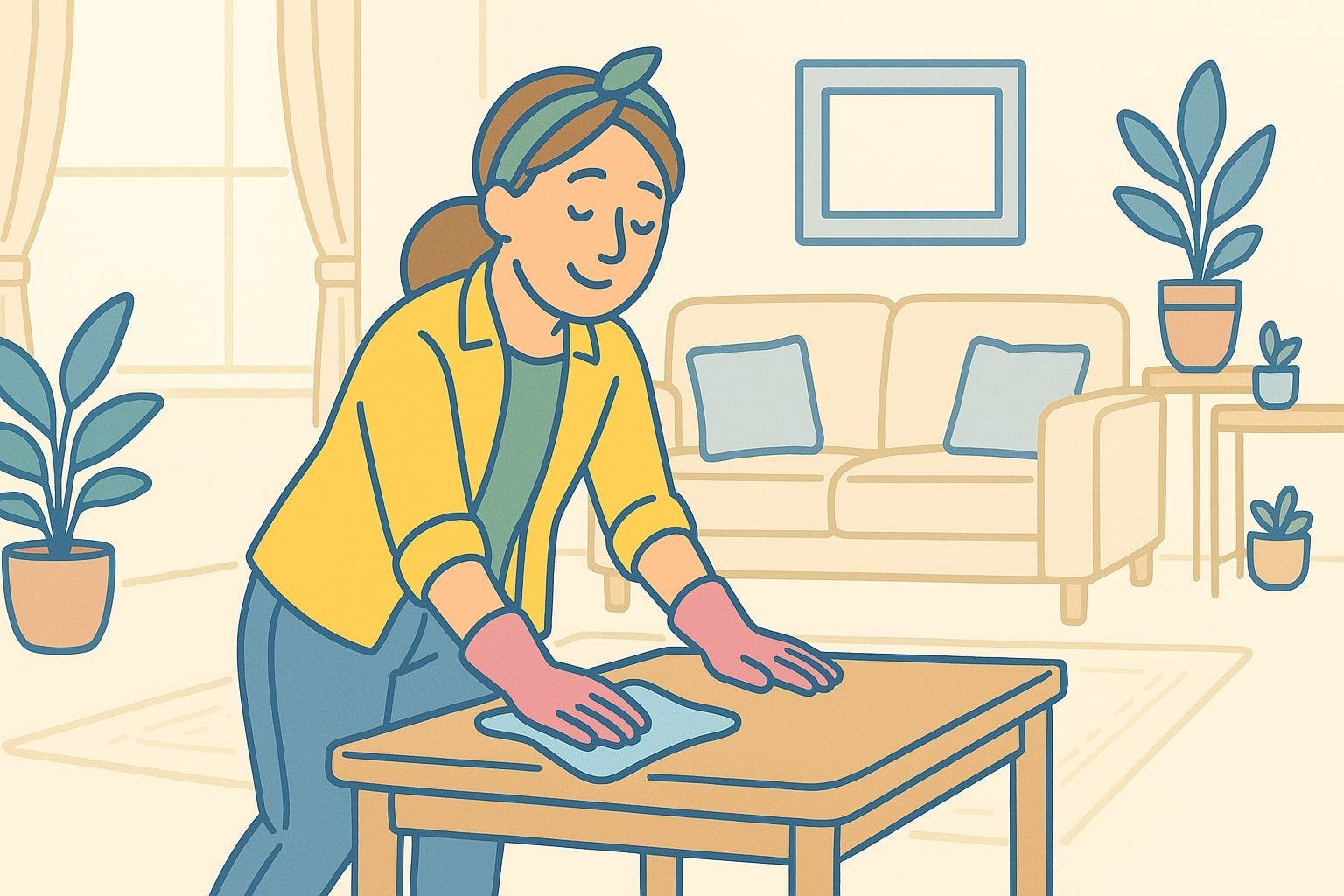
House cleaning rarely tops anyone’s list of favourite weekend activities, yet a tidy, hygienic home makes everyday life calmer, healthier, and far more comfortable. The good news is that cleaning doesn’t need to feel overwhelming. With the right planning, tools, and habits, it can become a much smoother, more manageable part of your routine — even something you can get done quickly so you can enjoy more of your free time.
Whether you're trying to keep up with busy family life, maintain order in a small flat, or simply want cleaning to feel less stressful, this guide brings together practical steps, helpful structure, and tried-and-tested tips. Along the way, you’ll explore how a streamlined cleaning routine can transform the way your home feels, how simple cleaning hacks can cut effort and time, and how using lists to stay organised helps you avoid clutter and procrastination.
1. Divide Your Home into Zones
One of the most effective strategies for stress-free cleaning is breaking your home into manageable sections.
This turns what feels like one huge job into smaller, achievable tasks.
Why Zones Work
- You avoid jumping from room to room and losing momentum.
- It prevents that “half-cleaned everywhere” situation.
- You can complete a zone quickly and enjoy the feeling of progress.
How to Create Your Zones
Start by listing every space in your home — including the fiddly ones like the porch, utility cupboard, and hallways.
A typical home may include:
- Kitchen & dining area
- Living room
- Bedrooms
- Bathrooms
- Hallways & landings
- Utility room
- Office or study area
- Outdoor entrances
Try grouping them by daily use or how quickly they gather dirt. For example:
- High-use zones: kitchen, bathroom, living room
- Medium-use zones: hallways, bedrooms
- Low-use zones: office, spare room, storage cupboards
Zone-Cleaning Checklist Example
When working zone by zone, follow a simple checklist such as:
Kitchen
- Clear counters
- Wipe surfaces & splashbacks
- Clean hob
- Empty bins & recycling
- Sweep & mop floor
Bathroom
- Clean toilet, sink & bath/shower
- Wipe mirrors
- Replace towels
- Empty bin
- Mop floor
Work through each list until the zone is complete before moving on. This approach keeps you organised and boosts motivation by giving you clear “wins” as you go.
2. Create a Cleaning Schedule That Fits Your Lifestyle
A written cleaning schedule removes a huge amount of stress. Without structure, tasks pile up and everything eventually feels urgent. A schedule brings calm and clarity.
Setting Up Your Schedule
Think about:
- How much time you realistically have
- Who else can contribute
- Which tasks must happen daily vs weekly vs monthly
A Sample Weekly Cleaning Framework
Daily Tasks
- Make beds
- Load or unload the dishwasher
- Quick kitchen wipe-down
- Tidy general clutter
Weekly Tasks
- Vacuum high-use areas
- Change bedding
- Dust living spaces
- Clean bathrooms thoroughly
- Mop hard floors
Monthly Tasks
- Wash windows
- Deep clean appliances
- Declutter drawers & shelves
- Rotate seasonal clothing
Print your schedule or keep it on the fridge so everyone sees it. You can also use digital reminders. The goal isn’t perfection — it’s consistency.
3. Use the Right Tools and Equipment
Having the correct tools makes an enormous difference. Cleaning becomes faster, easier, and far less physically demanding when the equipment does its job properly.
Essential Tools for UK Homes
- Microfibre cloths (colour-coded for hygiene)
- A decent vacuum cleaner with attachments
- Mop and bucket / spray mop
- Extendable duster
- Rubber gloves
- Scrub brushes
Useful Extras
- Handheld vacuum for quick crumbs or pet hair
- Limescale remover for UK hard-water areas
- Squeegee for speedy shower and window cleaning
- Carpet sweeper for fast floor refreshes
Set Up a Cleaning Caddy
Keep everyday essentials together so you’re ready to go without hunting for items.
A well-stocked caddy may include:
- All-purpose spray
- Bathroom spray
- Glass cleaner
- Microfibre cloths
- Sponge
- Gloves
- Small bin liners
This saves time and keeps your routine simple and streamlined.
4. Invest in Quality Cleaning Products
The right products don’t just clean better — they reduce the effort you need to put in, which is ideal if you want to keep tasks quick and efficient.
What to Look For
- Products designed for specific areas (e.g., oven cleaners, limescale removers, wood-safe sprays).
- Eco-friendly or low-chemical options if you prefer gentler cleaning.
- Concentrated products that last longer and are budget-friendly.
- UK-favourite brands known for reliability and effectiveness.
Why Quality Matters
- You spend less time scrubbing.
- Surfaces look cleaner for longer.
- Your home smells fresher and feels cared for.
A small investment in the right solution often saves hours in the long run.
5. Delegate Where You Can
If you live with family, housemates, or a partner, cleaning doesn’t need to fall solely on your shoulders.
Why Delegation Helps
- It teaches responsibility and teamwork.
- Everyone contributes to a shared living environment.
- The home stays cleaner for longer with less individual effort.
Ways to Delegate Effectively
- Assign rooms or zones to specific people.
- Rotate chores weekly to keep things fair.
- Create task cards for children with simple steps.
- Hold a quick “10-minute tidy” together in the evenings.
Even small contributions from others can dramatically reduce your workload.
6. Take Breaks and Pace Yourself
Cleaning shouldn't exhaust you. Regular breaks keep your energy high and prevent the job from becoming stressful.
Healthy Cleaning Habits
- Set timers (e.g., 20 minutes cleaning, 5 minutes resting).
- Drink water while you clean.
- Play music or a podcast to stay motivated.
- Stop if something becomes physically uncomfortable.
Short, consistent sessions often achieve more than rare, exhausting marathons.
7. Make it Easier with Practical, Everyday Habits
A clean home isn’t created once a week — it’s maintained through small, daily habits that take just a few minutes.
Habits That Make a Big Difference
- Wipe spills as soon as they happen.
- Keep worktops clear by putting things away straight after use.
- Do a quick evening reset before bed.
- Avoid letting laundry pile up.
Small steps prevent tasks from growing into big jobs.
Try This Simple Daily Reset
- Return items to their proper place
- Put dirty dishes in the dishwasher
- Give kitchen counters a quick wipe
- Straighten cushions and throws
- Empty small bins if needed
A two-minute tidy in each room keeps your home consistently manageable.
8. Reduce Stress with Smart Planning
Some people find it helpful to develop a streamlined cleaning routine, so the process becomes automatic and easy to stick to. Others prefer leaning on simple cleaning hacks to speed up awkward or time-consuming jobs. Many people also rely on lists to stay organised, helping them break tasks down into logical, achievable steps.
There is no “right” method — the key is finding a system that suits your home, time constraints, and energy levels. Over time, the right approach becomes second nature and the stress disappears almost entirely.
Final Thoughts
Cleaning your home doesn’t have to be a dreaded task. With proper planning, smart tools, helpful habits, and a structure that works for your lifestyle, you can make it significantly easier and far less stressful.
Break tasks down. Work zone by zone. Use good tools. Share the workload. And, most importantly, be kind to yourself — perfection isn’t necessary. A clean, comfortable home is about balance, not endless scrubbing.
Author

Learn which tasks cleaners don’t typically do, why these limits exist, and how clear expectations help create a smoother, more stress-free cleaning experience.
Discover the key differences between end of tenancy cleaning and deep cleaning. Learn what each includes, when to book them, and how to choose the right service.
Unsure between a spring clean or a deep clean? This guide explains what each service includes, when they’re needed, and how to pick the best option for your home.
Discover what a professional deep clean includes with this UK-focused checklist. Room-by-room tasks, optional extras, and tips to prepare your home.
A simple UK guide explaining what a one-off clean includes, how it differs from regular cleaning, and when to book one for a quick home refresh.
Discover what a standard clean includes with this clear room-by-room guide. Learn typical tasks, what’s not included, and how standard cleaning works in UK homes.