
Discover the unparalleled quality and exceptional customer satisfaction that sets We Clean Homes apart on its journey to becoming the premier home cleaning service in the UK. Request a quote today and experience the difference Michael Shaw, the visionary founder and managing director, is making in redefining industry standards.
Why Cleaning Prices Vary So Much: A UK Homeowner’s Guide
Michael Shaw • December 27, 2025
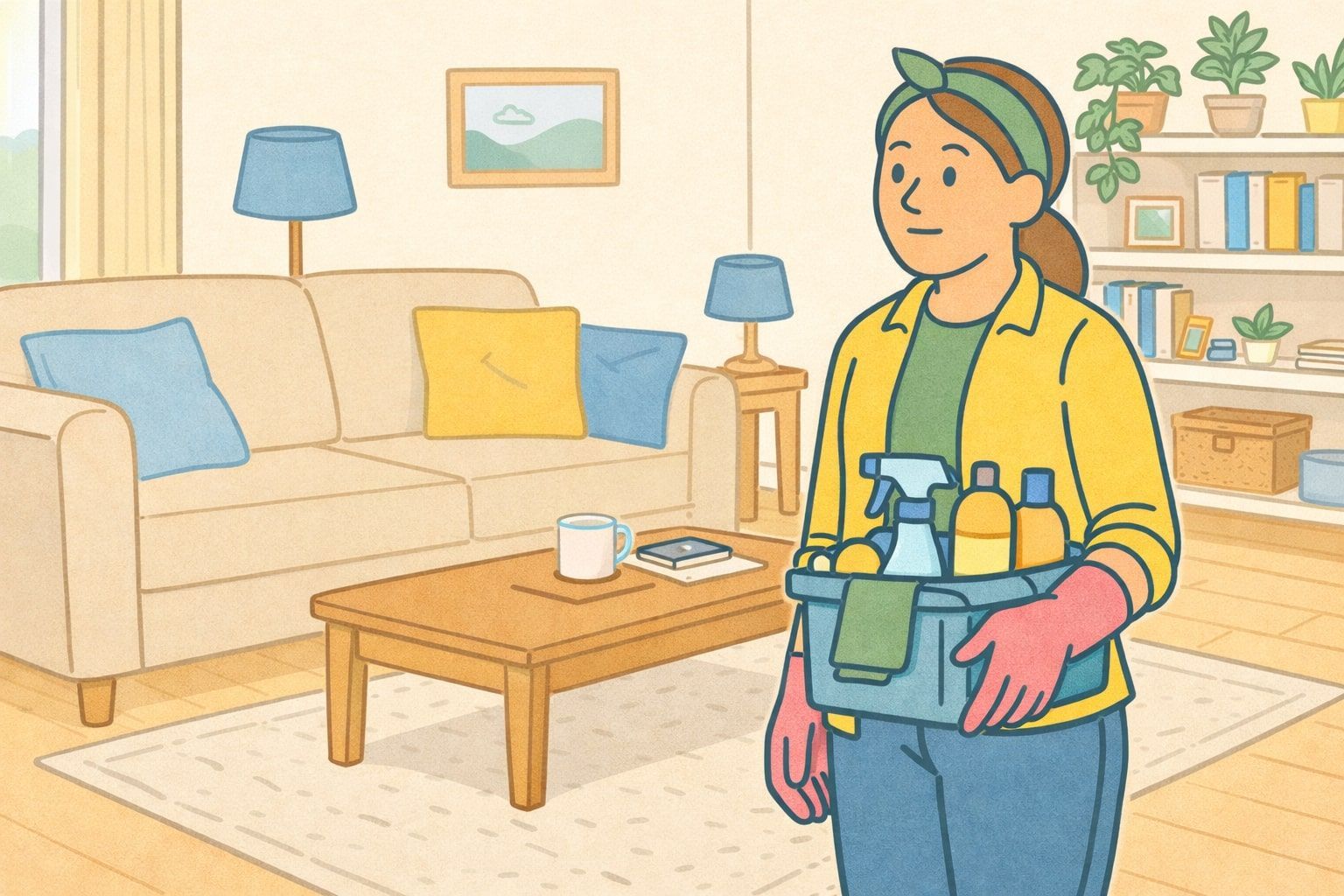
If you’ve ever requested quotes for domestic cleaning, you’ve probably noticed something confusing: prices can vary wildly. One cleaner might quote £14 per hour, another £22, and a third might give a fixed price that doesn’t clearly translate into an hourly rate at all.
For many UK homeowners, this raises an obvious question: why does cleaning cost so much more in some cases than others? Is one cleaner overpriced, or is the cheaper option cutting corners?
The truth is that cleaning prices vary for legitimate reasons. This guide breaks down the key factors that influence domestic cleaning costs in the UK, so you can compare quotes properly and make a confident, informed decision.
1. Location Plays a Bigger Role Than You Might Expect
Where you live has a significant impact on cleaning prices.
In general:
- London and the South East tend to have the highest rates
- Large cities often cost more than smaller towns
- Rural areas may appear cheaper but can include travel costs
Factors affecting regional pricing include:
- Higher living costs in certain areas
- Increased demand for cleaners
- Parking charges, congestion zones, and fuel expenses
- Travel time between jobs
A cleaner charging £20+ per hour in one part of the country may be earning a similar real income to someone charging £14–£16 elsewhere once costs are taken into account.
2. The Type of Cleaning Makes a Huge Difference
Not all cleaning services are the same, even if they sound similar.
Common domestic cleaning types include:
- Regular maintenance cleaning
- One-off or “catch-up” cleans
- Deep cleaning
- End of tenancy cleaning
- Post-renovation or builder’s cleans
A regular clean focuses on maintaining a reasonably tidy home. A deep or one-off clean often involves:
- Built-up grease and grime
- Limescale removal
- Intensive bathroom and kitchen work
- Longer time per room
Because of this, one-off and specialist cleans are almost always priced higher than ongoing domestic cleaning.
3. Size, Layout, and Condition of the Property
Two homes with the same number of bedrooms can take very different amounts of time to clean.
Pricing is influenced by:
- Number of bathrooms (often more important than bedrooms)
- Open-plan layouts vs smaller separate rooms
- Amount of clutter and furniture
- Pet hair, mud, and general wear
A well-maintained home that’s cleaned regularly may only need light surface cleaning, while another property may need significantly more time just to reach a baseline standard.
This is why some cleaners prefer to view a property or ask detailed questions before confirming a price.
4. Frequency: Why Regular Cleans Are Cheaper Per Visit
One of the biggest factors affecting cleaning costs is how often the cleaner visits.
Weekly and fortnightly cleans are usually cheaper per visit than monthly or one-off cleans because:
- Less dirt builds up between visits
- Tasks take less time overall
- The cleaner becomes familiar with the home
- There’s less “reset” work required
Many homeowners are surprised to learn that moving from monthly to fortnightly cleaning doesn’t double the cost, because the time required per visit often drops.
Understanding how often you should have your house cleaned can help explain why two households paying similar monthly amounts may receive very different levels of service.
5. Who Is Providing the Cleaning?
Prices also vary depending on whether the cleaner is:
- Self-employed
- Working independently
- Part of a cleaning company or agency
Some providers include additional costs in their pricing, such as:
- Insurance
- Background checks
- Administration and scheduling
- Replacement cover if a cleaner is unavailable
Independent cleaners may charge less, but they may also have less flexibility if they’re ill or on holiday. Neither option is inherently better; they’re simply priced differently.
6. Hourly Rates vs Fixed Prices
Cleaning quotes are commonly given in one of two ways:
- Hourly rates
- Fixed prices per visit
Hourly pricing can feel more transparent, but it isn’t always cheaper. A lower hourly rate may take longer to complete the same work, while a higher rate may reflect efficiency and experience.
Fixed prices are often used when:
- The scope of work is clear
- The cleaner knows roughly how long the job will take
- The homeowner wants cost certainty
Knowing how long domestic cleaning usually takes helps explain why fixed prices can sometimes be better value than hourly quotes.
7. What’s Included (and What Isn’t)
One major reason prices appear inconsistent is that quotes don’t always cover the same tasks.
Some services include:
- Cleaning products and equipment
- Kitchen appliances (externally)
- Light dusting and vacuuming
Others may exclude:
- Oven or fridge cleaning
- Inside windows
- Ironing or laundry
- Deep descaling
Before comparing prices, it’s important to check:
- What tasks are included
- What costs extra
- Whether supplies are provided
Two quotes with a £6 per hour difference may actually be offering very different levels of service.
8. Why Very Cheap Quotes Can Be a Warning Sign
While everyone wants good value, extremely low prices can sometimes indicate problems.
Potential issues with very cheap quotes include:
- Rushed or incomplete cleaning
- High staff turnover
- Inconsistent attendance
- Hidden charges added later
Sustainable pricing allows cleaners to:
- Spend adequate time on each home
- Stay in the role long-term
- Maintain quality standards
The cheapest option is not always the most cost-effective in the long run.
9. How to Compare Cleaning Quotes Fairly
To properly compare quotes, ask the same questions every time.
A simple checklist:
- Is the price hourly or fixed?
- How many hours are included?
- What tasks are covered?
- Are supplies included?
- Is the cleaner insured?
- What happens if the cleaner is unavailable?
Comparing like-for-like services makes price differences much easier to understand.
10. The Long-Term Cost Perspective
Many homeowners focus on the cost of a single visit rather than the overall value.
Regular cleaning can:
- Reduce deep cleaning costs
- Prevent heavy build-up
- Save time between visits
It’s worth considering whether weekly cleans are cheaper in the long run when factoring in efficiency, consistency, and reduced need for intensive one-off cleans.
11. What a “Fair” Cleaning Price Looks Like in the UK
There is no single “correct” price for domestic cleaning. A fair price depends on:
- Location
- Frequency
- Property condition
- Scope of work
A good quote should feel:
- Transparent
- Proportionate to the work involved
- Sustainable for the cleaner
- Clear about what’s included
If a price makes sense once all factors are considered, it’s probably reasonable.
Final Thoughts: Understanding the Price, Not Just the Number
Cleaning prices vary because homes, locations, and services vary. What looks expensive at first glance may reflect:
- More thorough work
- Better reliability
- Greater long-term value
Rather than focusing solely on the hourly rate, UK homeowners are best served by understanding what they’re actually paying for. When you compare cleaning quotes with clarity and context, the price differences usually start to make sense.
Author

Learn which tasks cleaners don’t typically do, why these limits exist, and how clear expectations help create a smoother, more stress-free cleaning experience.
Discover the key differences between end of tenancy cleaning and deep cleaning. Learn what each includes, when to book them, and how to choose the right service.
Unsure between a spring clean or a deep clean? This guide explains what each service includes, when they’re needed, and how to pick the best option for your home.
Discover what a professional deep clean includes with this UK-focused checklist. Room-by-room tasks, optional extras, and tips to prepare your home.
A simple UK guide explaining what a one-off clean includes, how it differs from regular cleaning, and when to book one for a quick home refresh.
Discover what a standard clean includes with this clear room-by-room guide. Learn typical tasks, what’s not included, and how standard cleaning works in UK homes.