
Discover the unparalleled quality and exceptional customer satisfaction that sets We Clean Homes apart on its journey to becoming the premier home cleaning service in the UK. Request a quote today and experience the difference Michael Shaw, the visionary founder and managing director, is making in redefining industry standards.
Are Weekly Cleans Cheaper in the Long Run?
Michael Shaw • December 24, 2025
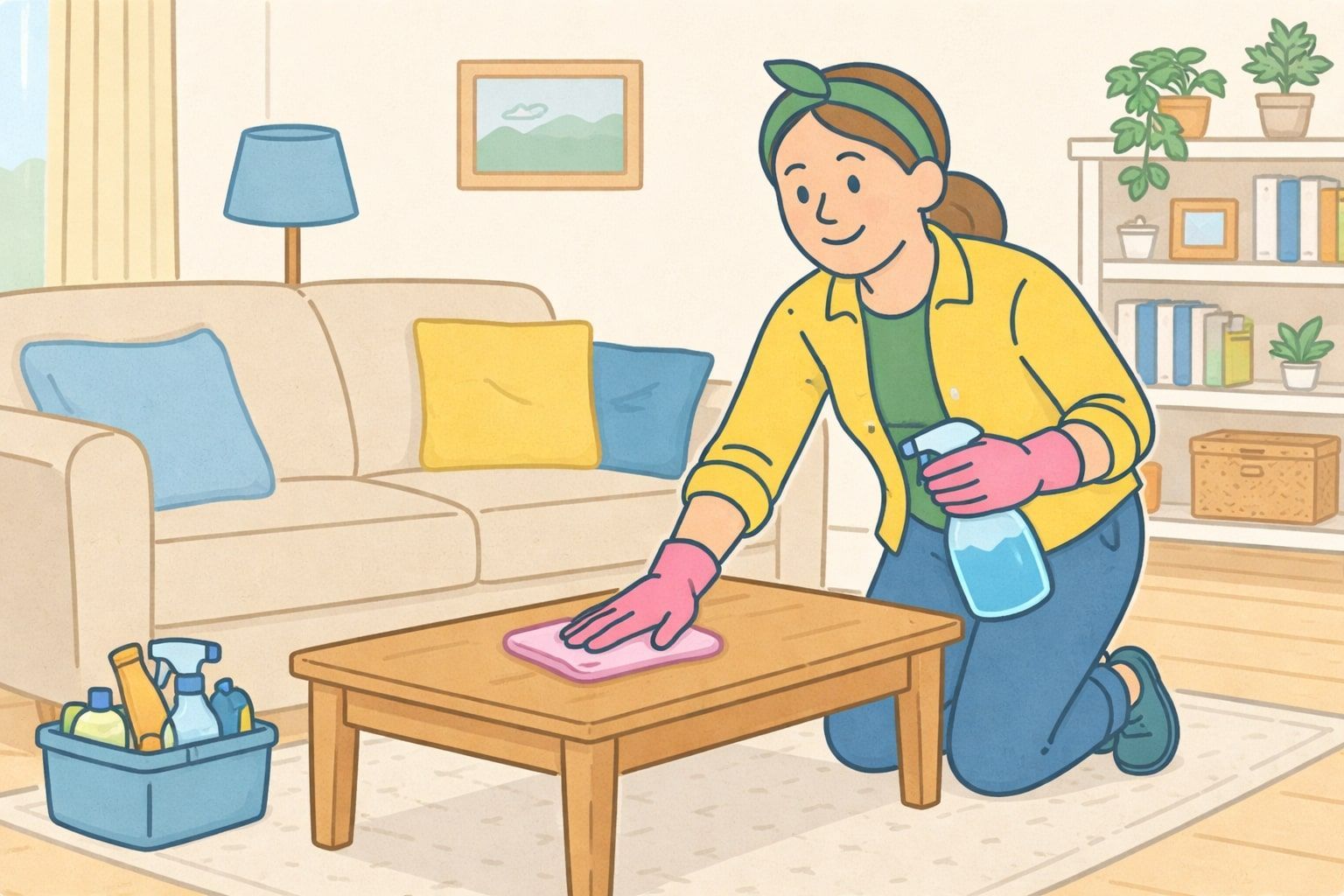
When it comes to hiring a professional cleaner, many homeowners assume that fewer visits automatically mean lower costs. On the surface, that makes sense: if someone comes less often, you pay less often. But when you look beyond the immediate invoice and consider time, effort, long-term maintenance, and wear and tear on your home, the picture becomes far more nuanced.
In reality, weekly cleaning can often be more cost-effective over time than fortnightly or occasional cleans. The key is understanding how cleaning frequency affects workload, efficiency, and the overall condition of your home.
Before deciding, it helps to step back and think about how often a house really needs professional cleaning, as the “cheapest” option isn’t always the one with the lowest upfront cost.
What Counts as a Weekly Clean?
A weekly clean is a regular, scheduled visit designed to maintain cleanliness rather than restore it. The focus is on keeping on top of everyday dirt and mess so that nothing ever gets the chance to build up.
Typical weekly cleaning tasks include:
- Vacuuming and mopping floors
- Wiping kitchen surfaces and appliance fronts
- Cleaning bathrooms (toilets, sinks, showers, mirrors)
- Dusting visible surfaces
- Emptying bins and general tidying
Because these tasks are carried out every week, they usually take less time than the same job done fortnightly or monthly.
By contrast, infrequent cleans often involve:
- Heavier grime and grease
- Limescale build-up in bathrooms
- Stubborn dirt in kitchens
- More intensive floor cleaning
This difference in workload plays a major role in long-term cost.
Hourly Rates vs Overall Spend
Many cleaning services charge by the hour, which leads homeowners to focus heavily on hourly rates. While hourly pricing matters, it’s only one part of the equation.
The number of hours required per visit is just as important.
In a well-maintained home:
- Surfaces are already clean
- Dirt hasn’t had time to harden or stain
- Bathrooms and kitchens need less scrubbing
- Floors don’t require intensive treatment
As a result, weekly cleans often take fewer hours per visit than less frequent cleans. If you want a clearer picture of how long domestic cleaning usually takes, you’ll find that regular visits can be surprisingly efficient once a routine is established.
Over time, this can mean:
- Lower total hours per month
- More predictable costs
- Less need for occasional long, expensive sessions
Infrequent cleans may seem cheaper at first, but they often require extra time just to bring the home back up to standard.
The Hidden Costs of Infrequent Cleaning
When cleaning is left too long, the cost isn’t always obvious straight away. However, it often shows up in subtle (and not-so-subtle) ways.
Common hidden costs include:
- Longer cleaning sessions to deal with built-up dirt
- Occasional deep cleans, which are usually more expensive
- Increased wear on carpets, flooring, and surfaces
- Shorter lifespan for bathrooms and kitchens due to grime and limescale
For example:
- Limescale left to build up is harder (and slower) to remove
- Grease in kitchens becomes sticky and stubborn
- Carpets trap dirt deeper into fibres over time
All of this adds to cleaning time — and cost — in the long run.
Time Is Money (Even If You Don’t Put a Price on It)
Cost isn’t just about what you pay a cleaner. It’s also about how much time you spend cleaning yourself between visits.
With infrequent professional cleaning, many homeowners find they:
- Do more “in-between” cleaning
- Spend evenings or weekends catching up
- Feel pressure to keep things presentable
Weekly cleaning can reduce:
- The need for emergency tidying
- Stress around unexpected visitors
- The mental load of managing household chores
While these savings don’t appear on an invoice, they matter just as much when deciding whether something is truly cost-effective.
Cleaner Consistency Makes a Difference
One often-overlooked factor is consistency. When the same cleaner visits regularly, they:
- Learn the layout of the home
- Understand priorities and preferences
- Work more efficiently each visit
- Maintain higher standards with less effort
Infrequent cleans often feel like starting from scratch, whereas weekly visits benefit from routine and familiarity.
This consistency contributes to:
- Better results in less time
- Fewer missed areas
- A home that stays consistently clean rather than cycling between “acceptable” and “overdue”
Weekly vs Fortnightly: A Cost Comparison
This is where many homeowners pause and reassess. On paper, fortnightly cleaning looks cheaper — half the visits, half the cost. In practice, it’s rarely that simple.
When comparing weekly versus fortnightly home cleaning, the key differences often look like this:
Weekly cleaning:
- Fewer hours per visit
- Less intensive work
- Lower chance of needing deep cleans
- More stable monthly costs
Fortnightly cleaning:
- Longer visits
- Heavier dirt build-up
- More scrubbing and detail work
- Higher cost per visit
Over several months, the total spend can be surprisingly similar — and in some cases, weekly cleaning works out cheaper once additional hours and occasional extras are factored in.
Who Benefits Most from Weekly Cleans?
Weekly cleaning isn’t necessary for everyone, but certain households tend to see the greatest long-term value.
You may benefit most if:
- You have children or pets
- Multiple people live in the home
- You work long or irregular hours
- Your home gets heavy daily use
- You want to avoid deep cleans altogether
Homes with higher foot traffic naturally accumulate dirt faster, making regular maintenance more cost-effective.
When Weekly Cleans Might Not Be the Cheapest Option
To be fair, weekly cleaning isn’t always the right choice.
It may not be necessary if:
- You live alone
- You’re rarely at home
- Your property is small and low-traffic
- You already clean thoroughly yourself
In these cases, fortnightly cleaning or occasional professional support may be sufficient without increasing long-term costs.
The goal isn’t to clean more than you need — it’s to clean often enough to avoid unnecessary expense later.
A Simple Checklist to Decide What’s Right for You
Ask yourself:
- Does my home get messy quickly?
- Am I regularly cleaning between professional visits?
- Do cleans take longer than expected each time?
- Have I needed deep cleans in the past?
- Do I want consistency or flexibility?
If you answered “yes” to several of these, weekly cleaning may well be the more economical option over time.
Final Verdict: Are Weekly Cleans Cheaper in the Long Run?
In many cases, yes — weekly cleans can be cheaper in the long run, even if they appear more expensive upfront.
The reasons are simple:
- Less time needed per visit
- Fewer deep cleans required
- Reduced wear on surfaces and furnishings
- Lower stress and time investment for homeowners
That said, the best option depends on your household, lifestyle, and expectations. The real savings come from choosing a cleaning schedule that prevents problems rather than reacting to them.
When cleaning is treated as regular maintenance rather than a periodic reset, costs tend to stay lower — and homes stay cleaner — over time.
Author


Learn which tasks cleaners don’t typically do, why these limits exist, and how clear expectations help create a smoother, more stress-free cleaning experience.

Discover the key differences between end of tenancy cleaning and deep cleaning. Learn what each includes, when to book them, and how to choose the right service.
Unsure between a spring clean or a deep clean? This guide explains what each service includes, when they’re needed, and how to pick the best option for your home.
Discover what a professional deep clean includes with this UK-focused checklist. Room-by-room tasks, optional extras, and tips to prepare your home.

A simple UK guide explaining what a one-off clean includes, how it differs from regular cleaning, and when to book one for a quick home refresh.

Discover what a standard clean includes with this clear room-by-room guide. Learn typical tasks, what’s not included, and how standard cleaning works in UK homes.