
Discover the unparalleled quality and exceptional customer satisfaction that sets We Clean Homes apart on its journey to becoming the premier home cleaning service in the UK. Request a quote today and experience the difference Michael Shaw, the visionary founder and managing director, is making in redefining industry standards.
What Happens on the Cleaner’s First Visit? Step-by-Step Walkthrough
Michael Shaw • November 11, 2025
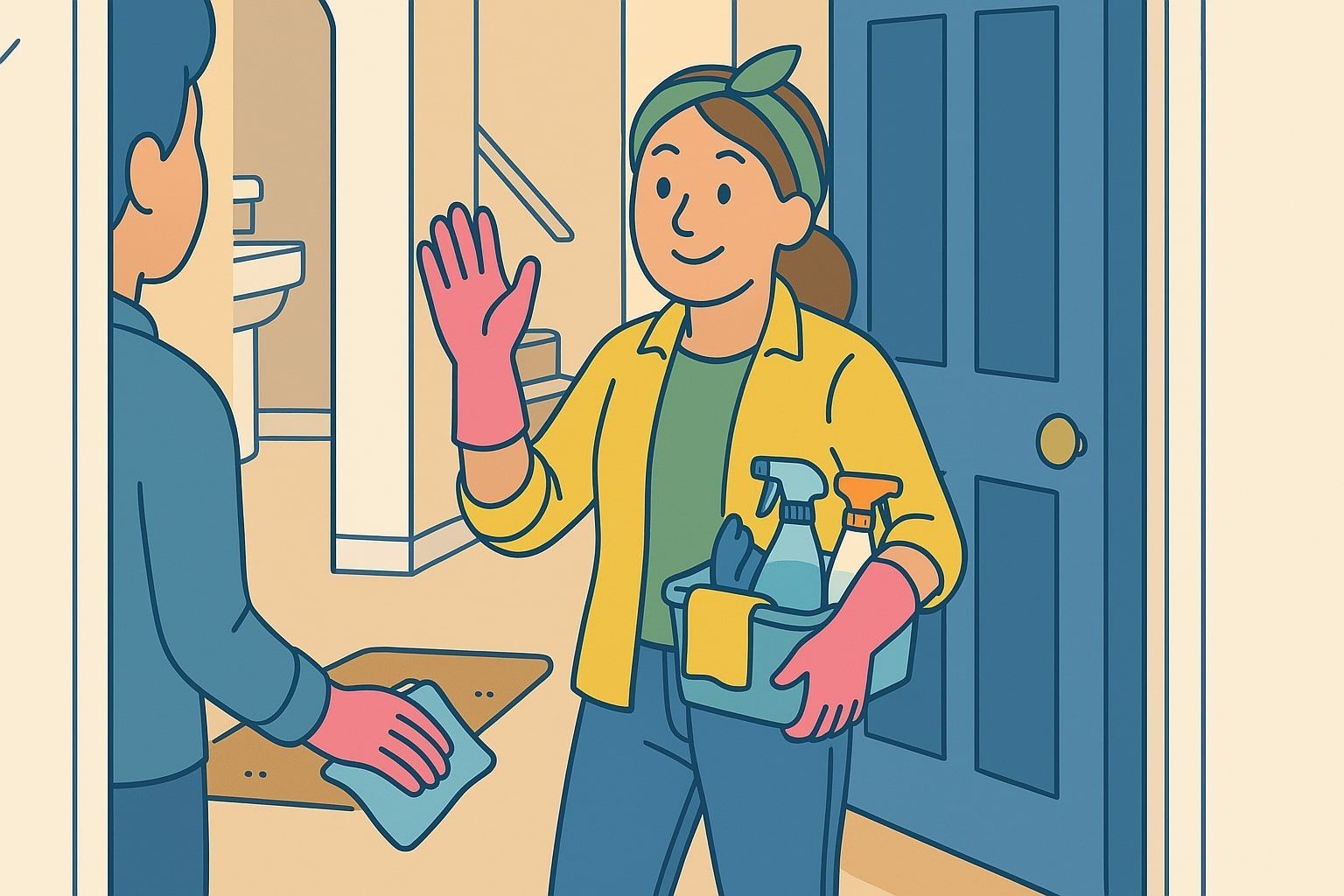
Hiring a cleaner for the first time can feel like a big moment. You’re inviting someone into your personal space, trusting them with your home, and hoping everything goes smoothly. Feeling unsure is completely normal. The good news is that the process is usually far more straightforward than people expect, especially once you understand what to expect from a professional cleaner and how the first visit typically works.
This guide takes you through each stage of that initial appointment—from the preparations you can make beforehand, to the walkthrough, the cleaning routine, communication tips, and what happens at the end. It is designed for readers in the UK but remains useful for anyone wanting a clear, practical explanation of the process.
Before the Cleaner Arrives
Most cleaners or cleaning services will confirm the key details ahead of time, such as:
- Arrival time
- Estimated duration
- Type of clean booked (regular clean, deep clean, end of tenancy, etc.)
- Any special requests or priorities
A reminder message the day before is common and helps avoid misunderstandings.
Information You May Be Asked to Provide
You might be asked about:
- How the cleaner will access your home
- Whether parking is available
- Whether you have pets, and if any areas are off-limits
- Surfaces that require specific cleaning products
- Any allergies or sensitivities
Sharing this information early helps your cleaner plan properly and reduces any delay on arrival.
Should You Tidy Up Beforehand?
Many people wonder how much preparation they should do. Some light cleaning prep advice goes a long way—basic decluttering helps the cleaner focus on actual cleaning rather than trying to move around unnecessary items. There’s no need for a deep clean; simply making surfaces easier to reach is enough.
A quick checklist can help:
Pre-Visit Checklist
- Put away clothes, toys, or loose items
- Clear dishes if you’d rather they aren’t handled
- Secure delicate or valuable items
- Make sure the cleaner knows where supplies are kept (if using your own)
Securing valuables isn’t about mistrust—it simply prevents fragile or important items from being accidentally knocked or misplaced.
The Arrival: First Impressions and Introductions
Cleaners generally arrive within the agreed time window and begin with a polite introduction. Styles vary—some are formal and straight to business; others are warm and conversational. Both are normal.
This first chat is usually brief but important. You may:
- Confirm the plan for the visit
- Reiterate any key priorities
- Clarify anything from your original notes
- Mention household norms (e.g., “We remove shoes indoors”)
Clear, friendly communication at the start sets a positive tone for the whole appointment.
Why Cleaners Do a Walkthrough
A walkthrough is standard during the first visit, typically lasting 3–5 minutes. It allows the cleaner to:
- Understand the layout of your home
- Identify rooms requiring special attention
- Note any delicate surfaces or areas to treat carefully
- Discuss what is realistic within the booked time
You can also highlight rooms you want them to prioritise, as well as spaces you prefer to keep private.
Setting Expectations for the First Visit
Your first cleaning session may take slightly longer than future ones because the cleaner is learning your home. Most people focus on core areas such as:
- Bathrooms
- Kitchen
- High-traffic rooms
- Floors
Tasks That May Need More Time
Some jobs are more time-consuming than people realise. Examples include:
- Heavy limescale removal
- Deep oven cleaning
- Deep cleaning neglected areas
- Tackling built-up grease or soap scum
If needed, your cleaner may suggest booking an additional session or allocating extra time. Being honest about the current condition of your home ensures expectations stay realistic and prevents disappointment.
Should You Stay Home or Go Out?
Many people wonder whether they should remain in the property or leave during the appointment. There’s no right or wrong choice—staying in or heading out depends on your comfort level and schedule.
Common approaches include:
- Staying for the first 10 minutes, then heading out
- Remaining in a separate room to give the cleaner space
- Leaving entirely once trust has been established
If you do leave, ensure the cleaner can contact you in case something unexpected comes up.
What Happens During the Cleaning Process?
Once priorities are agreed and the walkthrough is done, the cleaner begins working. Although each cleaner has their own style, most follow a systematic room-by-room routine to maintain efficiency.
Typical Order of Tasks
1. Setup
- Gathering cleaning products and equipment
- Locating bins, cloth storage, or any preferred supplies
2. Bathrooms
- Descaling taps
- Cleaning sinks and countertops
- Scrubbing toilets and showers
- Wiping tiles
- Polishing mirrors
3. Kitchen
- Wiping surfaces and cupboard fronts
- Cleaning the hob and sink
- Tidying accessible surfaces if agreed
- Wiping appliances (exterior unless otherwise arranged)
4. Living Areas & Bedrooms
- Dusting
- Wiping reachable surfaces
- Light tidying (if discussed in advance)
- Changing bedding if requested
5. Floors
- Vacuuming throughout
- Mopping hard floors
6. Optional Extras
These usually require extra time and must be specifically booked, such as:
- Oven cleaning
- Fridge interior
- Inside windows
- Deep cleaning tasks
Cleaners generally move light items to clean underneath but avoid handling fragile objects unless you ask them to.
Communication During the Appointment
Good communication helps build trust. During the first visit, your cleaner might:
- Ask where certain products are stored
- Confirm whether a surface requires a special product
- Double-check how you prefer something to be handled
- Clarify priorities if time is limited
You’re free to check in occasionally, though most cleaners appreciate being allowed to work uninterrupted.
Over time, communication becomes easier because the cleaner learns your preferences and household routines.
After the Cleaning Is Complete
When the cleaning session is finished, the cleaner will:
- Gather and organise their supplies
- Empty vacuum containers if they used your machine
- Leave the home tidy
- Do a quick check to ensure nothing obvious was missed
Should You Do a Walkthrough?
Many homeowners like to walk through with the cleaner to:
- Confirm satisfaction
- Ask questions
- Mention anything needing attention next time
Others prefer to check after the cleaner has left and send feedback later. Both are perfectly acceptable.
Honest, polite feedback helps your cleaner improve and ensures the next visit is even more aligned with your expectations.
Payment and Tipping
Payment practices vary. Common methods include:
- Bank transfer
- Cash
- Card (if using a service)
- App-based payments
If you’re unsure, ask at the start of the visit to avoid awkwardness later.
Tipping is not expected in most parts of the UK but is always appreciated. If you choose to tip, it’s generally based on:
- Quality of service
- Time taken
- Extra effort
What Future Visits Will Look Like
Future appointments tend to be quicker and more consistent. Your cleaner learns:
- The layout of your home
- Which products you prefer
- Your cleaning priorities
- Any sensitivities or household habits
Once a rhythm develops—usually after two or three visits—results become predictable and efficient. You can also adjust tasks as your needs change.
Final Thoughts
A cleaner’s first visit is designed to help both parties feel comfortable, organised, and aligned. With clear communication, realistic expectations, and a simple walkthrough, the process becomes smooth and stress-free.
By the end of the first appointment, most people feel far more confident about ongoing cleaning arrangements. The first visit builds trust. Each visit after that builds consistency—and ultimately, a cleaner and more comfortable home.
Author

Learn which tasks cleaners don’t typically do, why these limits exist, and how clear expectations help create a smoother, more stress-free cleaning experience.
Discover the key differences between end of tenancy cleaning and deep cleaning. Learn what each includes, when to book them, and how to choose the right service.
Unsure between a spring clean or a deep clean? This guide explains what each service includes, when they’re needed, and how to pick the best option for your home.
Discover what a professional deep clean includes with this UK-focused checklist. Room-by-room tasks, optional extras, and tips to prepare your home.
A simple UK guide explaining what a one-off clean includes, how it differs from regular cleaning, and when to book one for a quick home refresh.
Discover what a standard clean includes with this clear room-by-room guide. Learn typical tasks, what’s not included, and how standard cleaning works in UK homes.