
Discover the unparalleled quality and exceptional customer satisfaction that sets We Clean Homes apart on its journey to becoming the premier home cleaning service in the UK. Request a quote today and experience the difference Michael Shaw, the visionary founder and managing director, is making in redefining industry standards.
How to Start Streamlining Your House Cleaning Routine
Michael Shaw • December 13, 2022

Keeping a tidy home doesn’t need to feel like an endless cycle of scrubbing, wiping, and chasing after dust. With a bit of structure and a few practical strategies, you can create a house-cleaning routine that saves time, reduces effort, and genuinely fits your lifestyle. Whether you’re juggling work, family life, or simply prefer a more organised approach, a streamlined routine can make a noticeable difference in your home and your mindset.
Below, you'll find a detailed guide to transforming your cleaning habits into a smoother, more manageable system—one that keeps your home fresh without the stress. Throughout the process, you’ll discover simple planning methods, daily habits, and clever tricks that make everything more efficient. You might even find that using helpful cleaning lists can keep you focused and consistent in the long run.
Why Streamlining Your Routine Matters
A well-structured cleaning routine allows you to:
- Save time by following a predictable pattern
- Spread tasks evenly throughout the week
- Prevent overwhelming build-ups of mess
- Make cleaning feel less like a chore
- Maintain a consistently comfortable home environment
A streamlined approach is not about perfection—it’s about making life easier. Even implementing a few quick cleaning hacks can shave precious minutes off your tasks and help you maintain a tidy space with minimal effort.
Step 1: Define Your Cleaning Goals
Before diving into the "how," clarify the "why." What do you want your cleaning routine to achieve?
Think about:
- Daily upkeep – Do you want a home that feels tidy every day?
- Weekly refresh – Would you rather do a deeper, more thorough clean at set intervals?
- Seasonal deep cleans – Are there tasks (like clearing cupboards or washing skirting boards) that only need doing occasionally?
Setting clear expectations helps focus your efforts and prevents wasted time. Your goals will shape your schedule, your priorities, and your habits.
Checklist: Define Your Goals
- I know how often I want to clean
- I know which rooms need the most regular attention
- I’ve set realistic standards I can maintain
Step 2: Prepare Your Cleaning Supplies Properly
There’s nothing worse than gearing up to clean, only to discover you’ve run out of cleaner or your vacuum bags are full. Stocking up on decent supplies in advance keeps your routine flowing and removes unnecessary frustration.
What to stock:
- Multi-surface cleaner
- Glass cleaner
- A good hoover with attachments
- Microfibre cloths
- A quality mop and bucket
- Sponges and scrub pads
- Limescale remover
- Bathroom and kitchen sprays
Good-quality products often work faster and more effectively, saving time in the long run.
Pro tip: Keep your most-used items together in a portable caddy so you can move from room to room easily.
Step 3: Break Tasks Into Manageable Chunks
One of the biggest causes of cleaning procrastination is feeling overwhelmed. A big job—cleaning the kitchen, the bathroom, or the entire house—can seem like too much to tackle at once. Breaking tasks down makes them far less daunting.
Examples of breaking tasks down:
Instead of “clean the kitchen”, break it into:
- Wipe counters
- Clean hob
- Clear fridge door shelves
- Sweep and mop floors
Instead of “clean the bathroom”, break it into:
- Scrub sink
- Wipe mirrors
- Clean toilet
- Rinse shower screen
Completing small tasks creates a sense of progress that keeps you motivated and prevents burnout.
Step 4: Prioritise the Areas That Matter Most
Not every cleaning job needs to happen all the time. Identify your high-priority spaces—usually the kitchen, bathroom, and high-traffic areas—and focus on these first. If you run out of time, at least the spaces you use most will still feel fresh.
Prioritisation examples:
- Daily: Dishes, quick wipe of kitchen surfaces, bathroom sink
- Weekly: Floors, dusting, full bathroom clean
- Monthly: Inside appliances, furniture care, windows
- Seasonally: Decluttering, carpets, deep fridge clean
This structured approach keeps your routine flexible yet effective.
Step 5: Delegate Tasks When You Can
If you share your home with others, cleaning shouldn’t fall entirely on one person. Delegating helps spread the workload and teaches everyone to take responsibility for the space they live in.
Ideas for balanced household cleaning:
- Children can tidy toys, wipe surfaces, or sort laundry
- Teens can hoover, mop, and clean their own bedrooms
- Other adults can help with bathrooms, bins, or shared areas
A weekly check-in or quick household meeting ensures everyone stays on track and encourages a cooperative atmosphere.
Step 6: Keep an Organised Cleaning Schedule
A schedule doesn’t have to be rigid or complicated—it just needs to work for you. A structured plan provides consistency and prevents last-minute rushes before guests arrive.
Example weekly schedule:
- Monday: Dust living areas
- Tuesday: Clean bathroom
- Wednesday: Hoover main rooms
- Thursday: Kitchen deep clean
- Friday: Change bedding
- Weekend: Light tidy and optional tasks
Even small routines like making the bed each morning or wiping the bathroom sink after use can dramatically reduce cleaning stress.
Step 7: Set Simple Ground Rules
A few clear household rules go a long way in reducing the need for major clean-ups. These don’t need to be strict—just consistent.
Helpful ground rules:
- Shoes off at the door
- Wipe kitchen spills immediately
- Put items back where they belong
- Clean as you cook whenever possible
- Rinse shower after use to reduce soap scum
Little habits add up and reduce time spent on bigger jobs later.
Step 8: Be Consistent
The most effective cleaning routine is the one you stick to. Consistency prevents clutter, stops jobs from escalating, and makes each clean quicker than the last.
Tips for staying consistent:
- Pair cleaning with something enjoyable like music or a podcast
- Do a 10-minute tidy before bed
- Keep cleaning tools accessible
- Follow your schedule whenever possible
Even a small effort each day keeps your home manageable and tidy.
Step 9: Reward Yourself
Cleaning isn’t glamorous, so acknowledge your hard work. Rewards create positive reinforcement and make you more likely to maintain your routine.
Reward ideas:
- A relaxing bath
- A favourite snack
- A short break with a cuppa
- Watching an episode of your favourite series
You deserve it!
Final Thoughts
Streamlining your cleaning routine is all about developing habits that work for you. With a bit of structure, clarity, and consistency, cleaning becomes far easier to manage. You may find that implementing strategies designed to reduce cleaning stress helps you view the process more positively and stay motivated long-term.
Whether you enjoy working from quick cleaning hacks or take a more methodical approach, a smoother routine can transform how your home looks and feels. Start small, keep going, and remember that every little effort contributes to a cleaner, calmer living space.
Author

Learn which tasks cleaners don’t typically do, why these limits exist, and how clear expectations help create a smoother, more stress-free cleaning experience.
Discover the key differences between end of tenancy cleaning and deep cleaning. Learn what each includes, when to book them, and how to choose the right service.
Unsure between a spring clean or a deep clean? This guide explains what each service includes, when they’re needed, and how to pick the best option for your home.
Discover what a professional deep clean includes with this UK-focused checklist. Room-by-room tasks, optional extras, and tips to prepare your home.
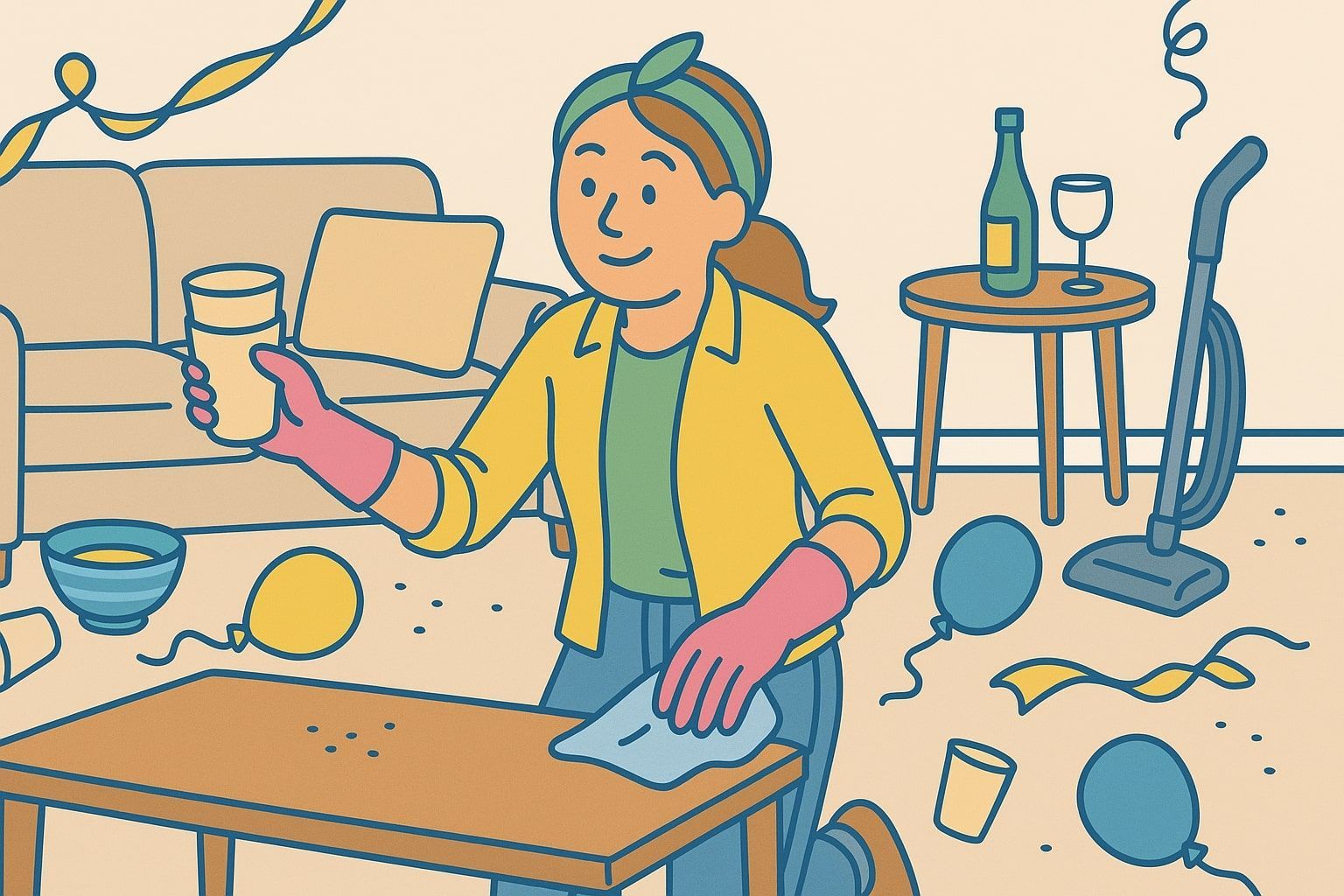
A simple UK guide explaining what a one-off clean includes, how it differs from regular cleaning, and when to book one for a quick home refresh.
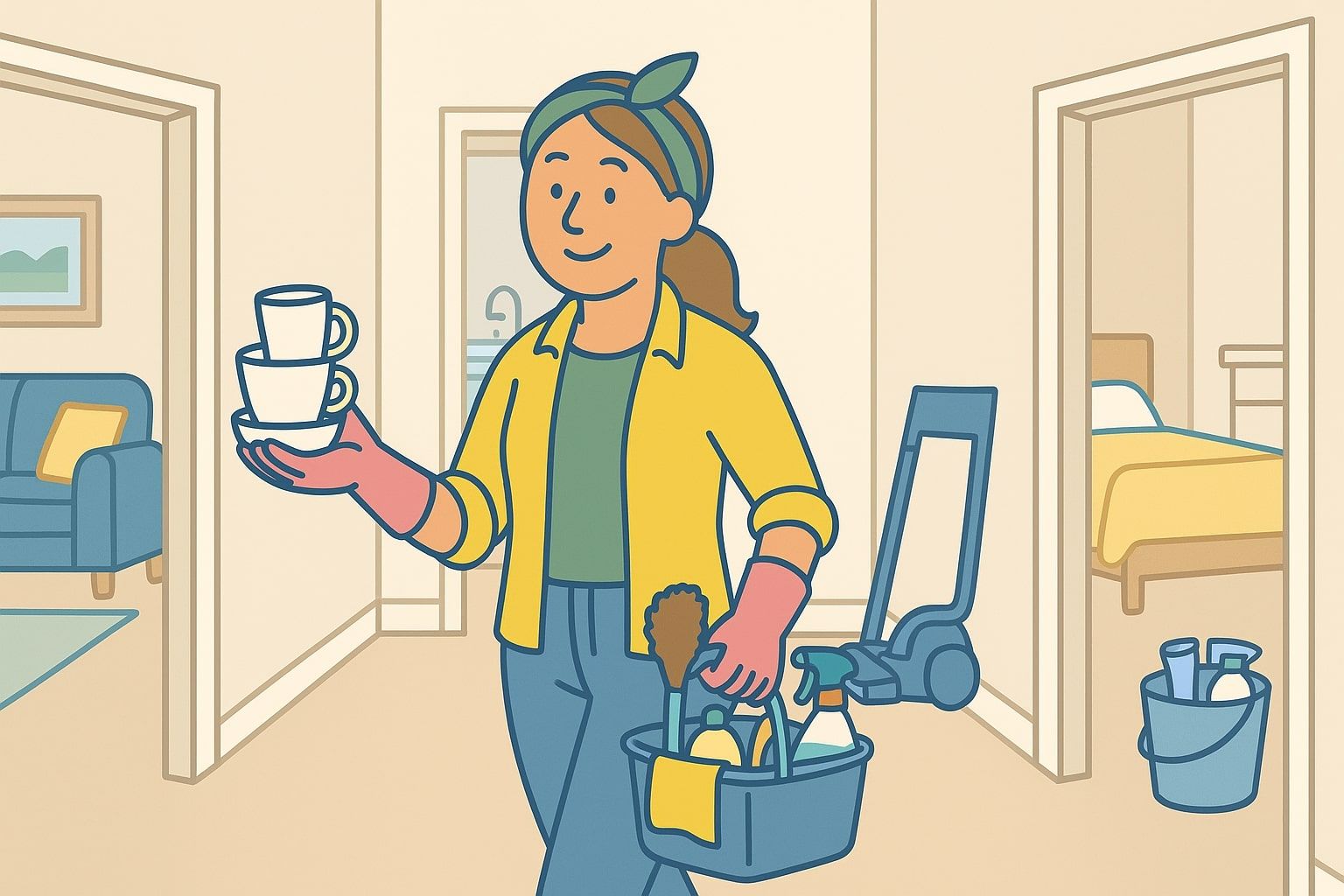
Discover what a standard clean includes with this clear room-by-room guide. Learn typical tasks, what’s not included, and how standard cleaning works in UK homes.